Are Grip Socks Banned in Football? Regulations & Rules
Grip Socks in Football: Performance Benefits and What the Rules Actually Say
Grip socks are now a familiar part of modern football kit, especially for players who rely on quick cuts, rapid accelerations, and sharp decelerations. The idea is simple: reduce foot slippage inside the boot so you can feel more stable and connected to the ground. But as grip socks have become more visible across all levels of the game, one question keeps coming up in locker rooms and team chats.
Are grip socks banned, or are they just “one of those things” that sometimes gets flagged by officials? The answer is usually reassuring: grip socks themselves are generally allowed, but the way they are worn can create uniform and equipment compliance issues. This post breaks down why that happens and how players and teams can get the performance benefits without risking a pre-match problem.
Why footballers wear grip socks in the first place
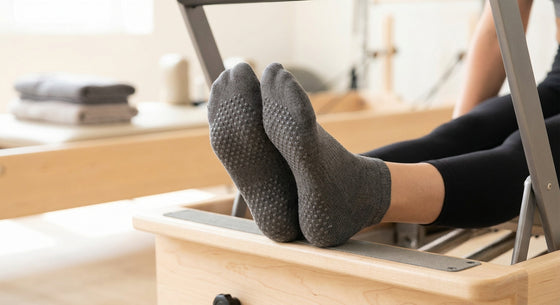
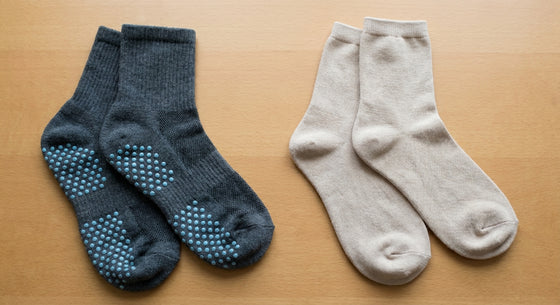
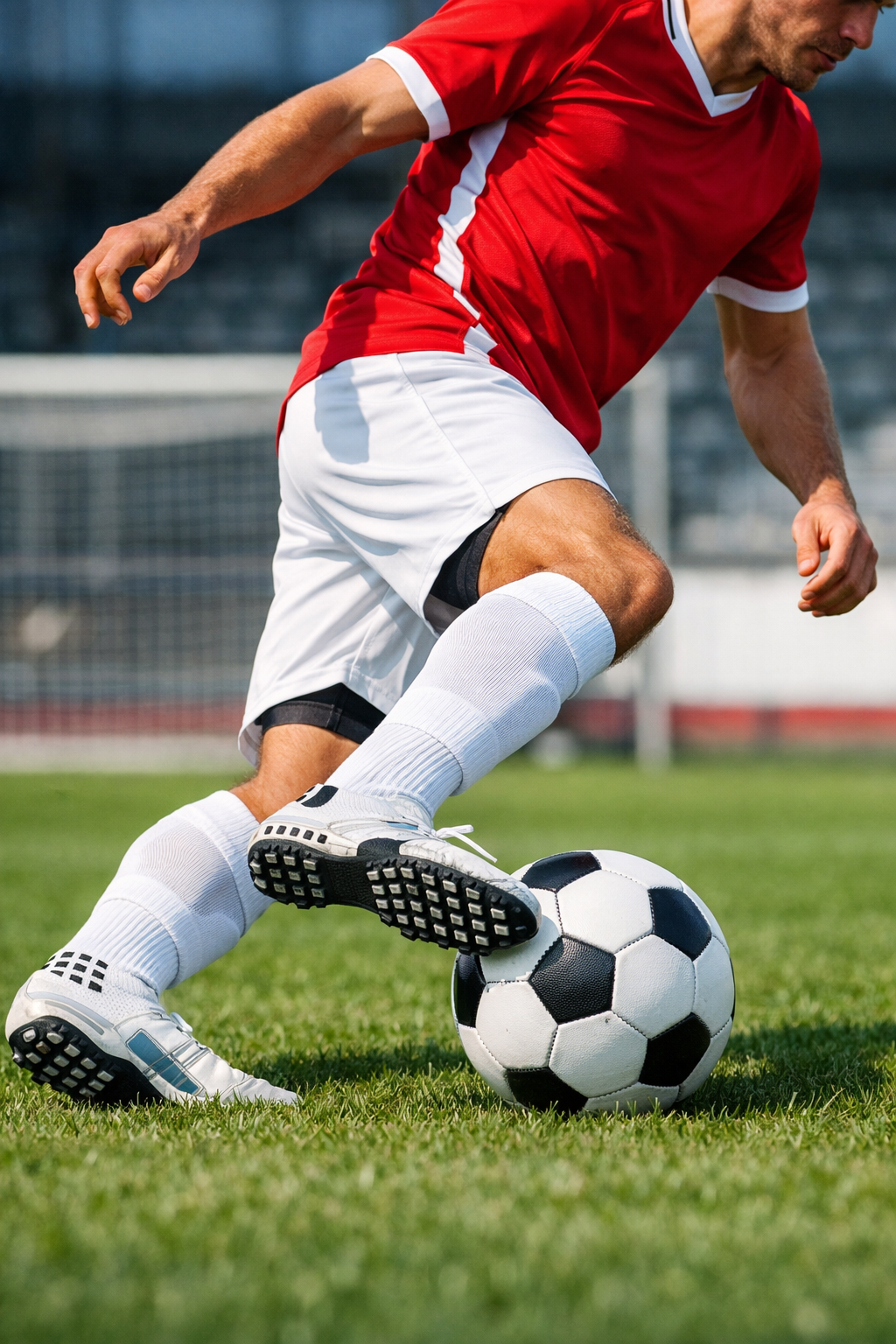
From a performance standpoint, grip socks aim to increase friction between your foot and the inside of the boot. That friction can reduce micro-slips during change-of-direction actions, which may improve the feeling of “lock-in” when planting or pushing off. For many athletes, the biggest perceived difference is confidence in the boot during aggressive movement.
Comfort is another driver. Less internal slipping can mean fewer hotspots and less rubbing over long matches, particularly when boots get damp. While grip socks are not a magic fix for poor boot fit, they can be a useful piece of a larger system that includes sizing, lacing, and sock thickness.
In sports science terms, the goal is to improve the continuity of force transfer. When your foot slides inside the boot, energy can be lost and your body may need extra stabilizing effort. Anything that helps reduce that internal movement can feel like it makes your actions more precise and repeatable.
Are grip socks banned in football
In most competitions, grip socks are not universally banned. The grip elements themselves are rarely the central issue. Instead, the problem usually shows up when grip socks affect uniform appearance, when official socks are cut or altered, or when an inner sock becomes the visible “outer” layer.
Most governing bodies and leagues care about consistent team kit and safe equipment. That means officials are typically looking for correct sock color, correct look for the registered kit, and no unauthorized external items that create mismatches. If your grip sock setup creates a visible contrast, logos, or patterns that do not match the official team sock, you may be asked to change before kickoff.
Rules vary by league and organizer, so “allowed” in one setting may be questioned in another. If you play across multiple competitions (league, cup, tournaments), expect stricter enforcement in events with more standardized kit policies.
What officials usually care about: uniform compliance, not traction
Most matchday conflicts happen because of how grip socks are worn, not because they exist. A common setup is a separate grip “inner sock” worn under a team sock that has been cut or modified so the grip layer is visible. That visible layer can trigger a kit violation, especially if the outer sock no longer matches the team’s registered appearance.
Some competitions explicitly prohibit altering kit items, including cutting socks or changing how they are worn. Others focus on the final appearance: if the sock on the outside looks correct, they are satisfied. Because enforcement can depend on the referee and competition guidance, it is smart to treat uniformity as the priority, then build your grip solution around it.
Common reasons players get flagged
- Visible sock color mismatch compared with the official team sock
- Modified or cut team socks that no longer meet kit requirements
- Large visible logos or patterns not permitted by competition rules
- External tape or accessories that create an inconsistent look across the team
- Confusion over what counts as the “official sock” on matchday
How rules differ across levels of play
Professional environments tend to be more detailed about kit registration, uniformity, and permitted modifications. Clubs often have an equipment manager who standardizes solutions and prevents last-minute surprises. If you are in a structured league, assume sock rules may be specific even if they are not frequently enforced.
Youth and amateur competitions often work from broader guidance, but enforcement can vary widely. One referee may overlook a minor mismatch while another may require a change immediately. Tournament play can be strict because organizers want consistent presentation across teams and may brief officials to enforce equipment rules closely.
The safest approach is to read your league’s written policies and ask a direct question when needed. Many leagues publish regulations or equipment notes online, or they reference broader laws of the game. For general orientation, you can review the IFAB Laws of the Game section on player equipment to understand the baseline framework, then confirm how your competition interprets it.
Practical ways to stay compliant and still get the benefits
If you want traction benefits without risking a kit dispute, aim for a setup that preserves the official look. As a rule of thumb, the visible sock should match your team’s required color and style. Build your grip system underneath or within the allowed appearance guidelines, rather than forcing the kit to adapt to the sock.
A simple checklist for athletes
- Confirm what your competition defines as the official match sock (color, length, design).
- Choose grip socks or under-socks that do not create a visible mismatch when you are fully kitted.
- Avoid cutting or altering team socks unless you have written approval from the league or club.
- Test the full setup in training to check for bunching, pressure points, and heel slip.
- Pack a spare compliant pair for away days and tournaments.
For teams, consistency solves most problems. Agree on one compliant approach across the squad so the group looks uniform and so officials see a standard setup rather than individual improvisation. Some teams solve this by using compliant outer socks over a grip layer, while others select grip options that already match required colors.
If your team is exploring custom solutions, it is worth aligning sock design with competition rules from day one. This is where a provider such as Nextwave Socks can be part of the conversation, not as a shortcut around regulations, but as a way to keep performance goals aligned with uniform standards.
Key takeaway: Grip socks are typically allowed, but visible uniform compliance matters. If your setup changes the look of the official kit, expect questions from officials.
Performance notes: make grip part of a complete footwear system
Grip socks can help, but they work best when the rest of the system is right. Boot fit is still the foundation: the heel should feel stable, the midfoot should be secure, and toe room should be appropriate for your foot shape. If the boot is too large or too narrow, grip can sometimes increase friction in a way that highlights pressure spots.
Also consider sock thickness and moisture. Thicker socks can change how the boot fits, and sweat or wet conditions can affect internal movement. Testing in training under match-like intensity is the best way to confirm you are gaining stability without trading it for discomfort.
Conclusion: allowed does not mean anything goes
So, are grip socks banned in football? Most of the time, no. The more accurate answer is that grip socks are generally permitted, but the way you wear them must fit within uniform and equipment rules around color, visibility, and kit alteration.
If you are a player, prioritize a setup that keeps the visible sock compliant and feels reliable at full speed. If you are a team, standardize the approach, confirm league expectations, and keep spares on hand for travel and tournaments. Share your experiences or questions in the comments, and if you are exploring compliant options, you can learn more at are grip socks banned in football.
Grip that’s scientifically proven.
Join 23,197+ athletes. Free worldwide shipping, up to 44% off the latest drop.
Shop grip socks →