Best Grip Socks for Athletes 2024: Top Picks
Performance Grip Socks in 2024: How to Choose for Stability, Comfort, and Durability
Grip socks have moved from “nice-to-have” to standard kit for many athletes because they target a real performance limiter: in-shoe slippage. When your foot slides inside the shoe, you lose micro-seconds in direction changes, increase friction hot spots, and often compensate with inefficient movement patterns.
In 2024, the best performance grip socks are not defined by hype. They are defined by how well the sock’s construction matches your sport, playing surface, and training load. This guide breaks down what to look for so athletes and teams can make confident, science-informed choices.
Why grip socks matter for athletic performance
Most athletes think first about outsole traction, but internal traction is just as important. If your foot is sliding inside the shoe, the shoe can “move” without you, reducing stability during accelerations, decelerations, and lateral cuts.
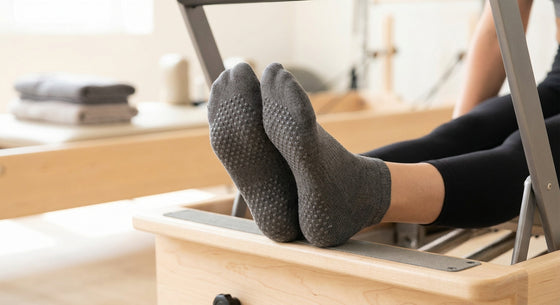
Grip socks aim to increase friction between your sock and insole. That can improve perceived lockdown, reduce the need to overtighten laces, and help maintain consistent foot positioning under fatigue. For teams, consistency across a roster matters because it makes fit and feel more predictable in training and matches.
Key features of the best performance grip socks
1) Grip placement that matches how you load your foot
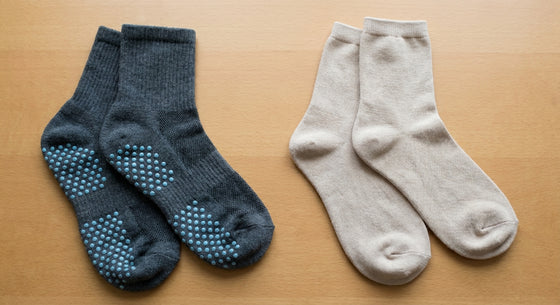
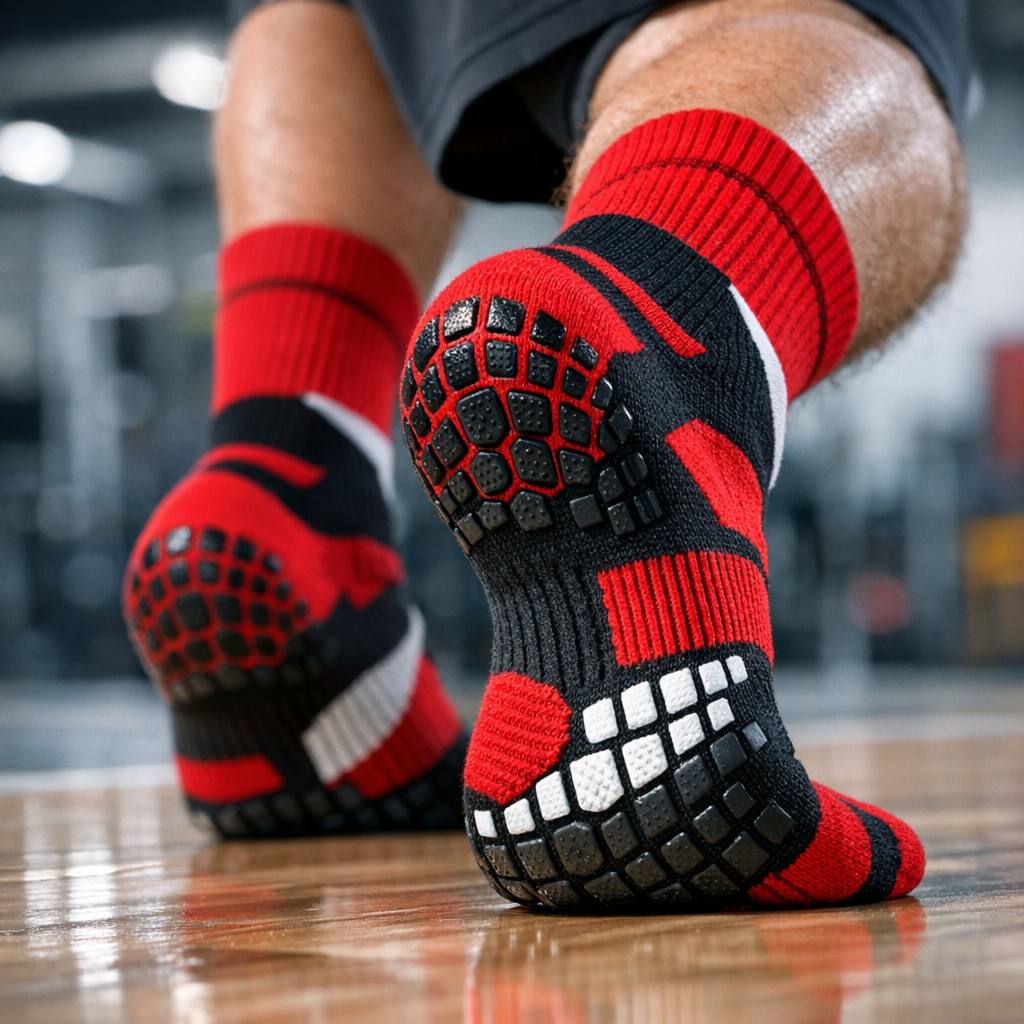
Effective grip is rarely “more is better.” The best designs place grip elements in high-friction zones that matter most: under the forefoot for propulsion and cutting, and under the heel for braking and landing stability.
Look for deliberate layouts rather than random dot patterns. You want grip that supports the angles and forces you actually create, especially during sharp changes of direction.
- Forefoot grip supports acceleration and quick cuts.
- Heel grip supports deceleration, landing, and stop-start actions.
- Midfoot grip can help some athletes, but should not create bunching or pressure points.
2) Fabric that manages sweat without sacrificing resilience
Moisture is a performance variable. When socks saturate, they get heavier, feel less secure, and can increase blister risk due to higher shear forces on the skin.
Performance synthetics and reinforced yarns often outperform basic cotton for sport because they dry quicker and maintain shape better. For durability, pay attention to reinforced toe and heel zones, since those experience the most abrasion.
3) Cushioning that fits your workload and footwear
Cushioning is not just a comfort preference; it changes how the foot interfaces with the shoe. Thinner socks can improve responsiveness and “close boot feel,” while thicker cushioning can help during impact-heavy sessions or for athletes prone to bruised toenails and pressure points.
A practical approach is to match cushioning to the demands of your week. Many athletes keep a thinner pair for speed sessions and competition, and a slightly cushioned pair for high-volume training.
4) Fit, sizing consistency, and anti-bunching construction
A grip sock that shifts or wrinkles can cancel out the benefits of the grip elements. Fit should be snug through the arch and heel pocket, with enough stretch to avoid compressing toes.
For teams, consistent sizing across reorders is a performance issue, not a convenience issue. A vendor with stable manufacturing and reliable size runs can reduce distractions and reduce last-minute kit changes.
5) Arch support and targeted compression for “lockdown”
Many high-performance grip socks include ribbing or compression bands around the arch and ankle. The goal is to improve proprioceptive feedback and reduce micro-movement over long sessions.
Compression should feel supportive, not restrictive. If athletes report numbness, tingling, or pressure points, sizing or band placement may be wrong for that foot shape.
Sport-specific grip sock selection
Field sports with frequent cutting
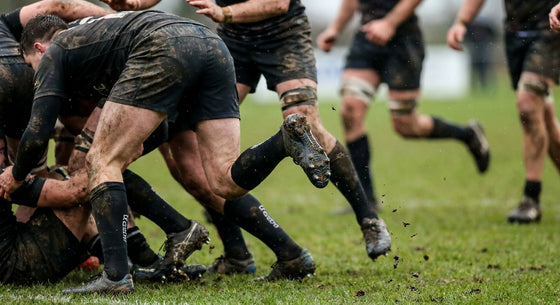
Soccer, football, and lacrosse athletes typically benefit from higher-coverage grip patterns and strong arch support. These sports demand repeat accelerations, hard braking, and multi-directional cutting, which increases internal shear if the sock slides.
Durability also matters more on abrasive surfaces like turf. Reinforced toe and heel construction can extend sock life when training volume is high.
Court sports focused on responsiveness
Basketball and other court athletes often prefer a thinner, more responsive sock profile. The goal is fast footwork with minimal “squish,” while still reducing slippage during lateral shuffles and quick stops.
Breathable mesh zones can help manage heat in indoor environments. If the shoe fit is already snug, avoid overly thick cushioning that can crowd the toe box and increase blister risk.
Climate and seasonal training
Hot conditions amplify sweat and increase the chance of hotspots. Look for fast-drying fibers and ventilation zones, and consider rotating pairs during tournaments to keep moisture under control.
In colder months, slightly thicker knits can improve comfort and reduce the feeling of “cold feet” at the start of sessions. The key is keeping the fit stable so insulation does not come at the cost of slippage.
where can i find grip socks?
The most reliable places to source performance grip socks tend to fall into three categories. First are performance-focused sporting goods retailers (online and in-store) that carry athlete-reviewed models and publish clear product specs.
Second are team and club suppliers that support bulk ordering, size runs, and consistent restocks. Third are direct-to-consumer makers that publish fiber blends, grip layouts, and sizing guidance, plus transparent return policies.
- Teams should prioritize reorders, color consistency, and dependable lead times.
- Individual athletes should prioritize clear specs, reliable sizing, and return flexibility.
- Everyone benefits from sellers who explain materials and construction rather than relying on vague claims.
For athletes who want a deeper science-based understanding of friction, footwear traction, and surface interaction, resources like the National Library of Medicine can be a helpful starting point for research-backed reading.
Custom grip socks for teams: what to evaluate early
Custom kit can improve team identity, but performance details should not be sacrificed for graphics. Before committing, confirm that customization will not interfere with stretch zones, arch bands, or grip placement.
Ask about sample approvals, wash-tested durability, and whether the grip material maintains effectiveness after repeated laundering. Also confirm that the same model will remain available for in-season reorders.
- Minimum order quantities and size distribution options
- Color matching and logo placement that avoids high-stretch regions
- Lead times plus contingency plans for mid-season replenishment
- Wash durability of both fabric and grip elements
Some suppliers, including Nextwave Socks, emphasize consistent manufacturing and clear specifications, which is exactly what teams should look for when performance and uniformity matter.
How to test grip socks before committing
The fastest way to choose confidently is to run a small wear trial. Test during at least two or three sessions that include acceleration, deceleration, and lateral work so you can assess slip under realistic demands.
Track both performance and comfort markers, not just “feel.” A sock can feel grippy at first but create hotspots after repeated high-intensity cuts.
- Slippage: does your foot stay planted during hard stops and cuts?
- Hotspots: any recurring friction points at toes, heel, or arch?
- Blister risk: especially after longer sessions or in heat
- Fit stability: does the sock bunch, rotate, or slide down?
- Post-wash performance: does grip and fit remain consistent?
Key takeaway: The best performance grip socks are the ones that maintain fit and friction after repeated training, not just the ones that feel tacky out of the package.
Conclusion: match the sock to the job
In 2024, choosing the best grip socks is about aligning construction with your sport, surface, and workload. Prioritize deliberate grip placement, stable fit, moisture management, and durability in the highest-wear zones.
For teams, consistency across orders can be as important as the sock itself. Start with a small trial, collect athlete feedback, then standardize what works so players can focus on performance instead of adjusting gear mid-game.
If you are exploring options for your roster or your own training, take a look at where can i find grip socks? and share what features matter most for your sport in the comments.
Grip that’s scientifically proven.
Join 23,197+ athletes. Free worldwide shipping, up to 44% off the latest drop.
Shop grip socks →