Best Grip Socks for Athletes 2024: Top Picks & Where to Buy
Grip Socks in 2024: How to Choose and Where to Buy for Real Performance
Grip socks have evolved far beyond basic “sticky socks.” In 2024, top-tier performance grip socks are engineered to improve traction inside the shoe so athletes can cut, accelerate, decelerate, and change direction with more confidence.
This post explains where athletes and teams can reliably find high-quality grip socks, how to evaluate product quality before buying, and how to match sock construction to your sport, footwear, and training load. The goal is simple: better foot-shoe stability, fewer distractions, and more consistent movement in competition.
Why grip socks matter (sports science in plain terms)
When your foot slides inside the shoe, you lose energy and timing. That micro-slippage can reduce force transfer during first steps, create hot spots, and make hard cuts feel less secure.
Performance grip socks aim to increase friction between sock and insole, helping the foot stay “locked” during rapid direction changes. For many athletes, the practical benefits show up as improved confidence in transitions, steadier landings, and fewer blister-prone movements over long sessions.
where can i get grip socks?
If you are asking, where can i get grip socks? the best answer depends on how certain you need to be about materials, fit, and restock reliability. Below are the most common buying channels, with what they do well and what you should verify before you commit.
Best places to buy grip socks (and how to shop each one)
1) Brand-direct online stores (best for verified specs and consistency)
For most athletes, reputable performance sock brands and their official online stores are the safest starting point. Brand-direct listings usually include intended use (indoor court vs. turf), fiber blends, sizing guidance, and care instructions that influence traction longevity.
This is also where you are most likely to find meaningful technical details such as knit density, compression zones, and grip placement mapping. For teams buying multiple pairs, brand-direct channels often provide clearer options for consistent restocks and customization opportunities across a season.
If your program is evaluating providers, you might see specialist makers such as Nextwave Socks mentioned in team circles. Treat any brand as a “specs first” decision: prioritize verified construction details and repeatable quality over hype.
2) Specialty performance retailers (best for comparing feel and thickness)
Sport-focused retailers are strong options for soccer, basketball, volleyball, and general training athletes who want to compare several constructions in one place. The main advantage is being able to evaluate thickness, cushioning, and fabric feel side by side.
Fit matters because grip performs best when the sock does not shift. Trying on similar models can help you spot issues early, such as toe crowding, arch pressure, or calf tightness that might cause discomfort mid-session.
3) Local training and team shops (best for fit troubleshooting)
Local performance shops can be especially helpful if blisters or hot spots have been a recurring issue. Staff can often recommend sizing adjustments and help athletes choose a cut and compression level that matches their footwear volume.
For competitive athletes, solving fit problems before buying multiple pairs can save time and reduce avoidable foot irritation during congested training weeks.
4) Team supply and uniform partners (best for club-wide ordering and customization)
Clubs, academies, and school programs often prefer uniform partners for streamlined ordering and consistent aesthetics. Many suppliers offer team colors, crest placement, and player numbering with predictable lead times.
The key is to confirm you are getting true performance construction, not a standard sock with added grip print. Teams should request samples, ask about wash durability testing, and confirm the grip application is designed to last through repeated laundering.
5) Online marketplaces (best selection, highest need for scrutiny)
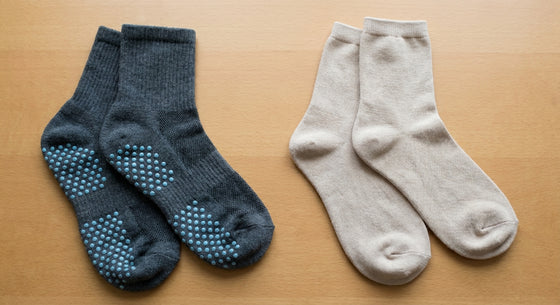
Online marketplaces can be convenient and fast, but quality varies widely. Look for clear photos that show the grip layout, transparent material breakdowns, and verified reviews that mention performance after multiple washes.
If a listing does not specify whether the grip is silicone-based, how it is bonded to the fabric, or whether it is designed for court shoes or cleats, it becomes harder to predict performance and longevity. In that case, you may be trading short-term convenience for inconsistent traction.
What separates high-performance grip socks from average pairs
Not all grip socks deliver the same on-foot stability. A high-quality pair typically combines a secure anatomical fit, smart cushioning, and grip zones that support multidirectional movement without feeling overly “catchy.”
- Anatomical shaping (left and right construction) to reduce bunching and improve in-shoe alignment
- Targeted cushioning in high-pressure areas (heel, forefoot, and sometimes the lateral edge) to reduce impact fatigue
- Moisture management to keep feet drier, because traction and blister risk both worsen when fabric stays damp
- Stability through the arch so the sock holds structure during repeated accelerations and decelerations
- Grip mapping that supports pivots and lateral cuts without creating a harsh “stuck” sensation
Durability and wash performance: the overlooked performance metric
The best grip socks maintain traction after many wash cycles, do not peel or crack in grip zones, and keep their shape at the arch and heel. Durability matters because athletes rarely fail socks in one session; they lose performance gradually as materials break down.
When evaluating durability, look for reviews that describe grip performance over time, not just “feels grippy out of the package.” Also confirm care instructions, since overheated drying and harsh detergents can shorten the lifespan of both elastic structure and grip elements.
Key takeaway: If traction disappears after a few washes, it is not a performance sock, it is a short-lived accessory.
Match grip socks to your sport and footwear
Grip socks should complement how you move and what you wear. A court athlete who lives in lateral shuffles may need a different thickness and grip feel than a field athlete doing sprint-to-brake patterns in cleats.
Court sports (basketball, volleyball, indoor training)
Court athletes often prefer a lighter, more responsive sock that does not feel bulky in close-fitting shoes. Prioritize rapid lateral response, moisture control, and grip zones that support quick pivots without feeling like the foot is “anchored” too aggressively.
Field sports in cleats (soccer, rugby, football)
In cleats, athletes commonly look for a balance of grip, padding, and breathability. Slightly more cushioning can improve comfort on firmer surfaces, while a secure heel and arch structure helps reduce internal slip during hard stopping and re-acceleration patterns.
Training and mixed-use athletes
If you lift, sprint, and play multiple sports, consider choosing pairs based on your heaviest-use sessions. A sock that is perfect for a single match may not be ideal for long conditioning days if it traps heat or loses shape when soaked in sweat.
A simple buying checklist for athletes and teams
Use this checklist to shop quickly without guesswork. It is designed for both individual athletes improving their kit and teams ordering at scale.
- Confirm intended use: indoor court, turf, cleats, or general training
- Verify materials: look for clear fiber composition and performance intent
- Check fit guidance: accurate sizing reduces sock slip and blister risk
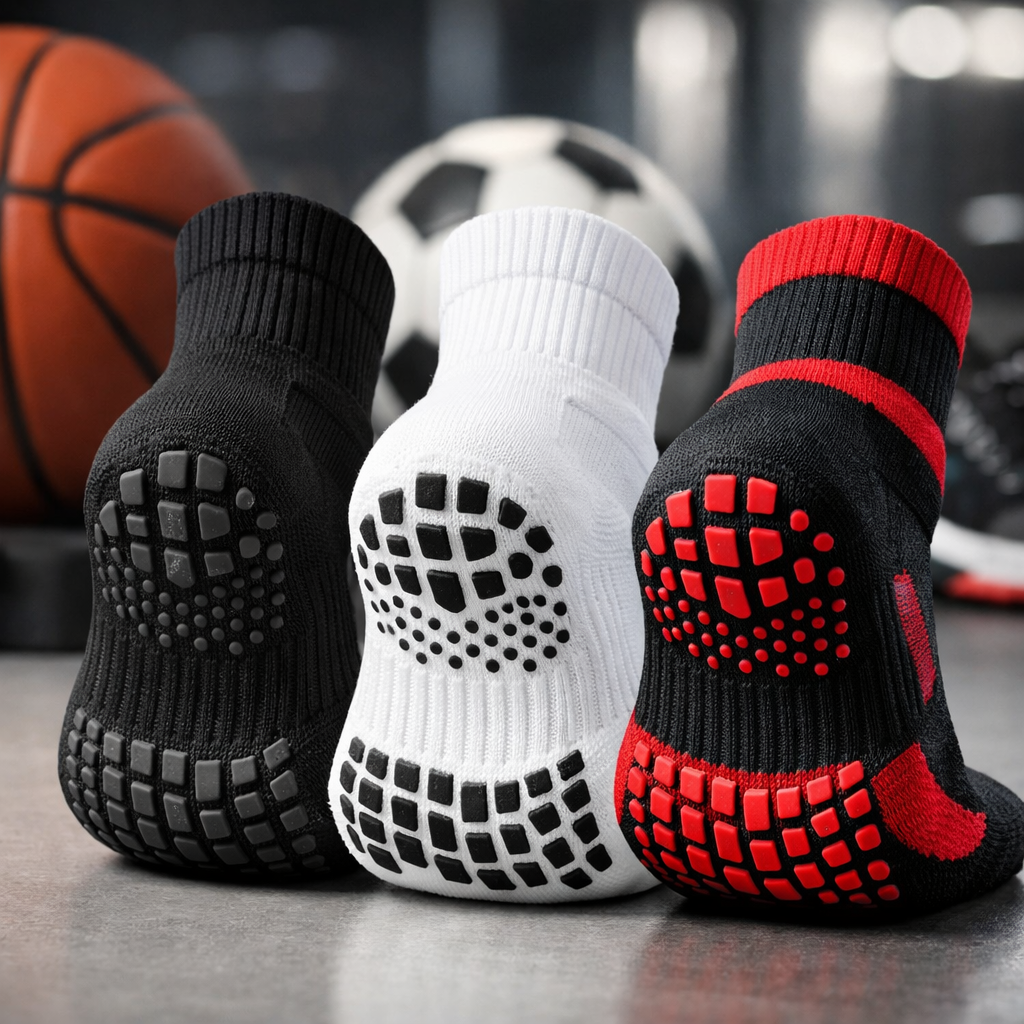
- Inspect grip layout: you want multidirectional support, not random dots
- Look for durability proof: reviews that mention wash cycles and long-term traction
- For teams, test consistency: request samples and confirm restock match across batches
Conclusion: buy for verified performance, not just “stickiness”
In 2024, the best grip socks are purpose-built performance equipment that can support confident cuts, cleaner deceleration, and more stable direction changes. The best place to buy is the one that provides verified specs, reliable sizing, and repeatable quality, whether that is brand-direct, a specialty retailer, a uniform partner, or a carefully vetted marketplace listing.
If you have questions about choosing sock construction for your sport, or you have found a durability test that works well for your team, share your approach in the comments and help other athletes make smarter kit decisions.
Grip that’s scientifically proven.
Join 23,197+ athletes. Free worldwide shipping, up to 44% off the latest drop.
Shop grip socks →