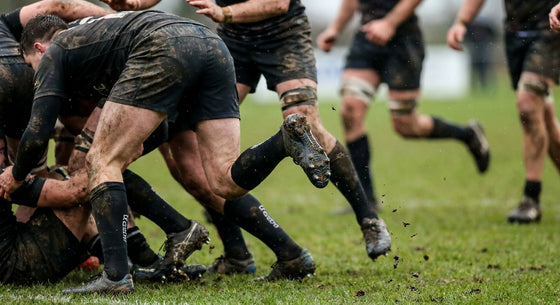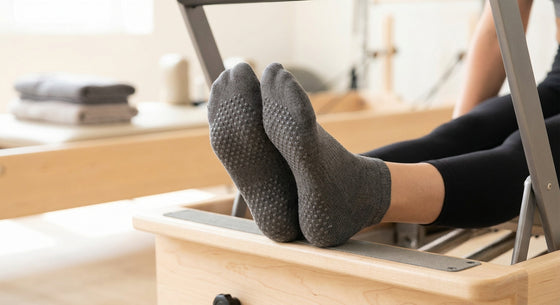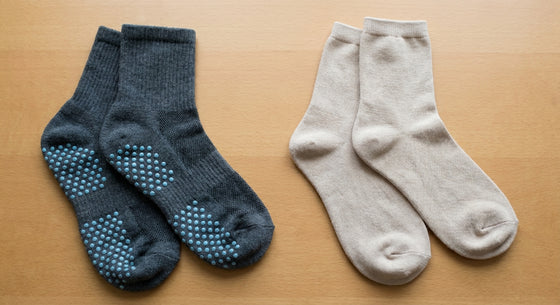
Enhance Your Athletic Performance with Grip Socks
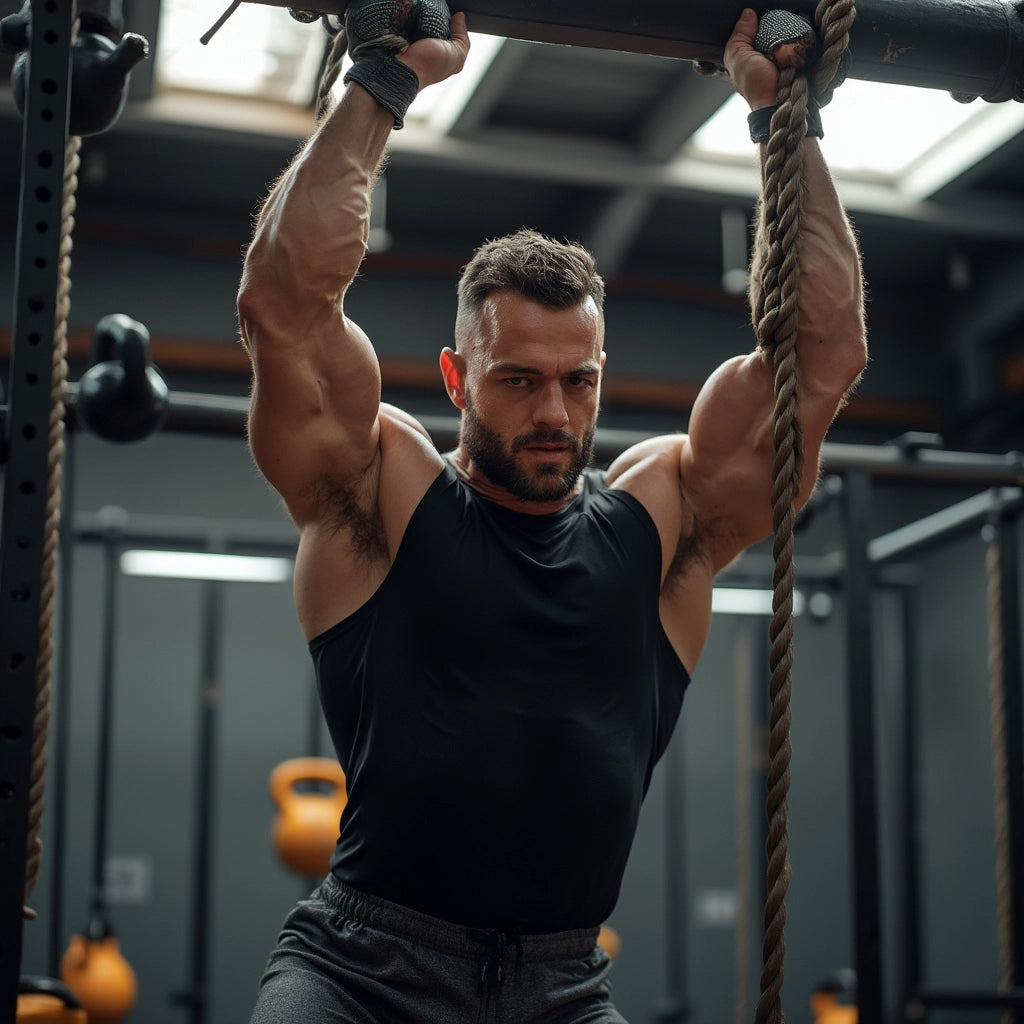
Unlocking Athletic Potential: The Overlooked Importance of Grip Strength
In the quest for athletic excellence, developing grip strength often takes a backseat in training regimens. Yet, this fundamental component can significantly enhance performance across multiple sports and activities. While traditionally associated with weightlifting, a powerful grip extends beyond the weight room, providing athletes with numerous competitive advantages. Let's explore how grip strength benefits diverse sports and how it can be effectively integrated into training programs.
The Wide-Reaching Impact of Grip Strength in Athletics
Strong grip strength affects various sports in unique and impactful ways. In baseball and cricket, athletes experience improved throwing velocity due to a robust grip. Similarly, basketball players enjoy increased shooting accuracy, and tennis players gain better racquet control. Combat sports athletes also benefit, as enhanced grip strength translates into better control during grappling and more powerful strikes.
Even runners, who might not immediately consider grip essential, can experience improved arm drive efficiency and reduced upper body tension, which translates into smoother strides during competition. It's clear that grip strength is a versatile asset in athletic performance.
Enhancing the Neuromuscular System
Beyond direct performance improvements, grip strength training offers substantial neuromuscular benefits. Research indicates that developing grip strength activates the entire kinetic chain, enhancing the body's ability to generate force from the ground up. This activation improves overall movement efficiency, reducing the risk of injury, particularly in the shoulders and elbows.
Athletes who incorporate grip training into their programs often notice better movement coordination, assisting in both performance outcomes and injury prevention.
Practical Grip Strength Training Techniques
Fortunately, athletes can develop grip strength through various practical methods. Some effective exercises include:
- Towel pulls
- Farmer's walks
- Dead hangs
However, the most effective approach is to incorporate grip training naturally within existing movement patterns during practice and competition. For instance, athletes might use thicker handles during training or practice sport-specific skills with added grip challenges. This seamless integration ensures that grip strength training is relevant and directly beneficial to the athlete's primary sport.
Grip Strength: A Game-Changer for Team Dynamics
In team sports, the influence of grip strength cannot be underestimated. It can be the difference between maintaining possession under pressure and securing a critical play during intense moments. Individual athletes will find that improved grip capability leads to enhanced proprioception and body control, culminating in more precise movement patterns and better performance outcomes.
“Developing grip strength provides athletes with both physical and strategic advantages, impacting everything from engagement to execution.”
Building a Resilient Foundation for Sport-Specific Skills
By understanding and incorporating grip strength as part of a comprehensive training program, athletes can unlock new levels of performance potential. A strong grip builds a more resilient foundation for sport-specific skills, fostering better athleticism and competitive prowess.
Conclusion: Harnessing the Power of Grip Strength
Athletes seeking high-performance must not overlook the power of grip strength. By integrating strategic grip training into their programs, they pave the way for improved performance and enhanced resilience. Whether you're a seasoned athlete or part of a sports team, consider the impact of grip strength on your game.
For personalized solutions to augment your training, explore the possibilities with custom socks uk. Unleash your potential today!
We'd love to hear your thoughts or experiences on grip strength training. Feel free to share your insights in the comments below and share this article with your sports community for broader athletic development.
Grip that’s scientifically proven.
Join 23,197+ athletes. Free worldwide shipping, up to 44% off the latest drop.
Shop grip socks →