Grip Socks Boost Foot-Brain Connection for Elite Athletes
The Foot-Brain Connection: Unlocking New Levels of Athletic Performance
In the pursuit of peak athletic performance, athletes continuously seek out the latest techniques and training methodologies. However, one critical component often overlooked is the profound connection between our feet and brain. Recent research has shed light on this unique relationship, uncovering its potential to enhance performance and reduce injury risk. This article delves into how this foot-brain connection influences athletic excellence, offering insights and strategies for athletes and sports professionals seeking to amplify their prowess.
Understanding the Foot-Brain Connection
Our feet are nothing short of sensory powerhouses. Housing over 200,000 nerve endings, they are amongst the body's richest sources of feedback to the brain. This intricate network facilitates communication crucial for refined athletic movements. This neural pathway, known as proprioception, allows athletes to perform split-second adjustments in balance, speed, and direction.
Properly engaging this connection can significantly boost reaction time, agility, and movement efficiency. Elite athletes, including runners, basketball players, and soccer professionals, are now training with this focus in mind, integrating barefoot sessions and adopting specialized footwear that enhances rather than dampens sensory feedback.
Training Techniques for Enhancing Proprioception
Benefits of Barefoot Training
Many athletes are turning to barefoot training to strengthen their foot-brain connection. This method improves ground feel and stability, allowing for a more natural movement experience. Incorporating barefoot practices can enhance muscle strength in the feet and fine-tune neural pathways—resulting in better performance on the field or court.
Exercises to Foster Foot Strength
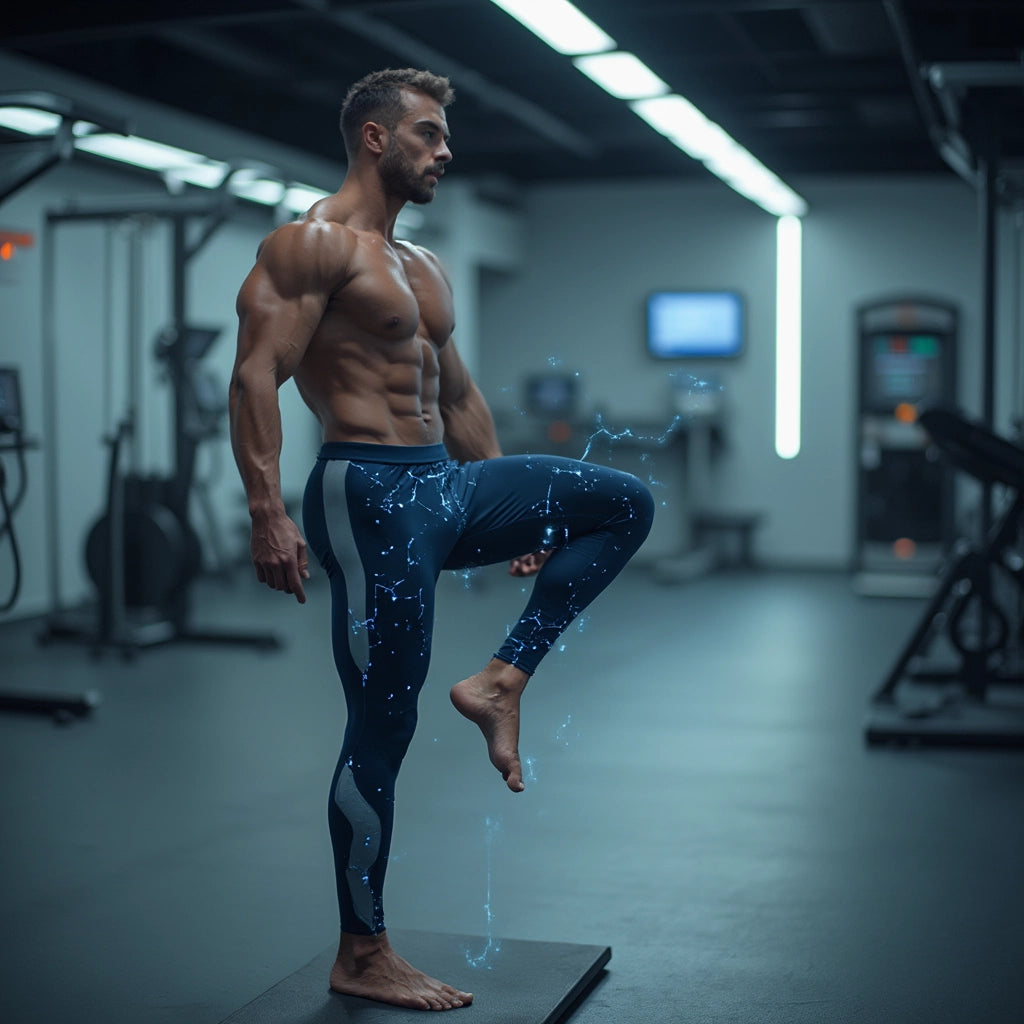
- Balance Work: Perform single-leg balances on one foot to improve stability and proprioception.
- Toe-Spreading Exercises: Strengthen intrinsic foot muscles by spreading and extending the toes.
- Varied Surface Training: Engage different muscle groups by practicing on gravel, grass, or sand.
These exercises are increasingly becoming standard practice in elite training programs, helping athletes report enhanced performance across various sporting activities.
Impact on Athletic Performance
The science behind training the foot-brain connection is compelling. Stronger neural connections between feet and brain translate into better movement patterns, reduced injury risk, and more efficient energy transfer during athletic activities. As the focus on optimizing this neural link grows, professional teams are implementing dedicated foot-brain training protocols into their regular routines.
This emphasis on the foot-brain link illustrates a shift from traditional training methods to an approach grounded more firmly in sports science and neuroscience. By acknowledging the fundamental role of proprioception, athletes can gain a competitive edge that had previously gone unnoticed.
Conclusion: Embracing the Power of Proprioception
Incorporating an understanding of the foot-brain connection into training routines offers a powerful tool for athletes aiming to elevate their game. This holistic approach not only enhances athletic performance but also mitigates injury risks and promotes longevity in sports careers. For cutting-edge knowledge and innovative training gear like ergonomic footwear focusing on sensory feedback, consider Nextwave Socks, where customization and performance meet.
"Training the foot-brain connection could be the missing link in your performance equation."
Comment below to share your thoughts on integrating proprioception in athletic training, or share this article with your team to start a conversation about advancing your training methodologies.
Grip that’s scientifically proven.
Join 23,197+ athletes. Free worldwide shipping, up to 44% off the latest drop.
Shop grip socks →