Grip Socks Singapore: Where to Buy Athletic Socks
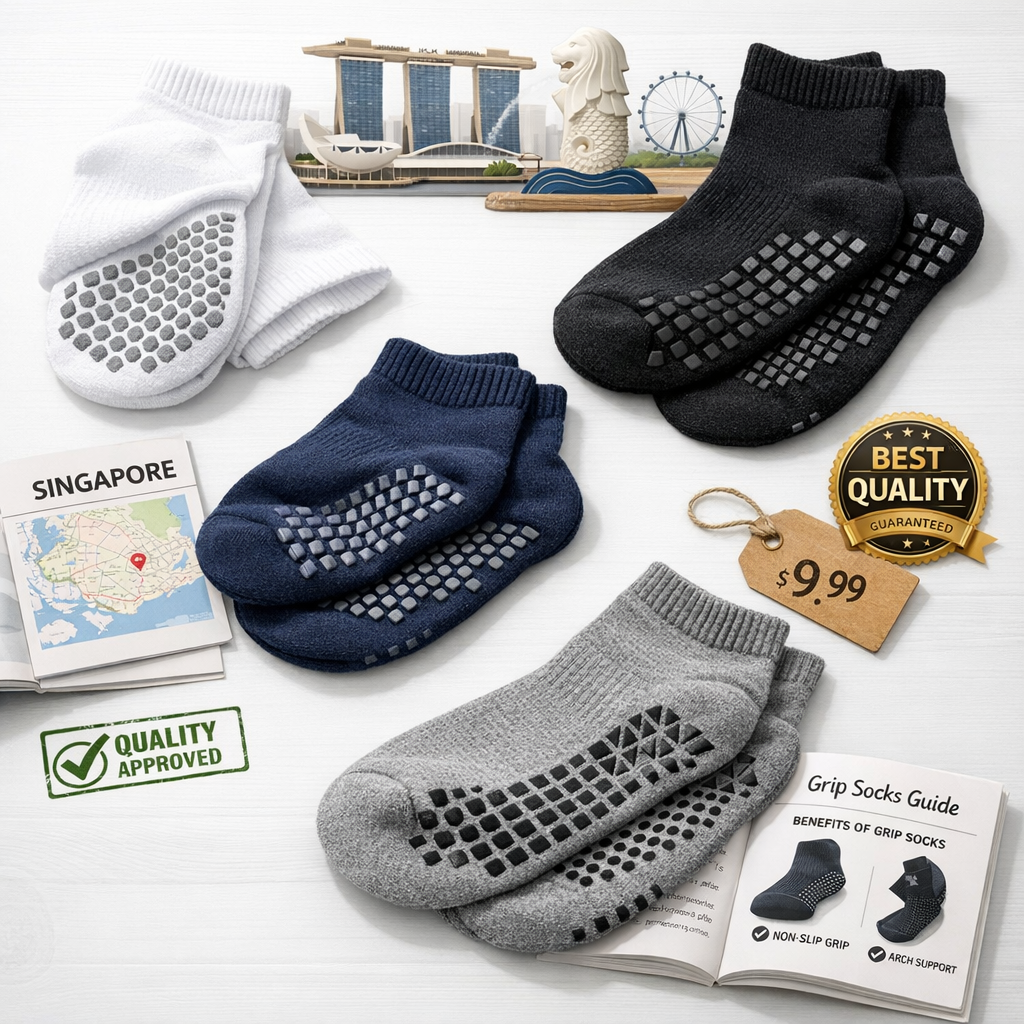
Grip Socks in Singapore: How to Choose High-Performance Pairs for Training and Match Day
Singapore’s training scene is fast-paced and varied, from football pitches and futsal courts to gyms, studios, and school sports halls. Across these settings, grip socks have become a practical performance upgrade for athletes who want more stability, cleaner cuts, and fewer in-shoe slips during high-intensity movement.
This guide explains how to shop intelligently, what quality actually looks like, and how to match grip socks to your sport, footwear, and budget. It is written for both individual athletes and teams who want reliable performance without guesswork.
Why grip socks matter for athletic performance
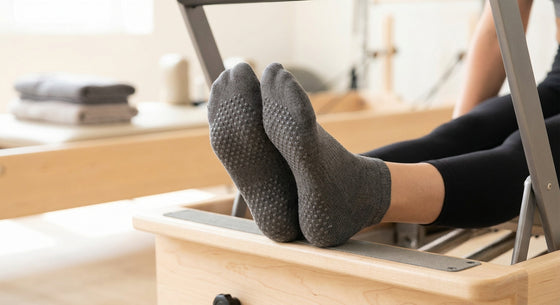
Grip socks are designed to increase friction between your foot and the insole, which can reduce micro-sliding inside the shoe. That matters in sports where you plant, cut, accelerate, decelerate, and change direction repeatedly. Less internal movement can also mean fewer hot spots that lead to blisters.
From a sports science perspective, traction and fit influence how confidently you apply force into the ground. When your foot feels “locked in,” you often get quicker transitions and more stable landings. The goal is not “stickiness” for its own sake, but controlled traction that supports repeatable movement mechanics.
Where to buy grip socks singapore?
If you have been searching where to buy grip socks singapore? it helps to start by choosing the purchase channel that matches your priorities. Different channels trade off speed, selection, and consistency, and that can affect whether you end up with performance-grade socks or basic “sticky” pairs.
Sports retailers and specialty stores
Physical stores are useful when you need socks quickly for a match, camp, or tournament weekend. You can compare cushioning thickness, check how the grip pattern feels under your fingers, and confirm sizing on the spot. This option also reduces the risk of surprise fit issues, especially for athletes between sizes.
Online marketplaces
Marketplaces offer the widest range of prices and styles, but quality varies significantly. Look for clear material specifications, close-up photos of the grip pattern, and reviews that mention durability after multiple washes. If the listing does not show the grip coverage zones or fabric composition, it is harder to predict performance in humid conditions.
Brand webstores and performance-focused sites
Buying from dedicated webstores often gives you the most consistent technical designs and the newest cuts such as crew, knee-high, or low-cut. This can be the easiest route if you want targeted compression, sport-specific cushioning, or a particular feel inside tight-fitting boots. Some local specialists, including Nextwave Socks, also publish sizing guidance and care tips that help athletes get more life out of each pair.
Direct orders for clubs, academies, and schools
For teams, ordering directly from a supplier is often the most efficient path. It simplifies bulk sizing runs, consistent colourways, and customization for different squads. It also reduces the “mixed batch” problem where players end up wearing slightly different models with different grip and cushioning profiles.
What “quality” means in grip socks (and how to spot it)
Not all grip socks are built for sport. Many pairs feel grippy when new, but lose traction, stretch out, or become uncomfortable once training volume increases. Use the markers below to separate high-performance options from basic sticky socks.
1) Grip pattern coverage and flexibility
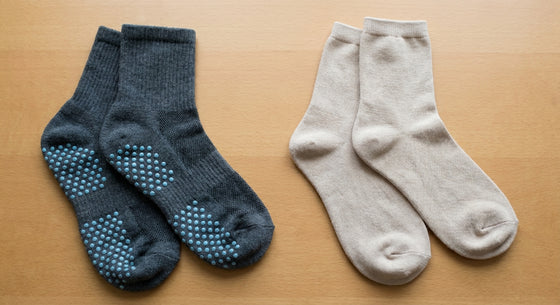
A well-designed grip pattern covers high-contact zones such as the heel, midfoot, and forefoot. It should maintain traction even when the sock flexes under load during sprints, cuts, and landings. If the grip feels hard and overly rigid, it can create pressure points or reduce natural foot movement.
- Look for grip coverage in the heel and forefoot, not just scattered dots.
- Prefer patterns that are dense where you push off and brake.
- Avoid grips that look like thick plastic slabs with little flexibility.
2) Breathability for Singapore’s humidity
Heat and moisture change how socks feel inside your shoe. In Singapore’s climate, moisture-wicking yarn blends and ventilation zones can reduce “soggy sock” buildup that contributes to slipping and blisters. Breathability is not only about comfort, it can affect consistent traction through long sessions.
- Check for moisture-wicking materials and mesh or vent panels.
- Choose constructions that feel supportive without being heavy.
- If you train outdoors often, prioritize airflow over extra thickness.
3) Fit and structure that prevent bunching
Fit is a performance feature, not a cosmetic one. A structured arch band helps keep the sock centered under the foot, while a secure heel pocket reduces slippage and bunching. When socks fold or slide, the grip pattern can end up in the wrong place, which reduces traction and increases friction.
- Confirm the size range matches your shoe size rather than “one size fits most.”
- Look for an arch band that feels snug but does not restrict circulation.
- Check that the heel pocket sits correctly without twisting after a few steps.
4) Cushioning aligned to your sport
Cushioning affects impact comfort, boot feel, and even how securely your foot sits in the shoe. Court athletes who land often may prefer thicker underfoot cushioning, while footballers and futsal players usually want a thinner to medium profile to preserve touch and responsiveness. The best choice is sport-specific, not universally “more padding is better.”
- Thin to medium for football and futsal to maintain boot feel.
- Medium to thick for basketball, netball, and volleyball for repeated impacts.
- Breathable, flexible for gym and studio work with lots of lateral transitions.
5) Durability across wash cycles
Grip socks should keep their elasticity, shape, and traction over time. Common failure signs include peeling grips, cracking patterns, flattened cushioning, and stretched collars that slide down. Reviews that mention longevity after multiple washes are often more valuable than first-impression ratings.
Key takeaway: The best grip socks feel secure in motion, stay breathable under sweat, and keep their grip and fit after repeated training and washing.
Matching grip socks to footwear and training environment
Your shoe and surface change what you need from a sock. A pair that feels great in indoor courts may feel too thick in snug boots, while a lightweight sock built for speed may feel harsh on hard landings. Think in terms of your most common sessions rather than occasional use.
Football and futsal
Most players benefit from thin to medium cushioning with a secure arch and heel lock. The aim is better in-boot stability without dulling touch or making the boot feel tight. If you tape ankles or wear sleeves, consider the sock height and how it layers.
Court sports (basketball, netball, volleyball)
Choose a slightly taller cut for comfort and a more cushioned underfoot feel for repeated jumps and landings. Traction should feel consistent during lateral shuffles and hard stops. Prioritize a stable heel pocket so the sock does not migrate during repeated direction changes.
Gym and studio training
For strength, conditioning, and studio classes, breathability and stable traction on smooth flooring matter most. Look for a secure midfoot fit and ventilation zones, especially if sessions involve short bursts of lateral movement. If you train in multiple shoe types, a versatile medium-profile sock is often the safest starting point.
Team and school orders: what to confirm before you buy
Teams often discover problems only after the first match: inconsistent sizing, delayed delivery, or grips that wear too quickly for the season’s training load. A short checklist before ordering can prevent that.
- Minimum order quantities: Confirm the smallest viable run for your squad size.
- Lead times: Build in buffer weeks before tournaments and photo days.
- Size breakdown: Ensure a realistic spread across the team, not just one size.
- Colour and logo accuracy: Ask how closely colours can match team kit.
- Grip longevity and colourfastness: Clarify expected performance over washes.
- Replacement policy: Understand what happens if a batch has defects.
If you are sourcing for a club, it can also help to request a small sample run for wash testing. Testing after several training sessions gives better insight than trying socks on once in a dry fitting room.
Conclusion: a simple checklist for confident buying
Grip socks can support faster, safer, and more confident movement when they are chosen with purpose. Focus on four pillars: traction that flexes with your foot, fit that prevents bunching, breathability for humidity, and durability through repeated washes. Then match cushioning and cut to your sport and footwear.
If you have a tip that helped your team reduce in-shoe slipping or blisters, share it in the comments and help other athletes train smarter. For more guidance on squad orders and customization options, explore where to buy grip socks singapore?.
Grip that’s scientifically proven.
Join 23,197+ athletes. Free worldwide shipping, up to 44% off the latest drop.
Shop grip socks →