How Sports Socks Regulate Foot Temperature for Peak Performance
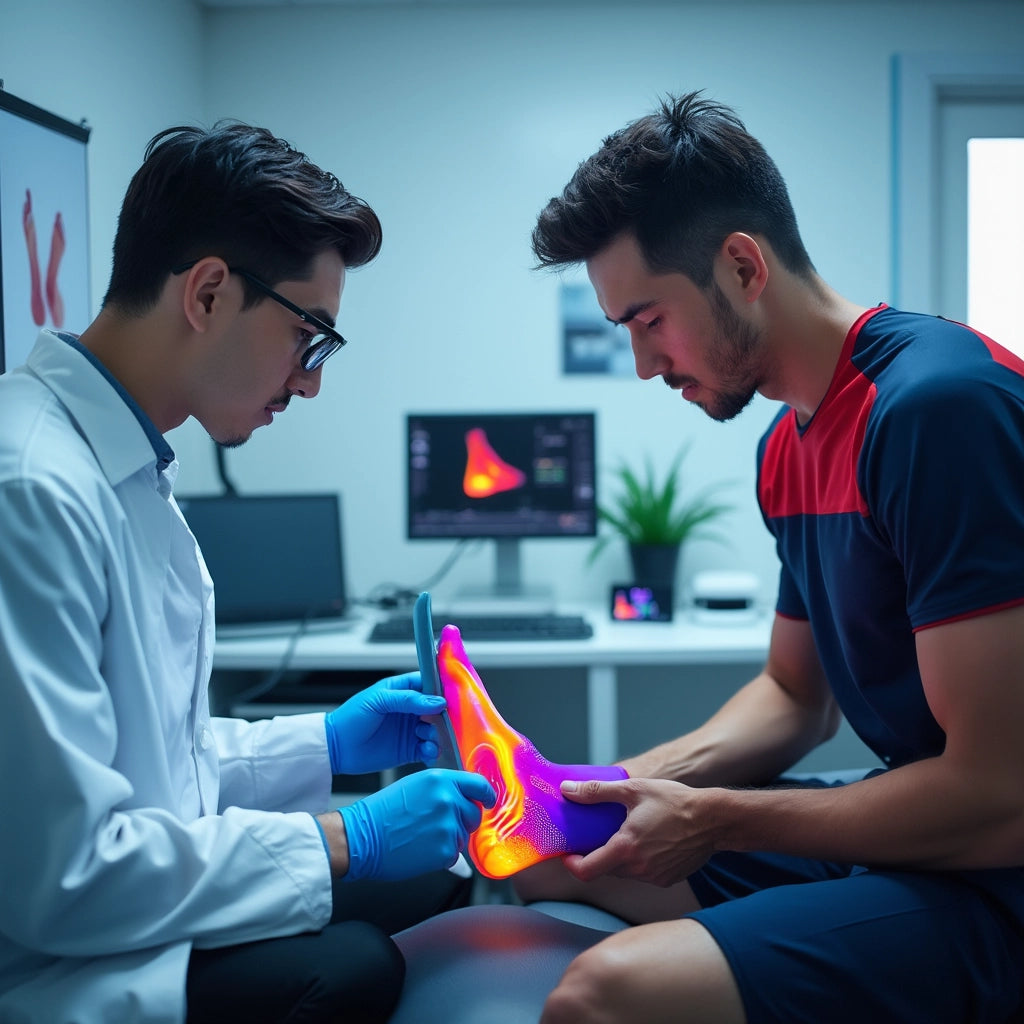
The Role of Foot Temperature in Enhancing Athletic Performance
Athletes continually strive to optimize their performance, and understanding the nuances of sports science is key to achieving those marginal gains. One often overlooked but crucial aspect is regulating foot temperature during physical activities. Recent research has highlighted the significant impact that maintaining an optimal foot temperature range can have on endurance, comfort, and overall performance.
Why Foot Temperature Matters
When we engage in physical activities, our bodies exhibit reactions that can affect performance in various ways. The temperature of our feet plays a critical role. If feet become too hot, excess sweating may lead to moisture accumulation, elevating the risk of blisters and bacterial infections. On the other end of the spectrum, cold feet can restrict blood flow, reduce muscle activation, and compromise reaction times.
The perfect balance is essential, and it has been shown that keeping foot temperature within the range of 28-32°C (82-89°F) creates optimal conditions. In this range, blood circulation is enhanced, muscle efficiency is maintained, and moisture-related issues decrease, paving the way for improved athletic performance.
Optimizing Foot Temperature Through Science
The science of sports performance suggests several effective strategies for athletes to regulate foot temperature:
- Moisture Management: Advanced fiber technology can wick away sweat, keeping feet dry and comfortable.
- Strategic Ventilation: Shoes designed with ventilation zones facilitate proper airflow, preventing overheating.
- Thermal Regulation Materials: These materials adapt to body temperature changes, providing a breathable and responsive environment for your feet.
- Anatomically Designed Cushioning: Footwear with cushioning that promotes circulation supports both comfort and performance.
The Foot Temperature Advantage in Endurance Sports
For endurance athletes, maintaining optimal foot temperature is particularly relevant. Endurance sports demand prolonged physical effort, where even slight discomfort can translate into significant performance drops. Regulating foot temperature aids in:
- Enhancing endurance levels
- Reducing fatigue
- Improving ground feel and proprioception
- Decreasing the risk of foot-related injuries
Key Takeaways for Athletes
"Optimizing foot temperature isn't just about comfort; it's about unlocking the potential for peak performance. Remember, the difference between victory and defeat often lies in the smallest details."
Whether you are training for a marathon or competing in team sports, paying close attention to foot temperature can provide that crucial competitive edge. It is not just the physical training that will determine success but also how effectively you manage the supportive elements, like foot temperature, during your performance.
Take Action for Better Performance
In the world of competitive sports, every detail counts. By implementing strategies to manage foot temperature, athletes not only improve comfort but also maximize their potential on the field. Interested in more tips for enhancing your athletic performance? Explore our latest offerings at Nextwave Socks to learn about innovative solutions for your sporting needs. Remember, the best football grip socks can make all the difference.
We invite you to share your experiences with us in the comments! How do you manage foot temperature, and how has it impacted your performance? Let’s discuss the small changes that can lead to big differences.
Grip that’s scientifically proven.
Join 23,197+ athletes. Free worldwide shipping, up to 44% off the latest drop.
Shop grip socks →