Where to Buy Grip Socks for Football: Best Sports Socks
Grip Socks for Soccer: How to Choose the Right Pair and the Right Place to Buy
Grip socks have become a popular performance upgrade for soccer players who want a more stable feel inside their boots during fast cuts, hard accelerations, and wet-weather matches. The idea is simple: reduce internal foot slip so your boot moves with you, not around you.
This guide explains what separates true soccer grip socks from standard options, and how to evaluate retailers and suppliers so you can buy with confidence. Whether you are an individual athlete dialing in your kit or a coach ordering for a squad, the goal is the same: consistent traction, comfort, and durability across a full season.
Why grip socks matter for performance and feel
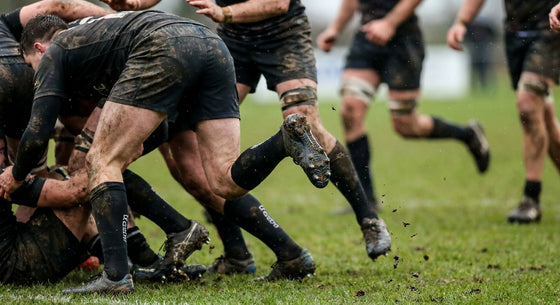
Most soccer players have experienced that split-second slide inside the boot when planting to change direction. Even small internal movement can affect how your foot loads through the forefoot, which can change timing, perceived stability, and how confidently you attack cuts.
Grip socks use traction zones to reduce that internal slippage. When the foot feels more “connected” to the boot, many players report a more locked-in sensation during pressing, sprinting, and deceleration.
Key takeaway: Grip socks are not about making you faster overnight. They are about improving consistency of contact and reducing “micro-slips” that can disrupt control during high-intensity movement.
What to look for in soccer grip socks
Before you decide where to shop, it helps to know what you are actually comparing. Two socks can both claim “grip,” but differ dramatically in traction placement, fit, and how they feel inside a tight boot.
Grip placement and material
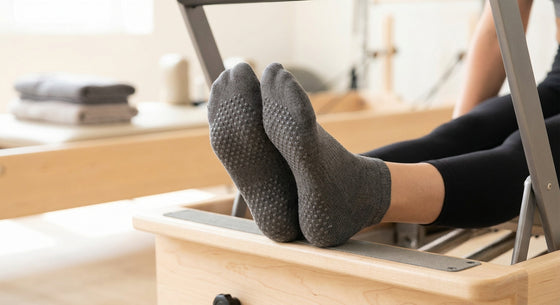
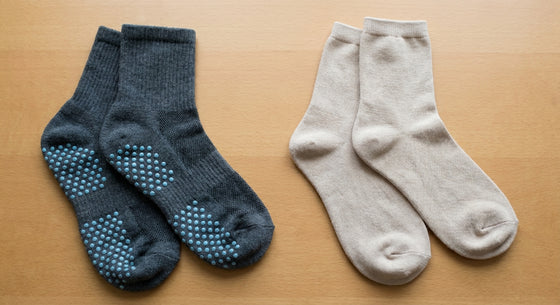
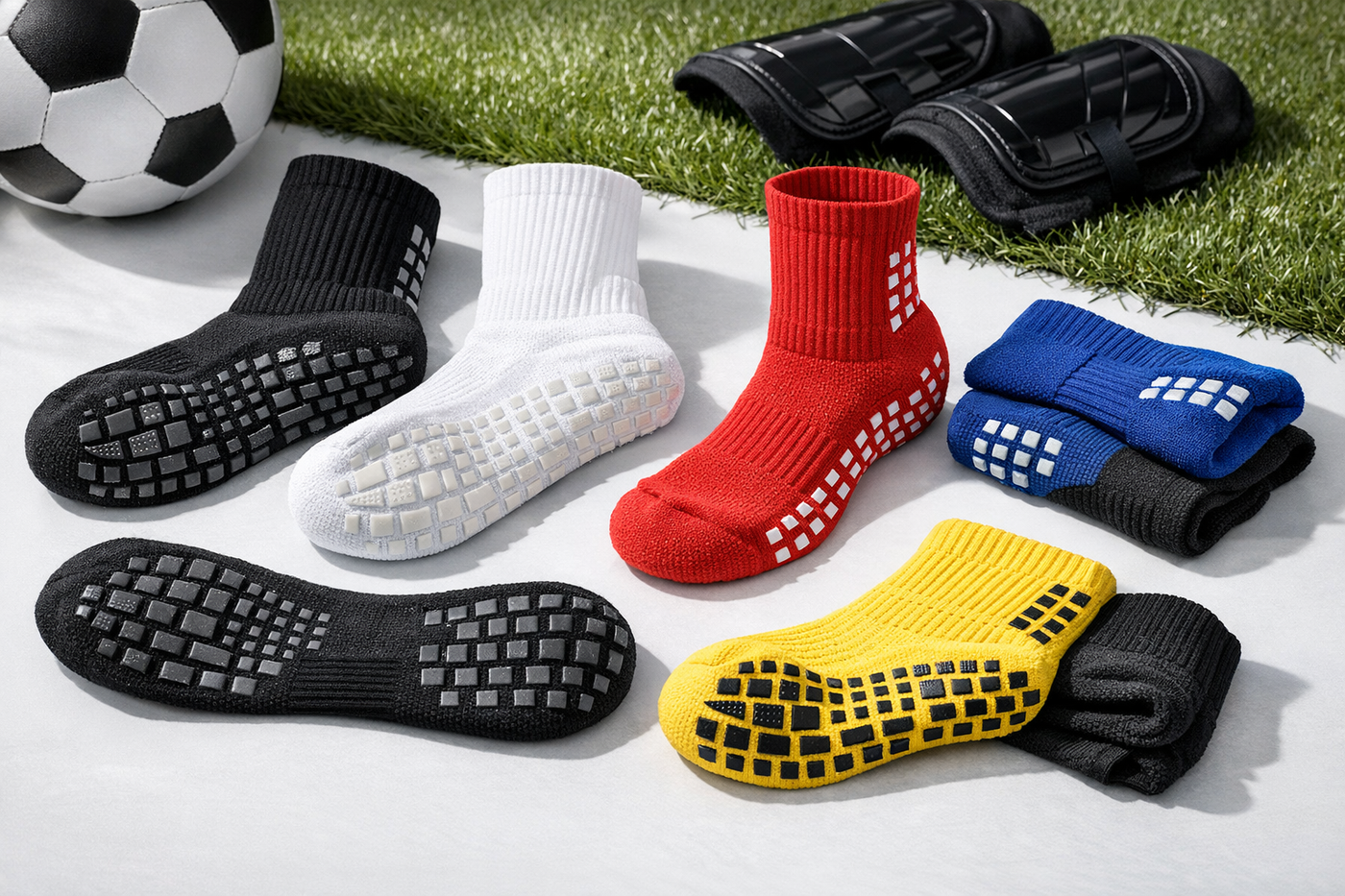
Look for silicone or rubberized traction zones under the forefoot and heel, since these are common high-pressure areas for sprinting and braking. Some designs also add side grips to reduce lateral roll, which can matter for players who cut aggressively.
A good pattern improves traction without feeling bulky. If the grip dots are too thick, you may feel pressure points or a “floating” sensation in the boot.
Compression and fit
A secure arch and ankle fit helps keep the traction zones aligned with your foot. If the sock rotates, the grip zones stop landing where you need them, especially during repeated changes of direction.
Too tight can be a problem as well. If you feel numbness, tingling, or cramping, size up or choose a model with lighter compression.
Cushioning and boot feel
Many soccer athletes prefer targeted cushioning at the heel and forefoot rather than thick padding throughout. Too much bulk can change how your boot fits, potentially affecting touch on the ball and overall lockdown.
If you are between boot sizes or wear a speed-style boot with a tight profile, prioritize thinner knits with strategic cushioning instead of maximum padding.
Moisture management and heat control
Grip performance is not just about the grip material. Breathable knits and moisture-wicking yarns help keep the foot drier, which can reduce slippage over a full training session.
For hot climates or double sessions, look for ventilation zones on top of the foot and around the arch to manage heat buildup.
Durability and wash performance
High-friction areas can wear quickly, especially if the grip print is low quality. Reinforced heel and toe stitching helps, but also look for reviews mentioning grip longevity and whether the dots peel after washing.
To preserve traction, most grip socks last longer when washed inside-out and air-dried. Always check the care label before you commit to a team order.
Rules, layering, and team compliance
Some players wear grip socks over a cut sock or under a team sock, depending on comfort, shin guard fit, and league expectations. If your team has uniform standards, confirm whether visible logos or non-matching colors are allowed.
When in doubt, ask your coach or administrator, or review your league’s equipment guidelines using an official resource like a player equipment rules overview.
where to buy grip socks for soccer?
Choosing a purchase channel influences more than price. It affects sizing consistency, access to product specs, return options, and how reliably you can reorder mid-season.
- Specialty soccer retailers (online or in-store): Often carry soccer-focused models and can be helpful for fit guidance. This can be useful if you want to match socks to your boot shape and playing surface.
- Major sporting goods stores: Convenient for quick purchases and returns, with a wide range of price points. The tradeoff is that selection may include general “training” grip socks that are not optimized for soccer-specific demands.
- Direct-to-consumer brand websites: A strong choice if you want clear specs, updated sizing guidance, and consistent restocks. Some performance-focused companies, including Nextwave Socks, also support team ordering options for clubs that want uniformity.
- Online marketplaces: Useful for fast comparison shopping, but quality varies. Prioritize verified sellers, clear photos of the grip zones, and reviews that mention durability after multiple washes.
- Team dealers and uniform suppliers: Ideal for clubs and academies that need consistent colors, coordinated delivery, and easy reorders during the season.
How to evaluate a retailer or supplier (beyond the product page)
Two socks with similar features can perform differently depending on construction quality and sizing accuracy. That is why the retailer experience matters, especially for first-time buyers and team managers planning bulk orders.
Prioritize transparent product specs
Look for listings that clearly state grip zone location, grip material, thickness, and compression level. Vague descriptions like “enhanced traction” are less useful than diagrams or close-up photos.
If you are buying for a team, ask whether the sock has been tested for repeated washing and whether there are recommendations for training versus match use.
Check returns and exchanges before you buy
Sizing can differ across models, especially if compression is significant. A good return policy lowers risk when you are testing a new fit, and it matters even more if you are ordering multiple pairs for a roster.
For team purchases, confirm how exchanges are handled for players who fall between sizes.
Use reviews that mention time, not just first impressions
Early comfort reviews are helpful, but durability shows up after weeks of training. Search for comments that mention whether grip dots peel, whether the sock slides after sweating, and how the fabric holds up at the heel.
If you are comparing options across channels, favor reviews that specify the playing context, such as wet turf sessions, long tournaments, or high-mileage training weeks.
Custom grip socks for teams: what to confirm before ordering
For clubs, customization is often about identity, organization, and consistency as much as it is about performance. A well-planned order can reduce mid-season friction and keep players comfortable across training and match days.
Customization method and placement
Knit-in designs tend to look integrated and last well, while printed options offer flexibility for crests, names, and numbering. Some suppliers also offer woven or heat-applied labels, which can work depending on the sock material and placement rules.
Ask for guidance on logo placement so designs do not interfere with shin guard zones or uniform requirements.
Minimums, lead times, and reorder consistency
Minimum order quantities and production timelines vary widely, so plan ahead of preseason and tournaments. Also confirm the supplier’s ability to match yarn, grip material, and colors in future batches.
Color accuracy is especially important for clubs. Provide Pantone references when possible and request a sample if the order is large.
Sizing runs for a full roster
Teams often include youth, women’s, and men’s size needs in the same order. Choose a supplier with clear size charts and consistent grading so players can select confidently.
If you can, run a short sizing trial with a few athletes before committing to a large production run.
Final checklist before you buy
Use this checklist to make sure the socks match your boots, preferences, and playing demands. A few minutes of planning can prevent discomfort and wasted purchases.
- Confirm the fit: snug at the arch and ankle, not restrictive.
- Choose the height: crew or knee-high based on your team sock setup and shin guard preference.
- Match grip placement to your movement: forefoot and heel coverage is the baseline, with side grip as an optional bonus.
- Check cushioning thickness: avoid changing your boot fit unless that is your goal.
- Review care instructions: proper washing and drying helps preserve grip performance.
- Confirm uniform rules: logos and colors should align with team and league standards.
Conclusion: buy for consistency, not hype
Grip socks can be a simple, high-impact upgrade because they target a real performance variable: internal boot slippage. The best results come from choosing a sock with the right grip placement, secure fit, and durability for your training volume and match conditions.
For individuals, start with one or two pairs and evaluate them across hard sessions and washes. For teams, focus on specs, sizing consistency, and reorder reliability so every player gets the same performance baseline.
If you have questions about fit, layering, or team customization, share what level you play and what boots you wear in the comments. For team ordering and customization info, explore where to buy grip socks for soccer.
Grip that’s scientifically proven.
Join 23,197+ athletes. Free worldwide shipping, up to 44% off the latest drop.
Shop grip socks →