
Where to Buy Grip Socks in Singapore: Best Sports Socks
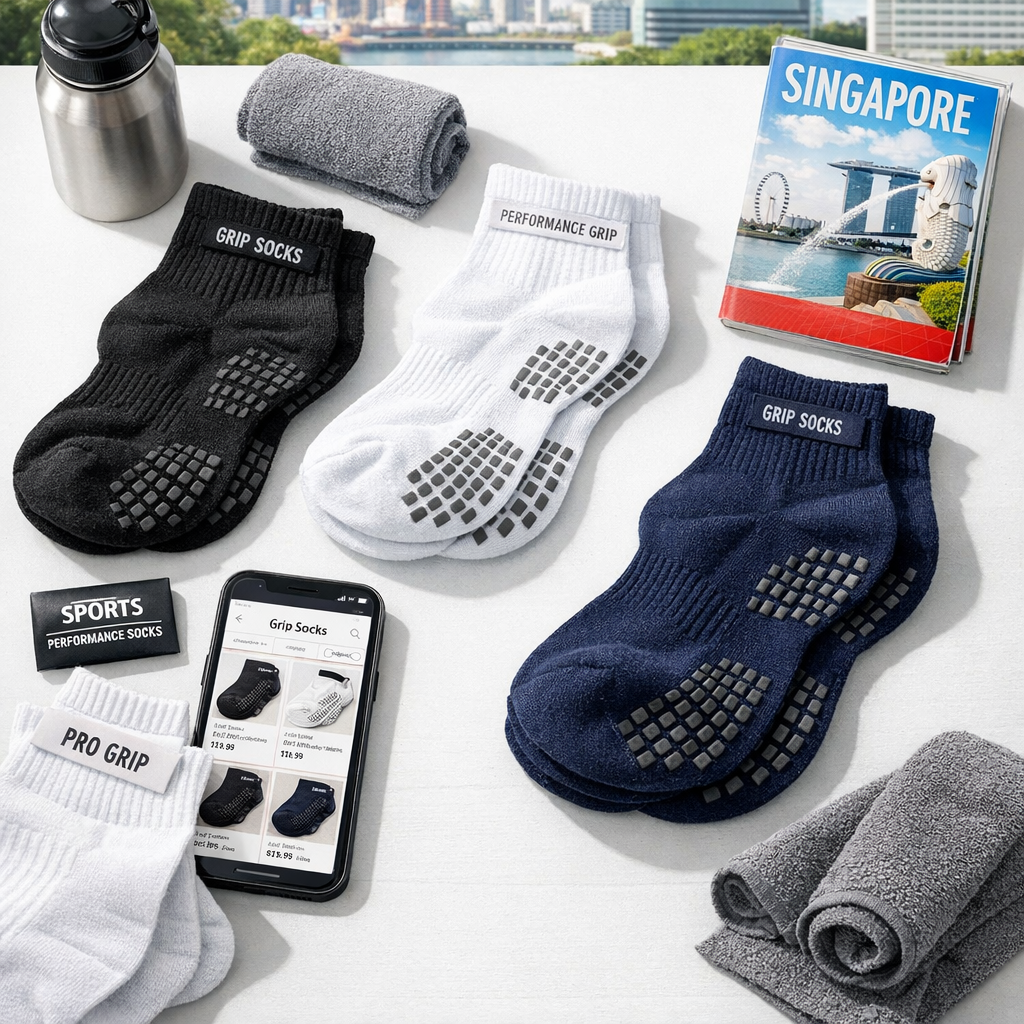
Grip Socks in Singapore: How to Choose and Buy for Real Performance
Grip socks have moved from “nice to have” to a practical performance tool for athletes who cut, pivot, and accelerate hard. If you play futsal, football, basketball, netball, rugby, or you train in the gym or studio, reducing in-shoe slip can improve stability and confidence under pressure.
This guide explains what grip socks actually do from a sports performance perspective, how to compare options in Singapore, and how to buy smart whether you are a solo athlete or ordering for an entire team. You will also get practical testing and fit tips so your next pair supports your movement instead of distracting from it.
Why grip socks can improve performance (and when they do not)
The main job of a grip sock is simple: reduce foot movement inside the shoe. Less internal sliding can help you apply force to the ground more efficiently during quick changes of direction, especially when you stop and re-accelerate.
From a sports science viewpoint, the benefit is not “more grip on the floor” but more stability inside the shoe. When your foot shifts during a cut, you may lose time, waste energy, or feel less confident loading into the next step. Grip elements can also reduce friction hotspots when the fit is right, though poor fit can create new rubbing points.
Grip socks are not magic. If your boots are too big, your insoles do not match your arch, or your footwork mechanics are inconsistent, socks will not fix the root issue. Think of them as a small upgrade that works best alongside good sizing, sound training, and appropriate footwear.
where to buy grip socks singapore?
In Singapore, most athletes buy grip socks through one of three channels: in-store retailers, online marketplaces, or direct performance sock suppliers. The best option depends on how soon you need them, how picky you are about feel and fit, and whether you need consistent restocks for a squad.
1) Retail stores for quick, in-person sizing
Physical sports retailers and specialty shops are useful when you want to feel the fabric, compare thickness, and confirm sizing on the spot. This is especially helpful if you are switching from regular crew socks to a tighter performance fit, or if you have specific preferences around cuff height and cushioning.
In-store buying also reduces the risk of getting an unexpected knit density or a grip pattern that is not suited to your sport. The downside is a narrower range of options compared with online, especially if you are looking for specific compression levels or grip coverage layouts.
2) Online marketplaces for variety (with extra checks)
Online platforms offer broader selection and convenience, which matters when you are replacing socks mid-season or trying different grip patterns. Delivery can be fast, but photos can hide important details like yarn blend, thickness, and true grip tackiness.
When buying online, pay close attention to authenticity, material specifications, and return policies. Grip socks vary widely in performance, and the difference often shows up after a few sweaty sessions and washes rather than on day one.
3) Direct suppliers for teams, clubs, and bulk orders
If you manage a team, a direct supplier route is often the most reliable: consistent sizing runs, dependable restocks, and bulk pricing. It also allows customisation such as team colours, numbers, initials, and logos, plus sport-specific grip placement.
A dedicated supplier should be able to advise on lead times, minimum order quantities, wash durability, and how compression and yarn blends affect fit. Some teams in Singapore explore providers such as Nextwave Socks for custom runs, but the key is choosing a supplier that can deliver consistent quality and repeatable sizing across the squad.
What to look for in high-performance grip socks
Not all grip socks perform the same, even if they look similar online. The best approach is to evaluate features that influence traction, comfort, and durability in Singapore’s humid conditions.
Grip layout and traction zones
Grip placement affects how stable you feel during cuts. Many athletes benefit from coverage under the forefoot and heel, plus edge traction that helps during lateral pushes.
- Forefoot grip supports hard braking and explosive re-acceleration.
- Heel grip
- Edge traction
Sport matters here. Futsal and court sports often reward stronger lateral grip, while field sports may prioritize a balanced layout that stays comfortable over longer match durations.
Cushioning placement and boot feel
Cushioning is not just about softness. Strategic padding can reduce pressure points, but too much bulk can change your boot fit and reduce touch and control.
Look for cushioning that matches your needs: targeted padding at the heel and forefoot for impact, with a lower-bulk midfoot if you prefer a close boot feel. If your boots are already snug, a thinner performance sock may be the better option.
Arch support, compression, and “stay-put” fit
An effective grip sock should feel secure without cutting off circulation. Light to moderate compression through the arch can reduce bunching and improve perceived stability inside the shoe.
- Arch band to minimize internal sliding and fabric folding.
- Secure cuff that stays up without digging into the calf.
- Anatomical shaping (left and right fit) for better alignment and comfort.
If you regularly feel the sock twisting inside your boot, prioritize structure and fit over “extra sticky” grip. A stable base layer usually beats aggressive grip on a poorly fitting sock.
Moisture management for humid training
Singapore’s humidity matters. When feet sweat, friction and slip can increase, which is exactly what you are trying to control.
Choose materials designed to wick moisture and dry reasonably fast. Ventilation zones can help, but they should not compromise the sock’s structure in high-wear areas like the forefoot and heel.
Durability after repeated washes
Performance claims mean little if grip elements peel, flatten, or lose tack after a short cycle of training. Durability is influenced by knit density, reinforcement at the toe and heel, and how the grip material is bonded to the sock.
As a quick check, look for reinforced toe and heel and a grip pattern that looks integrated rather than loosely applied. For teams, durability is a cost and consistency issue across the season, not just a comfort preference.
Key takeaway: The best grip sock is the one that stays stable in your boot, manages sweat, and holds its shape and grip after repeated washes.
Practical buying tips for athletes and teams
Grip socks are easiest to evaluate with a simple process. You are not just buying “a sock,” you are tuning how your foot interfaces with your insole and footwear.
For individual athletes
- Measure and match sizing carefully using the seller’s chart, not only your usual shoe size.
- Test with your real setup (your usual boots, insoles, and lacing pattern) because grip effectiveness depends on the whole system.
- Do a movement check: short accelerations, lateral shuffles, and deceleration reps. Notice whether your toes slide forward or your heel lifts.
- Track hot spots after a full session. Good grip should reduce slip without creating new rubbing areas.
For teams and clubs
Team orders add complexity: different foot shapes, frequent washing, and the need for consistent restocks. Before committing to a full run, request samples or a small sizing set so players can test fit and thickness in their own boots.
- Confirm sizing runs and whether the socks are unisex or shaped differently across sizes.
- Ask about lead times for reorders during the season.
- Clarify minimum quantities for custom colours, logos, or numbering.
- Standardize care instructions so grip and elasticity last longer across the squad.
Most importantly, align the sock choice with your surface. Court athletes often want consistent traction during sharp lateral cuts, while grass and turf players may prioritize comfort over longer minutes and varied conditions.
Keep reading: our guide to grip socks vs normal socks, or see NXTWAVE performance grip socks.
Conclusion: a small upgrade that supports confident movement
Grip socks are not a shortcut to better agility, but they can support it by reducing in-shoe movement and improving perceived stability. When you match grip layout, cushioning, moisture control, and fit to your sport and environment, the result is a more reliable connection between foot, insole, and boot.
Whether you are buying a single pair in Singapore or sourcing for a full team, focus on what you can test: sizing accuracy, comfort over a full session, and durability after repeated washes. If you have questions or want more training-focused gear guides, share this post with a teammate and drop your experience in the comments.
Grip that’s scientifically proven.
Join 23,197+ athletes. Free worldwide shipping, up to 44% off the latest drop.

