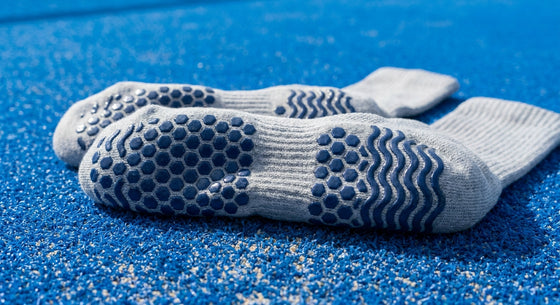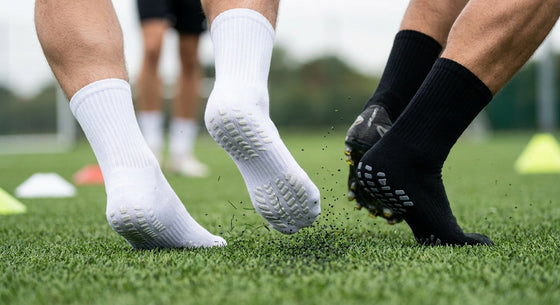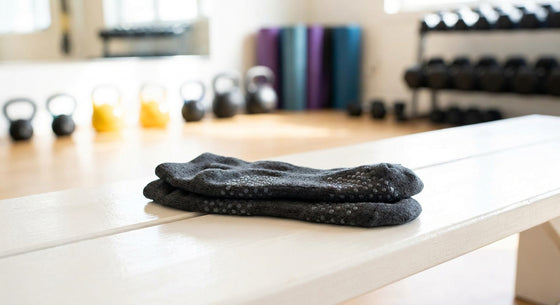
Are Grip Socks Good for Basketball Performance & Safety
Grip Socks for Basketball: Small Upgrade, Noticeable Feel
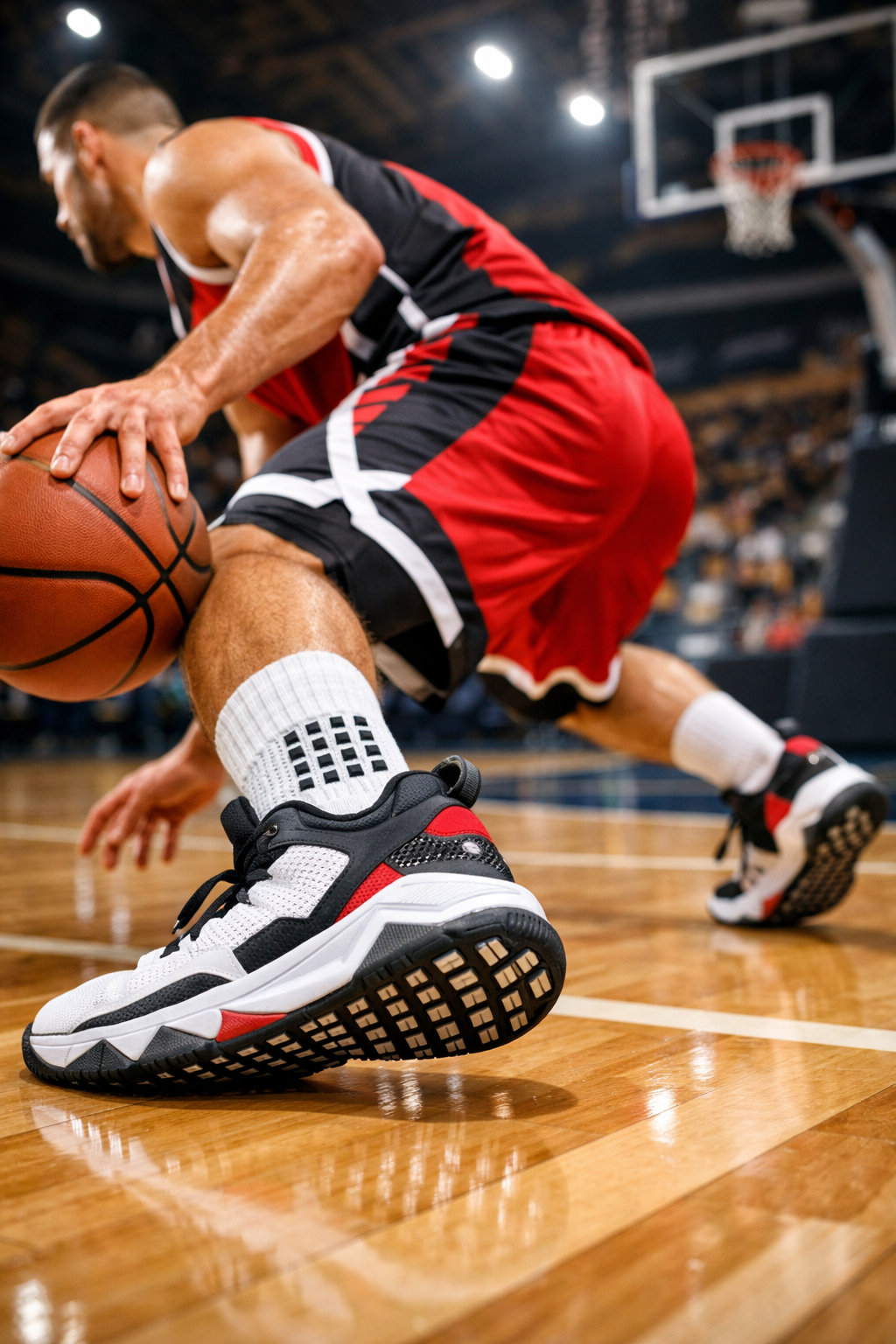
Basketball is a game of quick decisions, quicker feet, and constant changes of direction. Many athletes focus on shoe traction with the floor, but an often-overlooked detail is traction inside the shoe. That is where grip socks come in: they are designed to reduce in-shoe slippage so your foot stays more connected to your footwear during cuts, stops, and takeoffs.
This article breaks down what grip socks do, how they can influence on-court performance, what they can and cannot do for injury prevention, and how teams and individual athletes can test them in a practical way. The goal is education, not hype, so you can decide if they fit your performance system.
Why in-shoe slippage matters in basketball
Basketball shoes provide traction against the court, but that is only one part of the movement chain. If your foot slides even slightly inside the shoe, force transfer can feel delayed or “mushy,” especially when you need instant responsiveness. Over a full practice or game, that small movement can also create hot spots that change how you run, cut, and land.
In-shoe slippage tends to show up most when players are fatigued, sweaty, or wearing shoes that are slightly roomy or broken in. It is rarely dramatic, but it can be constant. Grip socks aim to reduce that internal movement by increasing friction between the sock and the shoe’s insole.
How grip socks can affect court performance
Grip socks do not replace good shoes or elite footwork, but they can improve the “lockdown” feeling athletes describe when their foot stays planted over the midsole. When the foot is more stable inside the shoe, many players report a more consistent sense of where pressure is being applied. That can matter in moments that demand precise foot placement.
Movements where athletes often notice the difference
- Lateral cuts and defensive slides: Less foot shifting can reduce hot spots and help athletes stay aggressive on angles.
- Jump stops and landings: A more secure platform can support body control, especially during crowded paint finishes or rebounds.
- First-step acceleration: A stable foot inside the shoe can help power translate more efficiently into the floor through the shoe.
A useful way to think about grip socks is consistency. The goal is not to create “extra bounce,” but to reduce unwanted variability in how your foot sits and moves inside the shoe from rep to rep.
are grip socks good for basketball?
For many players, the answer is “often, yes,” especially if you notice sliding, blisters, or a less secure feel during high-tempo runs. Grip socks can be a meaningful upgrade when they reduce internal movement without changing the shoe fit in a negative way. They tend to feel most helpful during long practices, tournament weekends, or late-game possessions when fatigue makes technique harder to maintain.
That said, players in perfectly fitting shoes who already feel fully locked in might describe the change as subtle. In that case, grip socks may still help with comfort and blister reduction, but they may not feel like a dramatic performance boost. The best approach is to test them during practice with game-speed cuts, not just warmups.
Injury prevention: what grip socks can and cannot do
Grip socks are not a medical device, and they should not be treated as an injury “solution.” However, they may support injury prevention indirectly by improving perceived stability and reducing friction. When athletes feel more secure, they may move with more confident mechanics and fewer hesitation steps.
Potential benefits that make sense biomechanically
- Less friction and fewer blisters: Reduced sliding can mean less rubbing at the heel, arch, and forefoot.
- Better perceived stability: Feeling planted can help athletes commit to cuts and decelerations more cleanly.
- Reduced risk of losing footing inside the shoe: Less internal shift may lower the chance of landing in an awkward foot position.
What they cannot do is replace fundamentals like ankle and hip strength, proper landing mechanics, and appropriate recovery. If an athlete is repeatedly rolling ankles or dealing with persistent foot pain, the priority should be evaluation, rehab, and footwear fit assessment. Grip socks are best viewed as one tool in a broader performance system.
Key features to look for in basketball grip socks
Not all grip socks are constructed the same, and performance differences often come down to practical details. Teams evaluating options should think like equipment managers: durability, consistency, and athlete comfort matter as much as “grip.” If you are testing multiple pairs, wash them the same way and compare feel after several sessions.
- Grip placement and durability: Look for tread under the forefoot and heel that stays effective after repeated washes.
- Compression and support: An arch band and structured heel can reduce bunching and help maintain fit.
- Moisture management: Breathable zones can limit sweat buildup, which can contribute to slipping.
- Cushioning profile: Enough padding for impact, but not so much that the shoe becomes overly tight.
- Consistent sizing: Too large reduces grip effectiveness, while too small can restrict movement and irritate the foot.
If you want a deeper dive into how footwear traction and internal fit affect change-of-direction demands, the NSCA education resources are a useful starting point for strength and conditioning context. For foot and ankle anatomy and common overuse considerations, the AAOS OrthoInfo library offers accessible explanations.
Fit matters: pairing grip socks with the right basketball shoes
Grip socks work best when shoe fit is already close to ideal. If a shoe is too big, a thicker sock can temporarily mask the issue, but it may also change how your foot sits in the toe box and alter your feel for the floor. In most cases, correct sizing and smart lacing do more for performance than any accessory.
A simple fit checklist before you judge performance
- Check heel hold: Your heel should feel secure during hard decelerations and quick backpedals.
- Assess toe room: You want space to splay slightly, but not so much that the foot slides forward.
- Test at game speed: Do 3 to 5 hard cuts, jump stops, and closeout steps, then reassess comfort.
- Monitor hot spots: Any rubbing is a clue that something is moving that should not be.
Also consider that grip socks can change the “volume” inside the shoe. If your shoes already fit tightly, a high-cushion grip sock may make the setup feel cramped. That is why testing during practice is always smarter than debuting a new sock on game day.
Who benefits most from grip socks?
Grip socks can be useful for many players, but certain roles and scenarios tend to highlight their value. Athletes who are always changing speed and direction are more likely to notice internal slippage and appreciate a more connected feel. Teams with frequent practices may also see more benefit because sweat and fatigue increase internal movement over time.
- Guards and wings who rely on repeated cuts, hesitations, and defensive slides
- Athletes returning from minor ankle instability who want extra confidence alongside rehab work
- High-volume teams practicing often, where moisture and fatigue can increase in-shoe movement
- Players prone to blisters or hotspots who want to reduce friction during long sessions
Practical takeaways for teams and individual athletes
For individual athletes, treat grip socks like any performance variable: test, track, and decide. Use them in practice first, pay attention to foot temperature, sweating, and any new pressure points, then compare how you feel during late-session fatigue. If you still feel sliding, reassess shoe size, lacing, and insole condition rather than assuming socks are the missing piece.
For teams, consistency matters. Standardizing sock specs such as height, cushioning level, and grip layout can reduce distractions and help athletes get a predictable feel across the roster. Some programs keep an approved “uniform spec” and allow subtle customization for identification and compliance; providers like Nextwave Socks may support that process, but performance should stay the priority over aesthetics.
Key takeaway: Grip socks can improve in-shoe traction and comfort, which may help athletes feel more stable and responsive, especially under fatigue. They work best when shoe fit, strength training, and movement mechanics are already dialed in.
Conclusion: a small detail that can support high-performance habits
Grip socks are not a shortcut, but they can be a smart upgrade for basketball players who want a more consistent connection between foot, sock, and shoe. When internal slippage decreases, athletes often report better lockdown, fewer hot spots, and a steadier feel in cuts, stops, and landings. The biggest gains usually come when grip socks are paired with proper shoe fit, good strength work, and sound movement mechanics.
If you have tested grip socks in practice, share what you noticed and what movements felt most different. For teams exploring consistent sock specs or custom options, you can learn more here: are grip socks good for basketball?
Grip that’s scientifically proven.
Join 23,197+ athletes. Free worldwide shipping, up to 44% off the latest drop.
Shop grip socks →