Grip Socks Football: Essential for Soccer Players 2024
Grip Socks in Soccer: The Small Upgrade That Changes How You Move
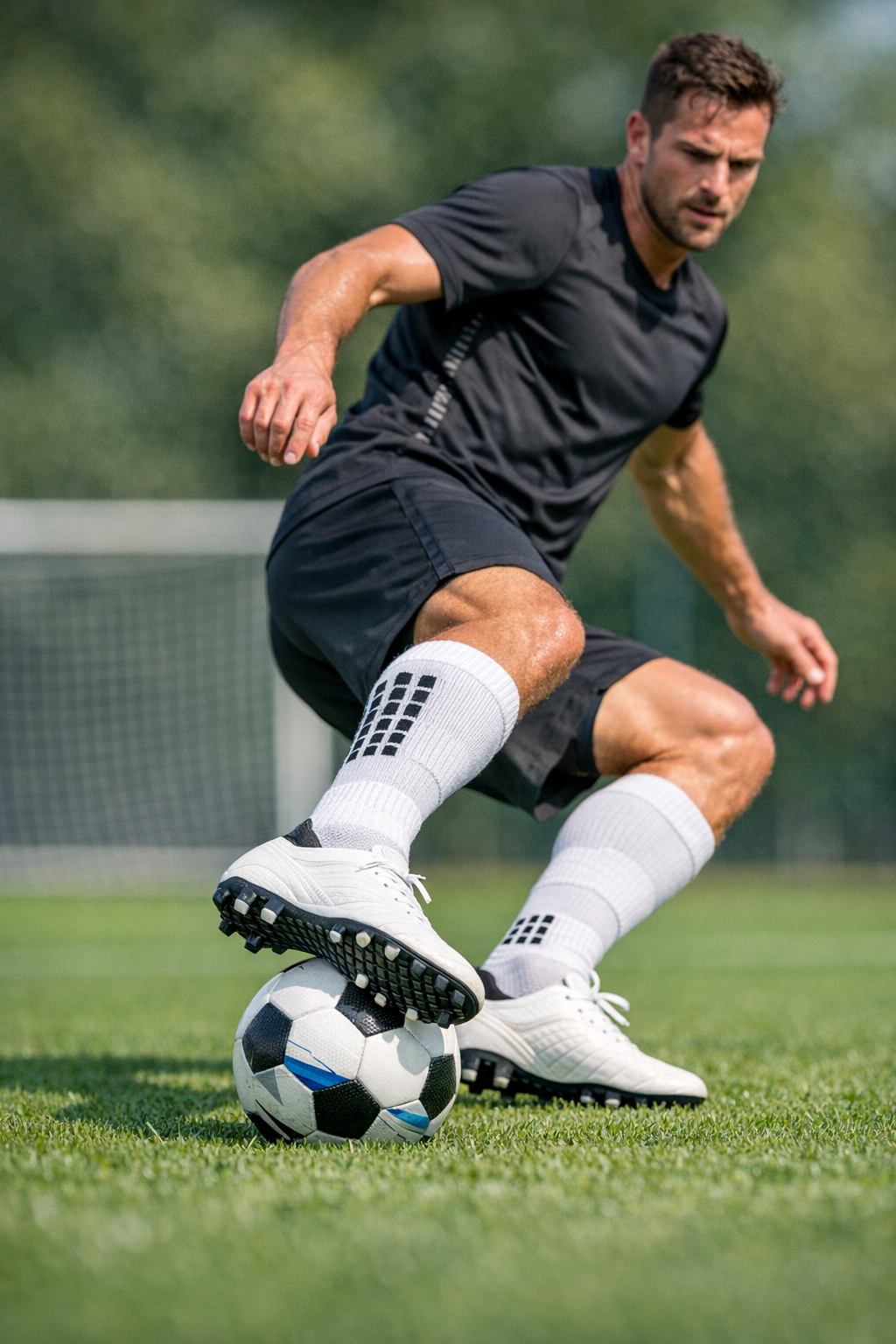
Soccer in 2024 is defined by speed, sharp angles, and repeated high-intensity efforts. Players accelerate and decelerate more often, cut harder, and ask more from their boots than ever before. That is why grip socks have shifted from a “nice-to-have” accessory to a practical piece of performance kit.
This article breaks down the sports science behind grip socks, what problems they solve, and how teams and athletes can choose the right pair. The goal is simple: help you reduce foot movement inside the boot so you can improve comfort, confidence, and consistency in every sprint, tackle, and turn.
Why grip socks are trending in 2024
Modern soccer boots are engineered to be lightweight and responsive, but that can sometimes reduce the “locked-in” feel players want. Small amounts of internal foot movement can cost energy, disrupt touch, and create friction that turns into hotspots and blisters. When the game is decided by inches, tiny inefficiencies add up.
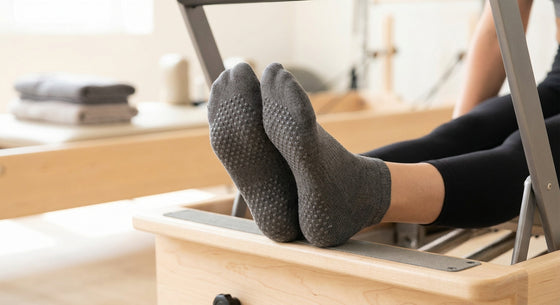
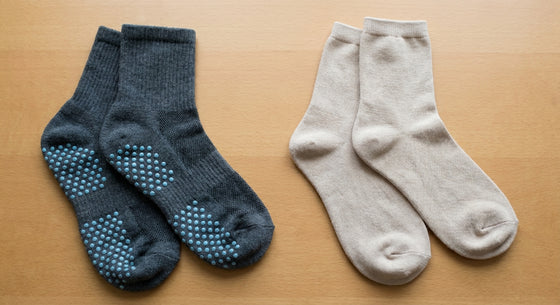
Grip socks focus on traction inside the boot, not just on the turf. By using grip zones under the forefoot and heel, they help the foot stay positioned where it should be during quick starts, sharp cuts, and hard stops. That stability is why many programs now treat grip socks like baseline equipment rather than an optional add-on.
What grip socks actually do inside the boot
Most performance conversations focus on stud pattern and outsole traction, but internal traction matters too. If your foot slides even slightly when you plant, you can lose time transferring force into the ground. You may also feel less precise when striking or receiving the ball because the foot is not “set” in the same spot each contact.
Grip zones create friction between sock and insole so the foot does not drift forward, sideways, or lift at the heel. This can be especially noticeable during wet sessions, when insoles are swapped, or when lacing patterns change. The goal is not to glue your foot in place, but to reduce unnecessary movement that wastes energy.
Performance impact: acceleration, cutting, and touch
In soccer, changing direction is a repeated “plant and go” problem. If the foot slides during a cut, the body often compensates by tightening up or taking shorter steps, which can reduce explosiveness. A more stable base can support quicker re-acceleration and cleaner movement mechanics.
Touch can benefit too, especially under fatigue. When the foot stays consistent in the boot, the strike surface stays more predictable. Over dozens of passes and receptions, that consistency can help maintain control when legs get tired.
why are grip socks good for soccer?
They are good for soccer because they address two constant issues: internal slippage and confidence during rapid changes of direction. Players rarely notice a perfect fit, but they immediately notice when the foot shifts during a hard plant or when a blister starts forming mid-session. Grip socks aim to reduce both problems at the source.
They can also simplify preparation. When you trust your setup, you spend less time adjusting laces, adding tape, or worrying about hotspots. That mental “quiet” matters in high-performance environments where focus is a competitive advantage.
Comfort and blister reduction: the injury-prevention angle
Many blisters come from friction and repeated shear forces, especially in preseason, tournament weekends, and high-volume training blocks. If the foot slides inside the boot, skin layers experience more rubbing at the heel, arch, toes, and along the edges of the forefoot. Grip socks help by reducing the sliding that creates those friction hotspots.
While no sock can prevent every issue, reducing internal movement can lower the likelihood of recurring blister zones. That often means fewer disrupted sessions, fewer mid-game fixes, and better overall training continuity. For players managing ankle or lower-leg history, improved stability at the foot interface can also feel more supportive during planting and pivoting.
Why teams are standardizing grip socks
For teams, the benefit is not just individual performance, but reliability across the roster. When athletes use consistent sock setups, staff deal with fewer equipment distractions like emergency tape jobs, mid-match sock changes, and repeated blister complaints. Small preventable issues can steal time from training and recovery.
Standardization also helps with uniform requirements, especially when programs use custom colors or numbering. Some teams choose to work with providers such as Nextwave Socks for custom options, mainly to keep presentation consistent while maintaining performance features. The key is ensuring that customization does not compromise fit, grip layout, or durability.
Material and construction upgrades that matter
2024 feels like a tipping point because grip socks have improved in the details: better knits, stronger grip patterns, and more thoughtful cushioning. Many pairs now blend targeted compression with breathable panels and reinforced heel and toe zones. These upgrades matter because a grip sock that loses structure or grip after a few washes stops being a performance tool.
Moisture management is another major factor. Sweat and wet conditions can increase slippage and skin friction, so breathable knits and effective yarn blends are not just “comfort features.” They directly influence whether the sock performs late in a session.
How to choose grip socks for training and match play
The best grip sock is the one you forget about because it stays comfortable and consistent. Use the checklist below to dial in the right pair for your foot shape, boot model, and training demands. If possible, test them in a high-intensity session before relying on them in a match.
- Fit: Snug through the forefoot and heel without numbness or tingling. If toes feel compressed, sizing may be too small.
- Grip placement: Prioritize grip under the forefoot and heel where most planting and braking forces occur.
- Breathability: Look for ventilation zones for long sessions and hot climates to reduce sweat buildup.
- Arch support: Light structure can feel more stable, but too much compression can be distracting.
- Durability: Grip should remain effective after repeated washes, not peel or flatten quickly.
- Cuff height and compatibility: Ensure the sock integrates well with your preferred match sock system and shin guard setup.
A simple on-field test for internal slippage
- Warm up normally and note if you feel any heel lift or toe jamming during deceleration.
- Perform 5 hard cuts each direction at near game speed and pay attention to foot movement inside the boot.
- Do 3 short sprints with aggressive stops and assess whether you feel more “connected” to the ground.
- Check your skin after training for early hotspots, especially around heel and forefoot edges.
Common mistakes players make with grip socks
One mistake is using grip socks to “fix” a poorly fitting boot. If the boot is too long, too narrow, or unstable in the heel, socks can only do so much. Another mistake is choosing a pair that is overly tight, which can cause numbness and reduce proprioception, the body’s awareness of foot position.
Players also sometimes overlook care instructions. High heat drying can reduce elasticity and degrade grip elements over time. Treat grip socks like performance gear and they are more likely to remain consistent over a long season.
Key takeaway: Grip socks are most valuable when they reduce internal foot movement just enough to improve stability and comfort without changing how you naturally move.
Conclusion: stability is a performance baseline
Grip socks have become essential in soccer because they solve a small but persistent problem: foot movement inside the boot. Less slipping can mean fewer blisters, more confident cuts, and more consistent touch under fatigue. In a faster game with tighter margins, that added stability is increasingly viewed as standard equipment.
If you have been dealing with hotspots, heel lift, or a “floating” feeling during changes of direction, experimenting with grip socks is a practical next step. Share your experience or questions with your teammates and staff, and explore more resources here: why are grip socks good for soccer?.
Grip that’s scientifically proven.
Join 23,197+ athletes. Free worldwide shipping, up to 44% off the latest drop.
Shop grip socks →