
Are Grip Socks Good for Soccer? Football Performance Guide
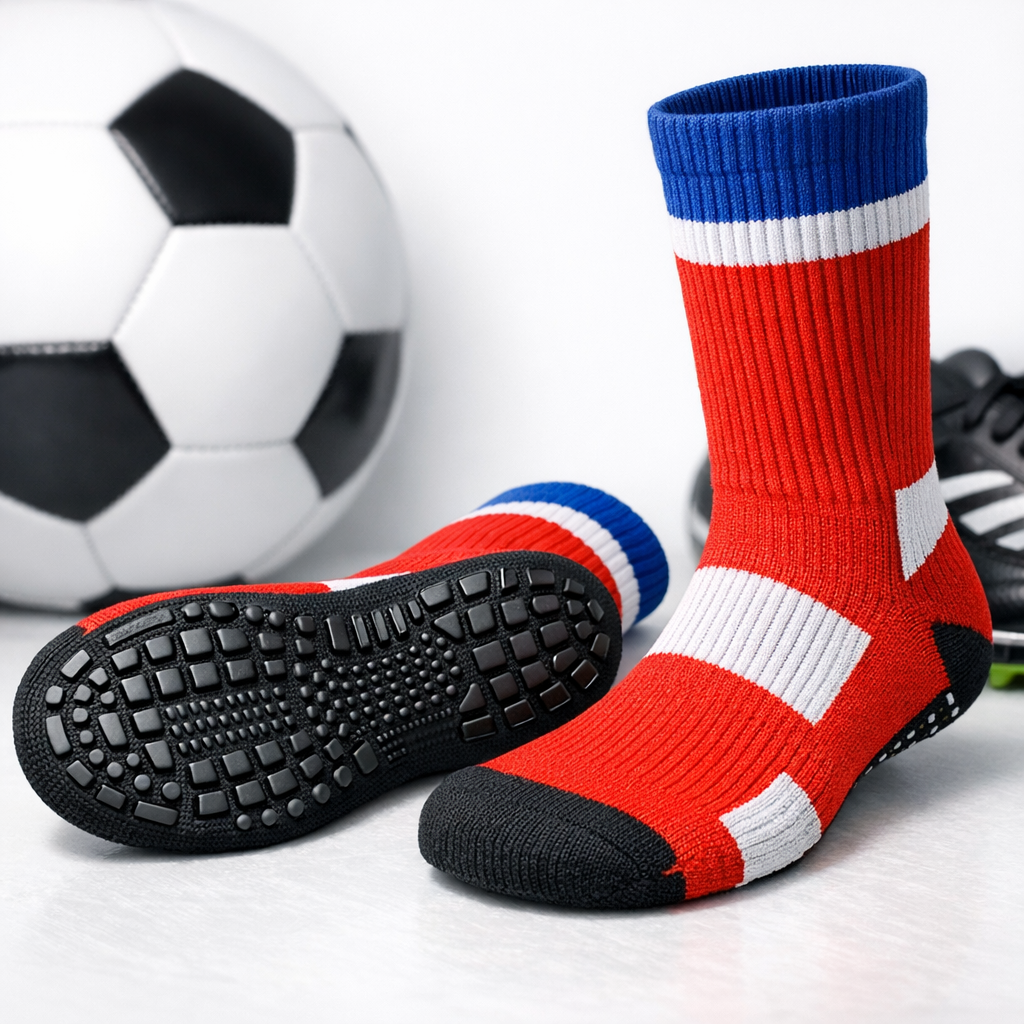
Grip Socks in Soccer: Stability, Comfort, and Performance in the Boot
Grip socks have moved from a niche accessory to a normal part of many soccer kits, showing up everywhere from youth academies to professional locker rooms. The reason is simple: they address a real performance issue that many players experience without naming it, foot slippage inside the boot. Even small internal movement can reduce efficiency during sprinting, cutting, pressing, and deceleration.
This article breaks down what grip socks do, why they can help, when they might not be necessary, and how to test them in real match conditions. The goal is to help teams and individual athletes make a smart decision based on sports science basics, comfort, and fit, not hype.
Why foot slippage matters in soccer performance
Soccer movements are rarely straight-line. Most actions involve repeated accelerations, sharp cuts, pivots, and quick stops, often under contact pressure. If the foot slides within the boot during these moments, a portion of your force is lost before it reaches the ground.
That “micro-slip” can also increase friction between the foot, sock, and insole. Over time, friction becomes heat, and heat becomes hot spots and blisters. For players in congested schedules, weekend tournaments, or double-day training, this can shift from a minor annoyance to a real availability problem.
How grip socks work inside the boot
Grip socks are designed to improve traction inside the boot by using silicone or rubberized grip elements on the sole. Instead of relying only on tightness to keep the foot stable, the grip pattern helps “lock” the sock to the insole. This can make the foot feel more connected to the boot, especially during high-intensity direction changes.
In sports science terms, better in-boot traction can support more consistent force transfer. When the foot is stable at contact, athletes often report feeling more confident planting, pushing off, and striking the ball. That confidence matters because hesitation can subtly reduce speed and decisiveness in 50 50 moments.
Who tends to notice the biggest difference
Not every position experiences the same movement demands. Players whose roles require repeated explosive changes of direction usually feel grip sock effects the most. That does not mean other positions cannot benefit, but the performance signal is often stronger for certain roles.
- Wingers and fullbacks who rely on rapid accelerations and hard stops near the touchline
- Midfielders who pivot, scan, and re-accelerate constantly in tight spaces
- Defenders who need secure footing during tackles, recoveries, and lateral shuffles
- Goalkeepers who drive off the planted foot during dives and quick set movements
are grip socks good for soccer
The best answer is: they can be, when they solve your specific problem. If you feel your foot sliding in the boot during cuts or if you regularly finish sessions with hot spots, grip socks are often a practical upgrade. If your boots already fit extremely snug and your foot feels fully stable, the improvement may be smaller.
It is also important to define what “good” means. For some athletes it means faster, cleaner changes of direction. For others it means fewer blisters, better comfort late in matches, or more consistent footing in slick conditions. The right benchmark is whether you feel more stable without creating new pressure points.
Comfort and foot health: the overlooked performance layer
Traction gets the spotlight, but sock construction is what determines whether grip socks feel supportive or distracting. A well-built sock manages moisture, reduces friction, and maintains comfort across the full session. This matters because discomfort often changes mechanics, even if you do not notice it right away.
When evaluating grip socks, look beyond the grip dots or strips. Yarn quality, breathability zones, arch support, cushioning placement, and seam construction all influence how the sock interacts with your foot under load. A sock can have strong grips but still perform poorly if it traps sweat or creates rubbing at the toes.
Key construction features to pay attention to
- Moisture management to reduce sweat pooling that can increase friction
- Targeted cushioning at heel and forefoot without feeling bulky in tight boots
- Arch support that feels stable rather than restrictive
- Seam placement that avoids toe irritation during repeated sprints and braking
- Reinforced heel and toe for durability during training volume
Key takeaway: Better grip is useful, but the best performance outcome is often reduced friction and consistent comfort across the whole match.
When grip socks might not help, and what to watch for
Grip socks are not automatically better in every situation. In very snug, modern boots, adding high friction inside the boot can feel restrictive. Some athletes prefer a small ability to “settle” the foot during play, and too much grip can make micro-adjustments feel harder.
Boot fit and insole materials matter a lot. In slightly roomier boots or in boots with slick insoles, grip socks can reduce movement immediately. If you use ankle braces or tape, grip socks may add perceived stability, but they can also create new pressure points where materials overlap.
Common signs you should reassess the setup
- Numbness or tingling that appears mid-session
- New hot spots in areas that were previously fine
- Heel lift that still occurs despite the grips
- Overly “stuck” feeling that affects comfort or touch
Team perspective: consistency across training and match congestion
For teams, the biggest benefit is often consistency. When a whole squad uses socks that reduce slippage and help manage blister risk, fewer players are limited by foot pain during heavy weeks. This can be meaningful during tournaments and congested fixtures where small issues accumulate.
If a club is considering custom grip socks, prioritize performance details over aesthetics. Practical decisions include durable grip material, proper sizing ranges, reinforced zones, and compliance with kit requirements. If you are exploring custom options, some providers such as Nextwave Socks offer team oriented builds, but the performance checklist should remain the same no matter who makes them.
For more background on blister prevention and friction management, it can help to review general sports medicine guidance from a credible source like the National Library of Medicine resources. Understanding the mechanism makes it easier to spot the right solution for your situation.
How to test grip socks the right way
The simplest approach is a real-world trial instead of guessing in your bedroom. Use them in one high-intensity training session and one match, ideally on the same surface you usually play on. During the test, focus on how your feet feel during the hardest moments: repeated sprints, pressing sequences, and late-game fatigue.
- Start with your current boots and insoles so you isolate the sock variable.
- Monitor in-boot movement during cuts, deceleration, and lateral shuffles.
- Check for pressure points around toes, arch, and Achilles after the session.
- Evaluate post-play comfort by noting hot spots, redness, or blister formation.
- Repeat in a match to see if the feel holds under full intensity and stress.
If you feel more stable, experience fewer hot spots, and remain comfortable through the final minutes, grip socks are likely a worthwhile part of your setup. If you feel restricted or develop new irritation, adjust the sock thickness, boot fit, or consider whether you actually needed more in-boot friction in the first place.
Keep reading: our guide to grip sock rules in football, or see football grip socks.
Conclusion: a small gear choice that can support big moments
Grip socks are popular in soccer because they target a genuine performance limiter: internal foot movement. By improving traction inside the boot, they can help some players feel more locked-in during explosive actions and reduce friction that leads to blisters. The highest value comes when grip, comfort, and fit work together rather than competing.
If you have been wondering whether to try them, run a simple two-session test and let your feet give you the answer. If you want to explore team options or learn more about sock construction for performance, take a look at are grip socks good for soccer and share your experience with your teammates, coaches, or in the comments.
Grip that’s scientifically proven.
Join 23,197+ athletes. Free worldwide shipping, up to 44% off the latest drop.


