Why Wear Grip Socks for Performance & Injury Prevention
Grip Socks and Athletic Performance: The In-Shoe Advantage in 2024
In 2024, grip socks have moved from “optional” accessory to a piece of training gear many athletes take seriously. The shift is not about style or trends. It is about improving how your foot interacts with your shoe during high-speed sport.
This article breaks down the sports science behind grip socks, what problems they solve, and how teams and individual athletes can use them to improve performance and reduce common foot issues. The goal is simple: help you make better decisions on match day and in training.
Why grip socks are showing up across sports
From football and soccer to basketball, volleyball, tennis, lacrosse, and functional training, grip socks are being adopted for one main reason: they address instability that happens inside the shoe. Most athletes focus on outsole traction, but many performance losses start at the foot–insole interface.
When the foot slides even a few millimeters during cuts, braking, and acceleration, force transfer becomes less efficient. That internal movement also increases skin friction, which contributes to hotspots and blisters during longer or repeated sessions.
why wear grip socks?
The simplest answer is traction, but not the traction most athletes think about. Grip socks increase friction between your sock and the insole, helping the foot feel more “connected” to the shoe. That connection can matter most when you are fatigued, changing direction at speed, or reacting to contact.
Better in-shoe traction can also reduce the tendency to “claw” with the toes to create stability. Over-gripping can contribute to early fatigue in the foot and lower leg, especially in sports with repeated sprint and cut demands.
The performance mechanism: force transfer that does not leak
Every time you plant, decelerate, or re-accelerate, your body is trying to send force into the ground. If the foot slides inside the shoe, some of that force is absorbed by movement that does not help you change direction. Think of it as energy that leaks before it reaches the playing surface.
Grip socks aim to reduce that micro-slippage. The result is often described as a more stable cut, a cleaner stop, and a quicker first step out of a change-of-direction moment. While the gains can be subtle, they can add up over hundreds of high-intensity actions.
Where athletes notice it most
- Hard braking and deceleration (when the foot wants to slide forward)
- Sharp cuts and pivots (when rotational forces increase)
- Repeated accelerations (when heel lift can show up under fatigue)
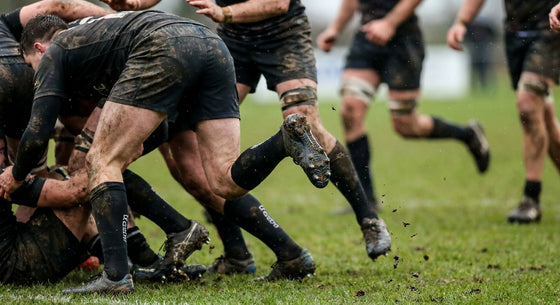
- Reactive movement on variable surfaces (turf transitions, dusty courts, damp grass)
Blisters, hotspots, and the hidden cost of friction
Blisters are not just a comfort issue. They can change running mechanics, reduce training quality, and limit reps in practice, especially during tournaments and camps. They often start with shear forces, which rise when skin repeatedly rubs against fabric or when the foot slides inside the shoe.
By limiting internal movement, grip socks can reduce the friction cycle that leads to hotspots. They are not a guarantee against blisters, but they can remove one of the most common contributors: in-shoe slippage made worse by sweat and heat.
Why sweat matters for traction
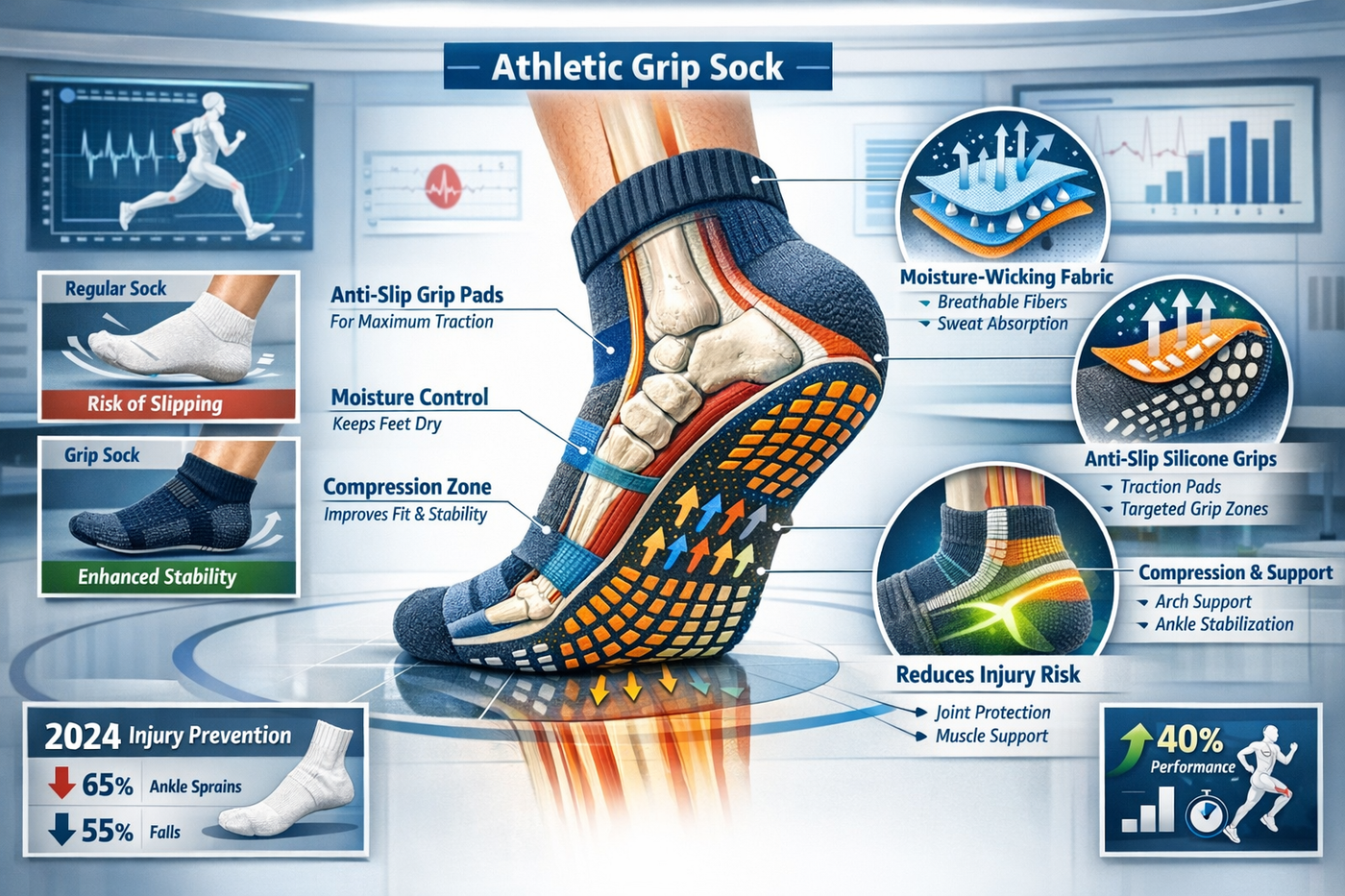
Moisture can turn the in-shoe environment slick, reducing sock-to-insole friction. That is why sock material and ventilation are performance variables, not just comfort features. Breathable fibers and well-placed ventilation zones can help manage sweat so traction stays consistent deeper into a session.
If you want a deeper look at blister prevention basics, the NCBI overview on friction blisters provides a helpful medical explanation of how shear and moisture contribute.
Stability and injury risk: what grip socks can and cannot do
Grip socks are not a replacement for strength training, mobility work, or properly fitted footwear. They will not “fix” weak ankles or poor landing mechanics on their own. What they can do is reduce instability caused by the shoe environment, which can support more consistent movement execution.
Deceleration and landing are moments when ankle and knee loads tend to spike. If your foot is sliding inside the shoe during these high-load positions, your body may need to make faster, less efficient corrections. A more stable foot–insole relationship can help simplify the task of controlling joints above the foot.
Proprioception: the “feedback” element in 2024 discussions
Another reason grip socks get attention is proprioception, your sense of body position and movement. When the foot feels secure rather than sliding, athletes often report better feedback during rapid reactions. That can translate into more confidence on cuts and faster adjustments when surfaces change.
This is not magic, and it is not identical for everyone. But a stable interface can reduce “noise” in the system, letting your brain interpret pressure and movement more clearly during fast sport actions.
What to look for in grip sock construction
Not all grip socks are built the same. Design details can influence whether the sock stays comfortable, maintains traction, and holds up through repeated use. The best options typically balance grip placement with flexibility so your foot can move naturally without sliding.
Here are the main characteristics that tend to matter most for athletes and teams.
Key features that influence performance
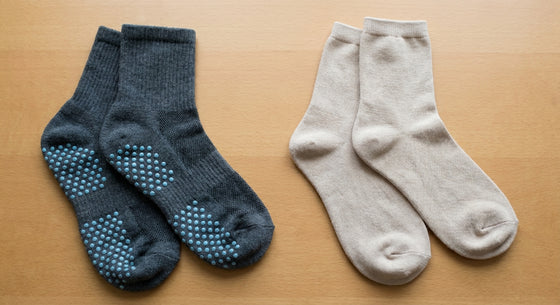
- Grip placement that supports high-load areas without making the sock feel stiff
- Moisture management through breathable fibers and ventilation zones to reduce sweat-driven slipping
- Targeted cushioning in high-impact zones for comfort without feeling “mushy”
- Arch and ankle structure that adds support while maintaining mobility
- Durability so grip and fabric integrity remain consistent after washing
Team benefits: consistency, fewer missed reps, simpler kit decisions
For sports teams, grip socks can be a practical choice as much as a performance one. When athletes experience fewer hotspots, they are less likely to modify sessions or skip reps due to foot pain. Over a season, small reductions in avoidable discomfort can make training more consistent.
Teams also benefit from standardization. When athletes wear similar sock setups, coaches and equipment staff deal with fewer individual workarounds. Some programs choose to source uniform solutions through providers such as Nextwave Socks, mainly to simplify kit management and maintain consistent quality.
How to test whether grip socks help you
If you are unsure whether grip socks are worth adding, treat it like any other performance variable: test it in training. Pay attention to when you feel heel lift, toe sliding, or instability, then see if improved internal traction changes those moments.
- Start with a high-change-of-direction session (cuts, shuttles, small-sided play) and note foot movement inside the shoe.
- Repeat the same session with grip socks and compare stability, comfort, and any hotspots afterward.
- Evaluate under fatigue late in practice, when mechanics degrade and slippage often increases.
- Track blister frequency across a tournament weekend or multi-day camp, not just one workout.
Key takeaway: Grip socks primarily help when the problem is inside the shoe. If your shoe fit is poor, start there, then use grip socks to reduce micro-slippage and friction that still shows up during fast sport.
Conclusion: a small change that can improve connection, comfort, and confidence
Grip socks have earned their place in modern training because they target a real performance bottleneck: internal foot movement that wastes energy and increases friction. By improving in-shoe traction, they can help athletes feel more stable during cuts, stops, and accelerations, while also reducing hotspots during long or repeated sessions.
If you are building a high-performance setup for 2024, consider grip socks as a complement to the fundamentals: good footwear fit, strong feet and ankles, and sound movement mechanics. If you have questions or experiences to share, add your perspective in the comments and compare notes with other athletes and teams.
Grip that’s scientifically proven.
Join 23,197+ athletes. Free worldwide shipping, up to 44% off the latest drop.
Shop grip socks →