Can Grip Socks Go in the Wash? Care Guide for Athletes
How to Wash Grip Socks (2024 Care Guide for Athletes and Teams)
Grip socks are built for performance: traction underfoot, a secure fit in the boot, and fabrics designed to manage sweat during hard sessions.
The good news is they can absolutely be laundered, but the way you wash and dry them has a direct impact on how long the grips stay tacky and how well the socks maintain compression and shape.
This guide covers updated 2024 care practices for individual athletes and kit staff, with a focus on preserving grip longevity, fit, and hygiene across a long season.
Start with the basics: what grip socks are made of
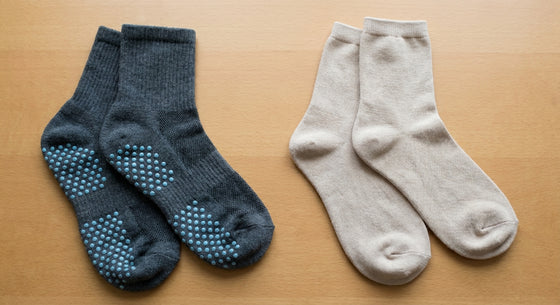
Most modern grip socks use silicone or rubberized grip elements bonded to a synthetic knit like nylon or polyester, usually with elastane for stretch and compression.
That construction is high-performance, but it is also sensitive to a few common laundry stressors: heat, harsh detergents, and abrasion.
If you treat grip socks like everyday cotton socks, you will often see faster grip cracking, peeling, or a “slick” feel that reduces traction.
can grip socks go in. the wash
Yes. Performance grip socks are designed to be washable, and washing after every use is recommended for hygiene and consistent traction.
Sweat salts, skin oils, and field debris can build up on both the fabric and grips, which may reduce friction and make socks feel less secure over time.
The key is choosing settings that clean thoroughly without baking in residue or stressing the bonding that holds grip elements in place.
The best way to wash grip socks (step-by-step)
Think of this as “protect the grips, protect the stretch.” A few small habits save a lot of wear, especially during heavy training blocks.
Use the checklist below to keep wash day consistent at home or in a team laundry room.
1) Turn them inside out before washing
Turning grip socks inside out reduces direct rubbing on the grip pads and helps sweat residues wash out of the knit more effectively.
It also helps prevent the grips from collecting lint, which can make them feel less tacky even when the grips are not actually worn out.
This is one of the simplest changes with the biggest payoff.
2) Choose cool to warm water and a gentle cycle
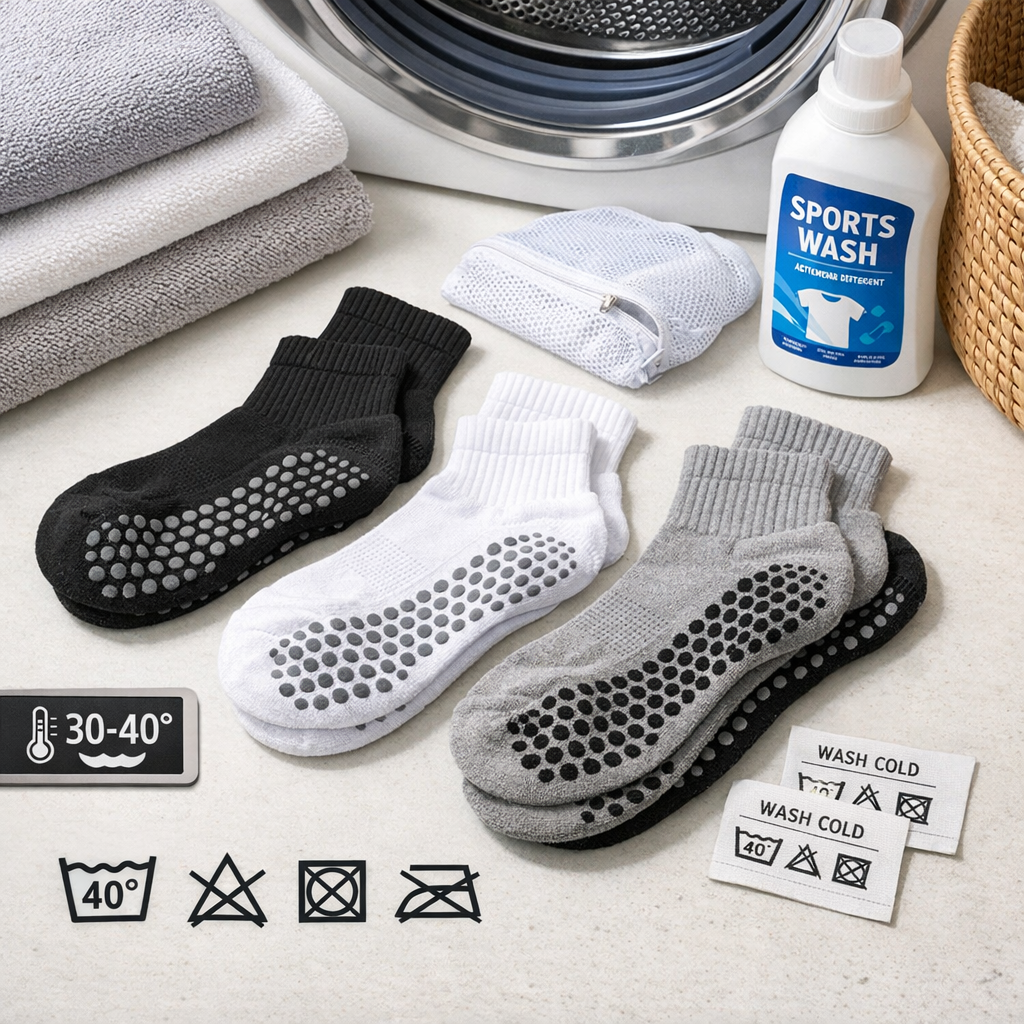
An ideal range for most performance socks is 30°C/86°F, using a gentle or synthetic cycle.
Hot water can soften adhesives, stress elastane, and encourage shrinkage, which changes fit and compression.
If your machine defaults to warmer settings, manually set temperature and reduce spin intensity when possible.
3) Use a mild detergent, skip fabric softener and bleach
Mild detergent cleans oils and sweat without leaving heavy residues or stripping fibers.
Avoid fabric softener: it can coat both fabric and grip pads, reducing friction and making grips feel “slick.”
Avoid bleach: strong chemicals can degrade elastane and weaken bonding over time, shortening the sock’s functional lifespan.
4) Use a mesh laundry bag to prevent abrasion
A mesh bag reduces friction and protects grips from snagging on zippers, hook-and-loop fasteners, and rough training gear.
This matters most in bulk loads where kit pieces tumble together, but it also helps at home if socks share a load with heavier clothing.
For teams, mesh bags per player simplify sorting and reduce lost pairs.
- Turn socks inside out.
- Place in a mesh bag.
- Wash at 30°C/86°F on gentle cycle.
- Use mild detergent and add an extra rinse if needed.
- Air-dry whenever possible.
Handling heavy sweat, mud, and odor without damaging grips
Some sessions leave socks sweat-saturated or heavily soiled, and that is where athletes often reach for hot cycles or aggressive chemicals.
Instead, focus on targeted pre-treatment and smarter detergent choices that preserve materials while still controlling odor.
This is especially relevant for multi-day tournaments where turnaround time is tight.
Pre-rinse and spot-treat rather than over-washing
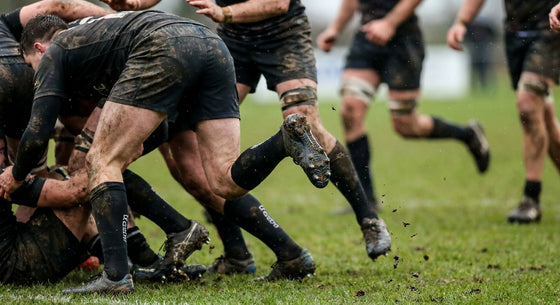
If socks are muddy or extremely sweaty, pre-rinse in cool water to remove the worst of the soil load.
Then spot-treat stains on the fabric areas rather than scrubbing the grips, which can roughen their surface or lift edges.
This approach cleans effectively while reducing mechanical damage.
Use sports-safe enzyme detergent for odor control
Enzyme detergents designed for sports fabrics can break down sweat-related residues that cause persistent odor.
They are often more effective than simply increasing temperature or adding strong additives.
If you want more detail on how sweat and skin oils interact with technical fabrics, the CDC guidance on athlete hygiene is a useful baseline for teams.
Be careful with frequent vinegar soaks
Occasional diluted vinegar use may help with odor in some cases, but frequent acidic soaks can degrade certain bonding materials over time.
If you use vinegar, keep it occasional and mild, and avoid long soaks that repeatedly stress the grip bonding.
When in doubt, prioritize enzyme detergent plus an extra rinse.
Drying: where most grip socks lose lifespan
Drying is the most common place performance grip socks take damage, because high heat affects both the grip material and the elastane that maintains fit.
Even if a wash cycle is perfect, too much heat can warp grips, stiffen or crack grip elements, and shrink fibers.
A careful dry routine keeps socks feeling “game-ready” for longer.
Best option: air-dry in shade with airflow
Air-drying is safest: lay socks flat or hang them in a shaded, ventilated area.
Direct sun can age some synthetic fibers faster, so shade is a smart default.
Avoid placing grip socks on radiators or heaters, which can concentrate heat and damage grip bonding.
If you must machine-dry, use low heat and remove promptly
When time is limited, use the lowest heat setting possible and remove socks as soon as the cycle ends.
Extended tumbling increases abrasion and heat exposure, which reduces elasticity and accelerates grip wear.
Never iron grip socks, since direct heat can deform grip elements immediately.
Key takeaway: Cool wash, mild detergent, minimal abrasion, and low-heat drying protect the two things athletes notice first: traction and fit.
Troubleshooting common grip sock problems
When performance changes, it is often a care issue rather than “worn out” grips.
Use the quick fixes below before you assume a pair is finished.
For high-minute players, small declines in traction can show up quickly during cutting and acceleration.
- Grips feel less sticky: Often detergent or softener residue. Run an extra rinse cycle and avoid softener going forward.
- Grips collecting lint: Wash inside out and avoid washing with towels or fleece-heavy items that shed.
- Peeling or cracking grips: Commonly caused by high heat drying or abrasion with rough kit. Switch to mesh bags and lower heat.
- Fabric thinning at heel or toe: Normal wear from friction and load. Track it so you are not surprised mid-season.
- Loss of compression or sagging fit: Often elastane fatigue from heat and over-drying. Rotate pairs and air-dry more often.
Team laundry protocols for consistent performance
Team environments add two challenges: volume and variability.
When wash settings change week to week or socks get mixed with heavy gear, grip longevity drops and athletes lose confidence in footwear feel.
Simple standardization improves both performance consistency and inventory control.
- Label pairs: Player-specific marking prevents mix-ups and makes wear patterns easier to track.
- Mesh bag per player: Reduces abrasion and speeds sorting after washing.
- Standardize settings: Post the default protocol near machines: inside out, 30°C/86°F, mild detergent, no softener, air-dry.
- Avoid heavy items in the same load: Hoodies and training tops increase abrasion and slow drying.
- Keep away from hook-and-loop fasteners: These can catch grips and knit, causing peeling and snagging.
When to replace grip socks
Even with perfect care, performance textiles have a lifespan. The goal is to replace on your timeline, not during a stretch of matches.
For players who rely on traction for sharp changes of direction, declining grip can affect foot stability and confidence.
If you notice peeling grips, thinning fabric in high-wear zones, or a clear drop in compression, rotate the pair to training use and phase in a replacement.
Conclusion: protect traction, protect fit, protect the season
Grip socks are washable and should be cleaned after every use, but the details matter: mild detergent, cool water, low abrasion, and low heat.
These habits help keep grips tacky, maintain a snug fit, and support sweat management through long training cycles and competition schedules.
If your team wants more educational content on performance sock design and care, Nextwave Socks often shares practical guidance alongside product development updates.
Have a team laundry tip or a question about what settings work best in your kit room? Share it with your staff or squad, and keep the discussion going here: can grip socks go in. the wash.
Grip that’s scientifically proven.
Join 23,197+ athletes. Free worldwide shipping, up to 44% off the latest drop.
Shop grip socks →