Do Grip Socks Lose Grip? Maintain Peak Performance
Do Grip Socks Lose Grip? How to Keep Traction Consistent All Season
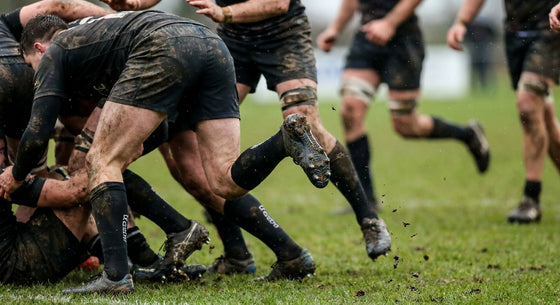
Grip socks are a small piece of kit that can make a noticeable difference in how “locked in” an athlete feels during sharp cuts, pivots, and explosive accelerations.
They are designed to increase traction inside the shoe, reducing internal foot slip so you can transfer force more efficiently and feel more stable when changing direction.
But like any performance gear, grip socks change over time. This post explains what causes grip to fade, when it can be restored, and how teams and athletes can maintain consistent traction across a season.
What grip socks actually do (and why it matters)
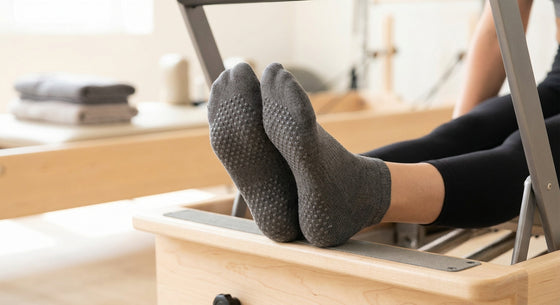
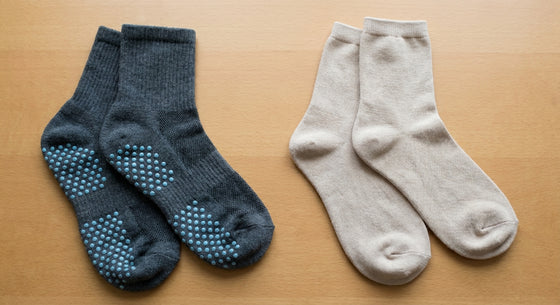
Most grip socks use silicone or rubberized elements (often dots or pads) to increase friction between the sock and the insole.
That higher friction can reduce micro-sliding inside the shoe, which may help athletes feel more secure during quick decelerations and lateral cuts.
It is not just comfort. Consistent footing can influence confidence, movement efficiency, and how often you subconsciously readjust your stance mid-play.
can grip socks lose grip?
Yes, grip socks can lose grip over time, and it is usually the result of normal wear plus how the socks are washed, dried, and stored.
The grip elements are designed to be durable, but repeated friction against insoles, court dust, turf particles, and everyday use gradually changes the texture that creates “tack.”
In other cases, it is not true wear at all. The grip can feel slick simply because it is coated with sweat, skin oils, detergent residue, or lint.
The three main reasons traction drops
1) Friction and abrasion flatten the grip texture
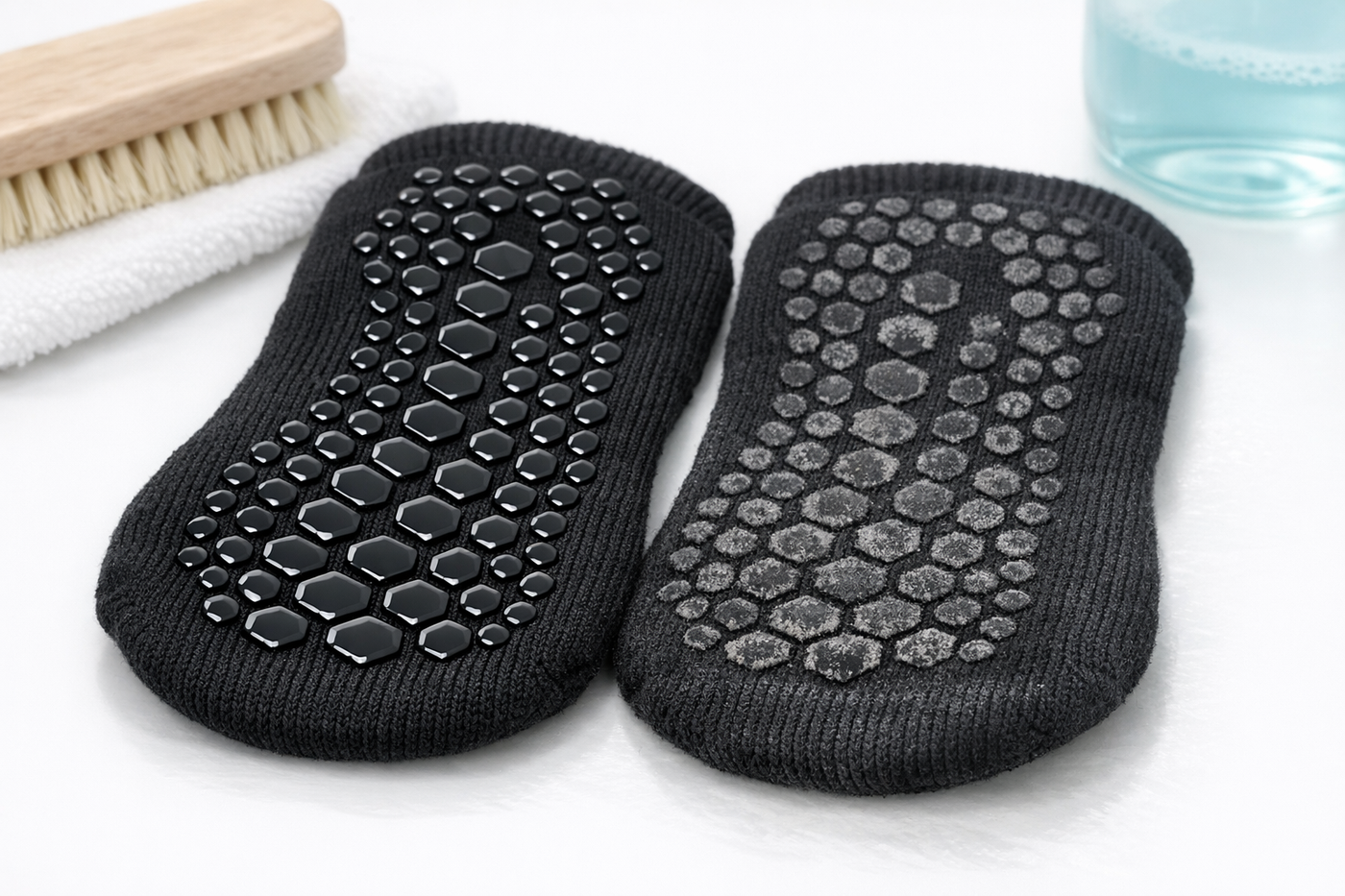
Every training session creates friction between the grip print and the insole. Over time, the high points of the grip can smooth down, reducing the textured surface area that generates traction.
This happens faster when athletes train frequently on abrasive insoles, repeatedly play on dusty courts, or use the same pair for every session without rotation.
2) Heat and harsh laundry chemistry break down materials
High heat can stiffen or crack grip elements and can also reduce the elasticity of the sock fabric itself.
Strong detergents, bleach (when not approved by the care label), and fabric softeners can leave residues or alter the surface friction you are trying to preserve.
If you want a science-based reference for why heat and chemicals change performance fabrics, see this overview on how chemicals interact with materials and skin, which helps explain why residue and exposure matter in real-world use.
3) Contamination creates a “slick film” even when grip is not worn out
Sweat, body oils, dust, and detergent buildup can coat the grip pads, making them feel slippery even if the grip print is intact.
Lint is a common culprit, especially when socks are washed with towels or fleece. The grip becomes a magnet for fibers, which reduces direct contact between grip and insole.
Key takeaway: “Lost grip” is not always permanent. Sometimes the traction is simply masked by residue and debris, and a better cleaning routine restores noticeable tack.
How to restore grip when socks feel slick
If your grip socks suddenly feel less reliable, first assume contamination before assuming the grip is “dead.” A targeted clean often brings back traction.
Start by removing lint and debris, then focus on washing in a way that cleans the grip surface without baking residue into it.
Brush off debris after play (especially indoor courts) and separate grip socks from lint-heavy laundry.
Wash inside out so the grip area is exposed to water flow and detergent, while reducing abrasion against other items.
Rinse thoroughly to reduce detergent film. If your machine has an extra rinse option, use it.
Air dry to avoid heat-related hardening that can reduce tack and flexibility.
Best practices to make grip socks last longer
Most athletes do not “ruin” grip socks in one dramatic mistake. Performance usually fades from small habits repeated dozens of times.
Use the checklist below to protect the grip elements and keep traction consistent through heavy training blocks.
Wash cold or warm, not hot, on a gentle cycle to protect fibers and grip elements.
Skip fabric softener and dryer sheets since they can leave a slick residue and reduce friction where you want it most.
Turn socks inside out so the grip gets cleaned effectively without excessive rubbing against other garments.
Use mild detergent and avoid bleach unless the care label specifically allows it.
Air dry when possible; if you must use a dryer, choose low heat.
Keep them clean between sessions because dust and turf particles reduce traction fast, especially indoors.
Rotate pairs so one pair is not absorbing all the friction week after week.
Team perspective: standardize grip sock care for consistent performance
For teams, the biggest win is consistency. If athletes are washing gear in different ways, traction can vary across the squad, even if everyone started with identical pairs.
Consider setting simple kit standards such as cold wash rules, no softener, low heat drying only, and separating grip socks from lint-heavy items.
Rotation matters for teams too. Maintaining enough inventory to rotate game-day pairs can help keep traction more uniform across a season and reduce last-minute surprises.
Athlete perspective: know the “tell” signs that grip is fading
Grip loss is often noticed through movement, not visuals. Pay attention to small changes in how your foot behaves inside the shoe during high-intensity actions.
You adjust your feet more often before sprints, cuts, or jumps.
You feel extra movement inside the shoe when decelerating.
Grip feels uneven between left and right, often due to different load patterns or laundering issues.
You feel less confident planting on quick direction changes.
If these signs show up, try a deep clean first. If traction remains inconsistent, retire that pair from match play and keep it for training, or replace it as part of a planned gear cycle.
How long should grip socks last?
There is no single lifespan, because usage intensity, foot strike patterns, shoe insoles, playing surfaces, and laundry habits all affect wear.
A practical approach is to evaluate socks the same way you evaluate boots and insoles: by performance, not by age. If the grip feels unreliable during the movements that matter most, it is time to change your routine, rotate more often, or replace the pair.
If you are outfitting a squad or experimenting with different grip sock builds, companies such as Nextwave Socks can be part of the conversation, but the fundamentals remain the same: friction, heat, and residue determine how long traction stays predictable.
Conclusion: treat grip like a performance variable
Grip socks are a performance tool, and their traction is not static. Over time, abrasion can smooth the grip elements, high heat can degrade materials, and contamination can create a slick surface that mimics wear.
The good news is that consistent care habits can extend grip life and make traction more reliable across training and competition. Clean them properly, avoid softeners and high heat, rotate pairs, and respond early when you feel changes.
If you have team laundering tips or athlete routines that keep grip socks performing longer, share them with your staff or teammates, and explore more resources here: can grip socks lose grip.
Grip that’s scientifically proven.
Join 23,197+ athletes. Free worldwide shipping, up to 44% off the latest drop.
Shop grip socks →