How to Wash Grip Socks for Peak Performance & Longevity
Grip Socks Care Guide: Keep Traction and Fit Through Every Wash
Grip socks work hardest exactly where most socks fail: under heavy friction, sweat, and repeated wash cycles. When they are cared for properly, the grip pattern stays tacky, the knit stays supportive, and the fit stays consistent from warm-ups to extra time.
This guide breaks down what matters most for athletes and teams: when to wash, what settings to use, what to avoid, and how to dry and store grip socks so they keep performing. If you have ever wondered why your traction fades or your socks start slipping, the answer is usually in the laundry routine.
Why grip socks lose performance over time
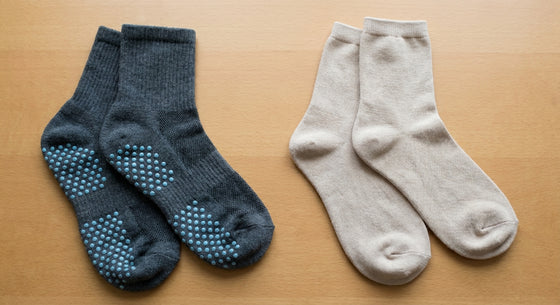
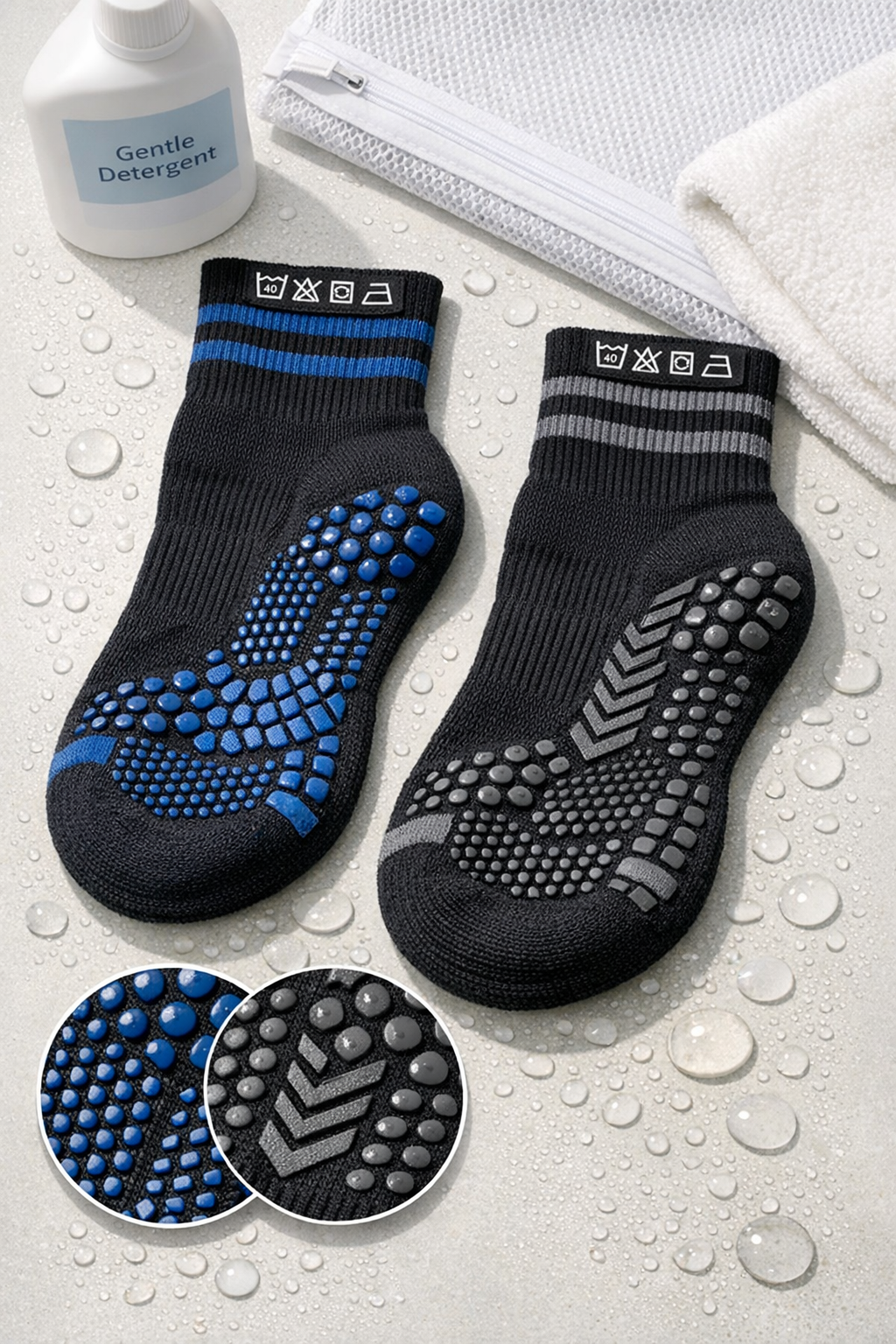
Grip socks combine a knit base (for fit, compression, and moisture control) with a grip pattern (often silicone) designed to increase traction. Both parts are sensitive to heat, residue, and abrasion. The wrong wash setup can make grip feel slick, crack the pattern, or relax the elastic that keeps the sock locked in place.
Performance decline is often gradual, so athletes adjust their movement without realizing it. A slightly looser fit can lead to bunching. Slightly less grip can delay cuts and reduce confidence during quick changes of direction.
How to wash grip socks the right way
If you want consistent traction and a reliable fit, how you wash grip socks matters just as much as how often you replace them. The goal is simple: remove sweat and oils without baking, coating, or tearing the grip elements.
1) Wash them as soon as practical after use
Sweat, body oils, and dirt sit in the fibers and on the grip elements after training. Over time, that buildup can reduce tackiness and allow odor to set in. The longer you wait, the more work the wash cycle has to do.
If you cannot wash immediately, at least air them out. Avoid leaving socks balled up in a sealed bag, especially in warm environments like a car or locker.
2) Prep the socks before they go in the machine
A few seconds of prep prevents most grip damage. Turn socks inside out to protect the grip surface during the wash, unless the care label indicates the grip is on the inside. Shake out turf pellets, rubber crumb, and grit that can act like sandpaper.
Also check nearby gear for snag risks. Close hook-and-loop straps and avoid washing grip socks alongside items with exposed zippers or rough hardware.
3) Choose cool water and a gentle cycle
Heat is one of the biggest enemies of grip patterns. Hot water and aggressive agitation can harden or crack silicone and can weaken the elastic that supports compression. For most teams, a cool to cold wash on a gentle cycle hits the best balance between cleaning and preserving performance.
If you are washing a full team load, do not overpack the machine. Overpacking prevents proper rinsing, which can leave detergent behind and make grip feel less tacky.
4) Use mild detergent, skip softeners and bleach
Use a mild detergent designed for activewear when possible. Fabric softeners are a common mistake because they leave a coating that can make grip feel slick and can reduce moisture management. Bleach can accelerate fiber breakdown and fade colors, which matters for both longevity and team presentation.
- Do: use a small amount of mild detergent and rinse thoroughly
- Do not: use fabric softener, dryer sheets, or bleach
- Do: separate by color for team loads to reduce dye transfer
Dealing with stubborn odor and residue buildup
If socks still smell clean out of the wash, you are often dealing with residue trapped in the fibers rather than a lack of detergent. The fix is usually a pre-soak or an extra rinse, not harsher chemicals. Heavy fragrance products can mask odor while leaving coatings behind.
Simple pre-soak method
Soak socks briefly in cool water with a small amount of gentle detergent. This helps lift sweat and grime before the main wash cycle. Keep the soak short and avoid hot water.
- Fill a basin with cool water
- Add a small amount of mild detergent
- Soak 15 to 30 minutes
- Rinse, then wash on a gentle cycle
Vinegar rinse for persistent odor
For persistent smells, a light vinegar rinse can reduce odor-causing residues without coating the grip. Use a small amount, then run a full rinse cycle afterward so nothing remains on the sock. If you are managing team kits, consider testing this approach on one pair first to confirm compatibility with your specific sock construction.
Always prioritize a thorough rinse. Leftover detergent can reduce tackiness the same way softener does, even if the socks look clean.
Drying grip socks: where most damage happens
Drying matters as much as washing because heat and prolonged tumbling can warp grip patterns and relax fibers. High heat can also shrink the knit unevenly, leading to hotspots, slipping, or bunching. For high-performance use, treat drying as part of your equipment routine.
Best option: air-dry
Air-drying is the safest method for preserving grip tackiness and compression feel. Lay socks flat or hang them in a well-ventilated area away from direct heat. Avoid placing them on radiators, near space heaters, or in direct sun for long periods.
If you must use a dryer
Use low heat and remove socks promptly. Extended heat exposure can accelerate cracking in grip elements and reduce elasticity over time. For teams, set a standard laundry protocol so every player gets consistent performance and fit.
Key takeaway: Cool wash, thorough rinse, and low-heat drying preserve traction better than any heavy-duty cycle.
Common mistakes that quietly ruin grip socks
Most grip deterioration does not come from one bad session, it comes from small habits repeated all season. Avoiding these errors is often the fastest way to restore consistency underfoot. This matters for sports that demand rapid deceleration, lateral cuts, and stable landing mechanics.
- Ironing or exposing socks to direct high heat
- Dry cleaning
- Using dryer sheets (they can leave residue that reduces grip)
- Washing with towels or rough fabrics that increase abrasion
- Washing with garments that have zippers, hooks, or abrasive panels
Post-wash traction check: a quick performance habit
After washing and drying, inspect the grip surface. If you see lint buildup, it can act like a barrier between the grip and the insole. Once the sock is dry, gently rub lint off with your fingers or use a soft brush to restore contact and traction.
This is especially helpful in winter seasons, when hoodies and towels shed more lint. A 20-second check can prevent a full session of slipping inside the boot.
Rotation and storage for teams and individual athletes
Grip socks need recovery time just like other high-use gear. Wearing the same pair repeatedly without rest accelerates thinning in high-friction zones and increases elastic fatigue. Rotating pairs also ensures each set fully dries, which reduces odor retention.
Store socks in a cool, dry place and avoid compressing them under heavy gear for long periods. For team managers, a simple labeled system helps reduce mismatched pairs and prevents players from defaulting to the same two pairs all week.
If you are ordering team sets, it can help to standardize on consistent care instructions across the squad. Some teams include a short care card with kit items from suppliers such as Nextwave Socks, simply to keep performance consistent across a roster without turning laundry into guesswork.
Conclusion: make grip last, keep performance consistent
Grip socks are performance equipment, not just apparel. Cool washing, mild detergent, no softeners, thorough rinsing, and low-heat drying protect both the grip pattern and the supportive fit. Add rotation, proper storage, and a quick post-wash lint check, and you will get more consistent traction and comfort session after session.
Have a laundry tip that has helped your team keep traction longer? Share it with your training group or drop it in the comments. For more guidance on team-ready kit planning, you can explore how to wash grip socks.
Grip that’s scientifically proven.
Join 23,197+ athletes. Free worldwide shipping, up to 44% off the latest drop.
Shop grip socks →