Grip Socks at Club Pilates: Cost vs Performance Value
Grip Socks for Athletic Performance: What You Are Really Paying For
Grip socks look like a small accessory, but for athletes and teams, they can influence traction, stability, and movement quality in ways that add up over a season. If you have ever felt your foot slide on a reformer, mat, court surface, or indoor turf, you already understand how quickly confidence can drop when footing feels uncertain.
This article breaks down what drives grip sock pricing, why some pairs lose traction after a few washes, and what separates a studio-convenience sock from a true performance build. The goal is not to push a trend, but to help you choose gear that supports cleaner mechanics and consistent training outcomes.
Why Grip Socks Cost More Than Basic Athletic Socks
Grip socks often land in a mid-range price tier because they include materials and construction features that standard socks do not. The biggest cost driver is the outsole grip system, which requires additional manufacturing steps and specialized compounds.
Retail pricing also reflects convenience. When socks are sold in-studio or near training spaces, you are paying for immediate availability and packaging simplicity, not necessarily the longest lifespan or the most sport-specific design.
- Grip application (silicone or polymer placement, bonding method, curing process)
- Fit engineering (shaping for heel lock, arch structure, toe box definition)
- Material selection (better yarns for sweat control, friction management, and durability)
- Retail channel (single-pair convenience versus value multipacks)
how much are grip socks at club pilates
If you are searching “how much are grip socks at club pilates,” you are usually trying to benchmark whether studio socks are priced fairly compared to online options. In many markets, studio grip socks tend to be priced higher than basic socks, with costs influenced by location, whether they are sold as a single pair or multipack, and whether designs are seasonal or branded.
The more important performance question is not just the price. It is whether that pair maintains traction, stays aligned on the foot, and holds up through repeated laundering without the grip flattening or peeling.
The Sports Science of Grip: Traction Where You Actually Load
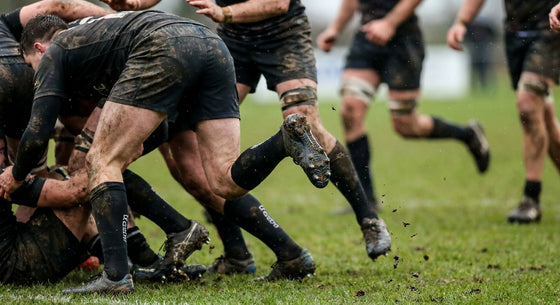
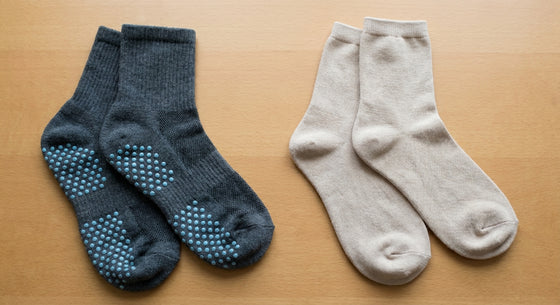
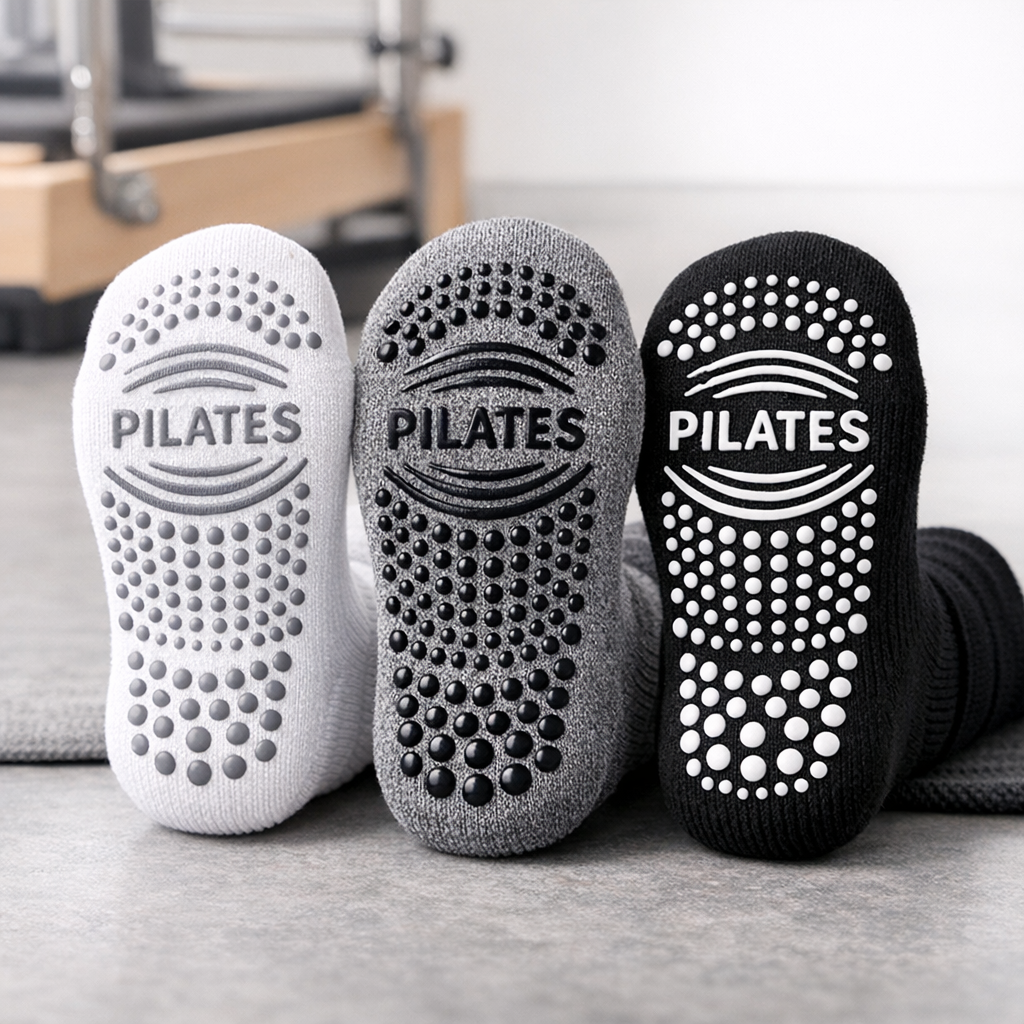
Traction is not just about having sticky dots on the bottom. Effective grip placement matches how athletes distribute pressure during movement, especially at the heel, forefoot, and lateral edge when cutting, pivoting, or controlling transitions.
Cheaper grips can feel tacky at first contact, but some compounds lose “bite” as they warm up or as sweat builds. Once grip begins to flatten, slips become more likely, which can change how you move long before you consciously notice it.
What to Look for in a Grip Map
A well-designed outsole uses a pattern that supports both static balance and dynamic movement. This matters for everything from controlled isometrics to quick repositioning in agility drills.
- Forefoot traction for propulsion and stabilizing during split-stance work
- Heel traction for deceleration and controlled landings
- Lateral edge coverage for side-to-side transitions and pivots
- Clear flex zones so the sock grips without restricting toes and midfoot
Fit Is Performance: Why Socks Slip Even When the Grip Is Good
Even a strong grip compound cannot help if the sock twists mid-rep. Once the fabric rotates, traction zones no longer align with your pressure points, and you start compensating by gripping through the toes or stiffening the ankle.
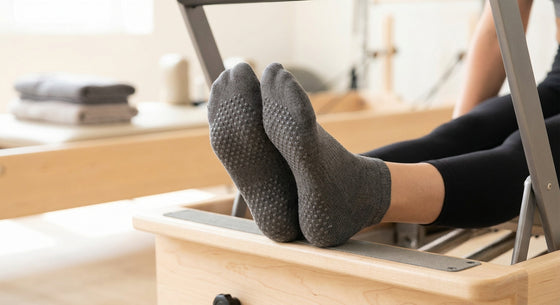
Performance-focused grip socks use structure to stay put: arch compression for midfoot security, a defined heel pocket for lock-in, and a toe box that allows natural toe splay. These features support consistent foot mechanics, particularly during longer sessions where sweat increases movement between fabric and skin.
Comfort Under Load: Managing Heat and Friction
Comfort is not a luxury feature in training. Heat buildup and sweat pooling can increase friction, raising the risk of hot spots and blisters during high-volume work.
Look for moisture-wicking yarns and breathable knit zones that help regulate temperature. Flat seams also matter more than most people think, because raised seams can irritate skin when you repeatedly load the same positions.
Durability: The Grip Should Survive the Laundry Cycle
Durability is where many socks fail quietly. Grip elements may crack, peel, or smooth out after repeated washes, and once traction becomes inconsistent, athletes often adjust their movement without realizing it.
Higher-quality socks typically use more resilient grip materials and better bonding methods. The fabric also matters, because a sock that bags out loses fit, which accelerates grip misalignment and increases sliding inside the sock.
- Wash retention: grip stays textured and intact after multiple cycles
- Shape retention: heel and arch do not stretch out quickly
- Seam integrity: no rubbing points develop as the sock ages
- Consistent traction: performance feels the same in week one and week eight
Key takeaway: Traction, fit, and durability work together. If one fails, confidence and movement quality often drop before you notice why.
When Performance Grip Socks Are Worth It for Teams
For teams, grip socks can be more than a personal preference item. Consistent traction across a roster can support more reliable footwork quality in warmups, strength sessions, and rehab drills, especially in indoor environments where surfaces vary.
Custom options are not only about branding. They allow teams to match grip maps and compression profiles to the demands athletes repeat most, whether that is court-based change of direction, weight room stability, barre-style balance work, or controlled studio training.
Choosing the Right Build for Your Training Environment
A practical approach is to match sock features to the dominant movement patterns and surface types you train on. If you do a mix, prioritize stability and wash durability, because those factors drive long-term consistency.
- Court and agility work: lateral grip coverage and strong heel lock
- Strength training: forefoot and heel traction with minimal bulk for ground feel
- Studio and balance training: stable arch support, breathable zones, controlled cushioning
- High-volume weeks: durable grip compound and fabric that holds shape
A Note on Comparing Studio Socks to Performance Socks
Studio socks can be a convenient solution, especially when you need a pair immediately. However, convenience pricing does not always correlate with sport-specific engineering, and the build may prioritize general use over long-term performance under heavy training volume.
If you are looking for a performance-oriented option, some companies focus specifically on grip placement, fit structure, and durability for athletes. For example, Nextwave Socks is one brand athletes may come across when researching higher-performance grip sock construction, including team-oriented and custom approaches.
For additional background on friction, blisters, and how materials influence skin stress, the National Library of Medicine is a helpful place to explore sports medicine research summaries. For traction concepts in sport, resources like the NSCA education articles can also provide useful strength and conditioning context.
Conclusion: Treat Grip Socks Like Small Equipment, Not Just Apparel
Grip socks are easy to underestimate, but they can influence how confidently you load, pivot, balance, and transition. The best pairs deliver traction where you actually apply pressure, maintain a stable fit under sweat and fatigue, and stay consistent after repeated washes.
If you train frequently or manage a roster, consider evaluating grip socks the same way you would any performance tool: test traction over time, inspect durability, and pay attention to whether athletes move more cleanly and comfortably. Share your experience or questions in the comments, and if you are exploring higher-performance options, you can learn more here: how much are grip socks at club pilates.
Grip that’s scientifically proven.
Join 23,197+ athletes. Free worldwide shipping, up to 44% off the latest drop.
Shop grip socks →