Can Grip Socks Cause Blisters? Fit & Fabric Tips
Grip Socks, Traction, and Blisters: How to Get Stability Without the Hot Spots
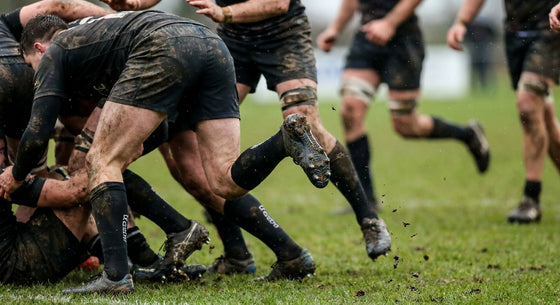
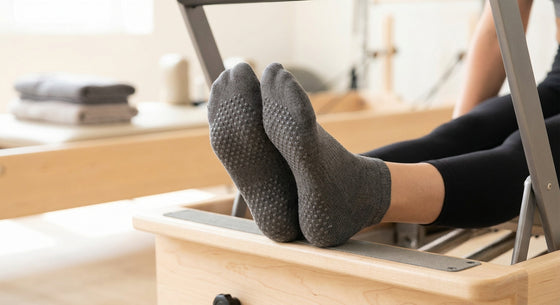
Grip socks have become a common piece of performance gear for athletes who rely on quick cuts, jumps, and hard stops. When they work well, they can improve the feeling of stability inside the shoe by reducing foot slide during high-speed changes of direction. But the same traction features that help you feel locked in can also contribute to skin irritation if fit, moisture, and friction are not managed correctly.
This article breaks down the sports science behind blister formation and explains how grip socks interact with your feet and footwear. You will learn what to look for in fit, fabric, seam design, and grip placement, plus practical habits that help teams and individual athletes stay comfortable through long sessions and multi-game days.
can grip socks cause blisters
Yes, they can, but the better question is why blisters happen in the first place. Blisters are not caused by grip as a concept, but by repeated rubbing and shear forces that separate layers of skin. When friction is concentrated in one area, fluid builds as the body tries to protect the damaged tissue.
Grip socks can reduce sliding inside the shoe, which may lower blister risk for some athletes. However, if the sock fit is off, the grips are too aggressive, or the fabric traps moisture, friction can shift into smaller high-pressure zones like the heel, ball of the foot, and toes. In short, grip socks are not inherently the problem, but mismatched design and poor setup can trigger hot spots.
The sports science of blisters: friction, shear, heat, and sweat
Most athletic blisters come from a combination of friction and shear. Friction is the resistance between your skin, sock, and shoe, while shear is the side-to-side force that pulls skin layers in different directions. Repeated micro-movements, especially during cutting and deceleration, can create enough shear to cause separation within the skin.
Heat and moisture accelerate the process. Sweat softens the outer skin layer, making it more vulnerable to damage and more likely to “grab” onto fabric during movement. If your socks do not manage moisture well, the skin stays warm and damp, which increases the likelihood that friction becomes blister-forming rather than just mildly irritating.
If you want a deeper medical overview, the Cleveland Clinic blister guide explains common causes and care principles in clear terms.
Fit is the first line of defense
Fit is the most overlooked factor in blister prevention, and it matters even more with grip elements. Socks that are too small overstretch, thinning the fabric and increasing pressure in key zones. Socks that are too large can bunch or wrinkle, creating folds that turn into high-friction ridges under load.
What “good fit” should feel like
A performance fit should feel snug and consistent across the foot and ankle without feeling restrictive. The heel pocket should sit where your heel actually is, and the toe box should lie flat without excess material or toe compression. If the sock migrates during play, friction increases because the sock and skin keep re-aligning under stress.
- Heel pocket alignment: Your heel should sit fully in the reinforced heel zone without pulling.
- Toe box comfort: No tight squeeze on toes and no extra fabric flapping or folding.
- Even tension: No “thin spots” from overstretching and no loose areas that bunch.
Compression bands: helpful, but only when they are truly comfortable
Some grip socks include arch or ankle support bands designed to reduce movement and keep the sock in place. This can help prevent migration that leads to rubbing, particularly during repeated sprints and lateral shuffles. The band should feel supportive, not tight enough to cause tingling, numbness, or a pulsing sensation.
Fabric technology: moisture management changes everything
Moisture is a multiplier for friction-related skin damage, so sweat-wicking performance yarns and breathable knit structures are key. The goal is to move moisture away from the skin, spread it through the fabric, and allow it to evaporate. Socks that hold sweat against your foot increase skin softness and raise blister risk over time.
Look for fabrics that dry quickly and maintain their shape after repeated washing. Shape retention matters because a sock that stretches out becomes a moving target inside the shoe, which means more rubbing. For teams managing kit across a season, durability and consistent fit are performance factors, not just convenience.
Seams and internal stitching: small details, big consequences
Toe seams are a common hot spot, especially in tighter footwear. Bulky seams or rough internal stitching create a predictable friction point with every stride. Seam construction that lies flat and stays flat after washing is one of the simplest ways to reduce irritation without changing anything else in your setup.
Grip design and placement: traction should be targeted, not extreme
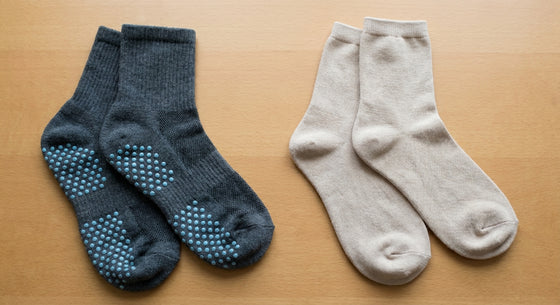
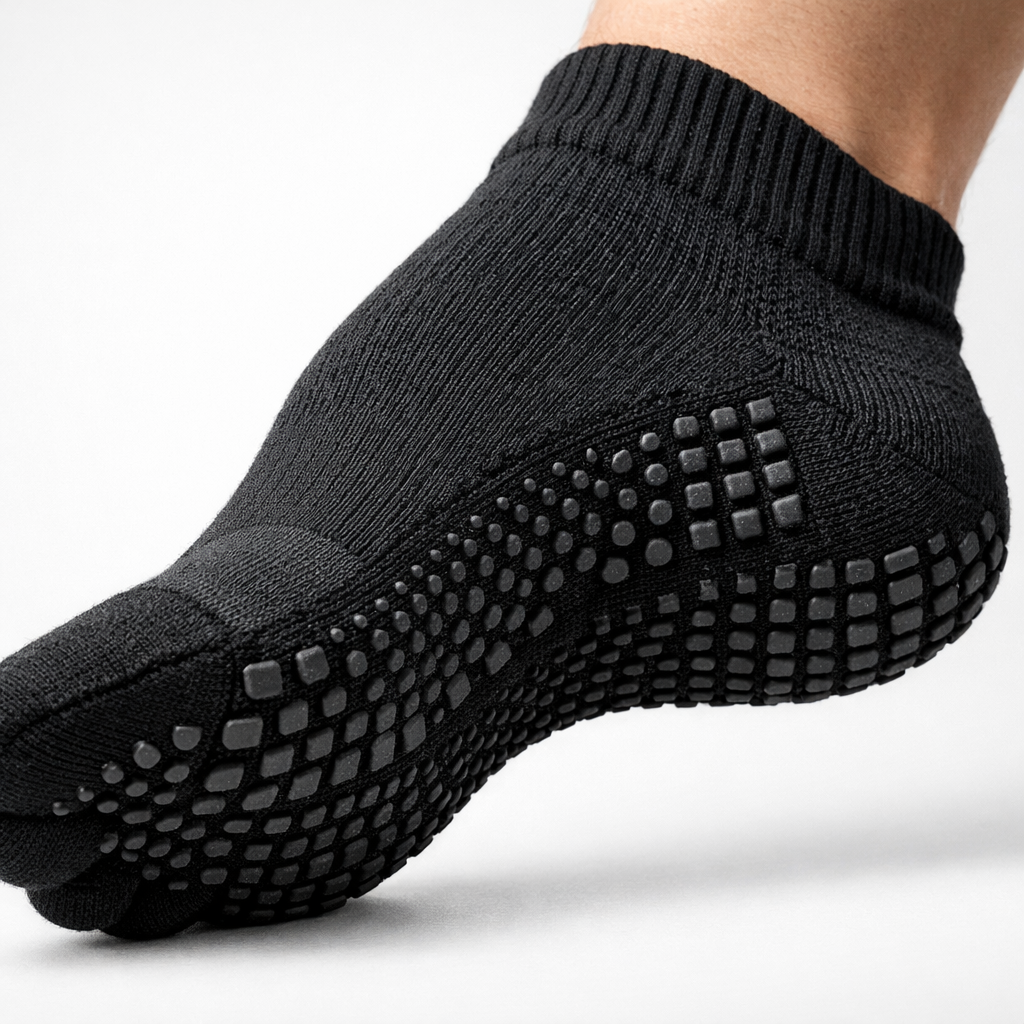
Grip elements such as silicone or rubber pads can improve stability by reducing sliding inside the shoe. But grip is not automatically better when it is more aggressive. If traction is too strong in areas where the foot naturally flexes, it can increase localized shear as the foot tries to move and the sock “anchors” in place.
A well-designed grip pattern balances traction zones with areas that still allow natural movement. This is especially important for sports with frequent plantar flexion and toe-off, where the forefoot needs to bend and load repeatedly. Grip placement that stays consistent after washing also matters, since slippage in pattern performance can create new pressure points over time.
Key takeaway: The best grip sock setup reduces unwanted sliding without creating “sticky” hot spots in high-pressure zones.
Practical habits that prevent blisters during training and competition
Even great socks cannot compensate for poor footwear fit or a high-sweat environment. Small routine choices can dramatically reduce blister risk, especially during tournaments, double-headers, and travel-heavy periods. The goal is to identify friction early, manage moisture proactively, and avoid last-minute gear changes.
- Fit your shoes with your game socks: Always confirm footwear fit while wearing the socks you compete in, not a random pair from training.
- Break in new gear before competition: Test new socks and shoes in practice so you can spot hot zones early.
- Keep feet dry: Change socks between sessions, air out shoes, and address excessive sweating if it is a recurring issue.
- Trim toenails: Long nails increase pressure and can cause toe cap rubbing in tight boots or trainers.
- Replace worn socks: Retire pairs that are thinned out, stretched, or have lost elasticity, since they move more and cushion less.
- Protect hot spots early: Use tape or blister pads as soon as you feel friction, not after a blister forms.
For step-by-step blister prevention strategies commonly used in sport and hiking contexts, the REI blister prevention guide offers practical, broadly applicable tips.
Putting it all together for teams and high-performance athletes
To get the traction benefits of grip socks without the downside, think in systems: sock fit, fabric performance, grip placement, and shoe fit all interact. If one piece is off, friction concentrates somewhere, and that is where blisters typically appear. This is why two athletes can wear the “same” type of sock and have completely different outcomes.
For teams, standardizing basic checks can help: ensure athletes know their correct sock size, encourage testing socks during training, and build a culture of addressing hot spots early. Some athletes also prefer performance-focused options such as those made by Nextwave Socks, but the core principles stay the same regardless of the pair you choose: manage moisture, avoid bunching, and reduce shear in high-load zones.
Conclusion: traction is useful, but comfort is a performance variable
Grip socks can help athletes feel more stable during rapid cuts, jumps, and changes of direction. Blisters usually come from repeated friction and shear, amplified by sweat, heat, and poor fit, not from grip socks alone. When you prioritize snug fit, moisture-wicking materials, low-friction seams, and smart grip placement, you can keep the traction benefits while minimizing hot spots.
If you have dealt with recurring blisters, share what sport you play and where the hot spots show up most often. For more performance education and gear insights, explore can grip socks cause blisters.
Grip that’s scientifically proven.
Join 23,197+ athletes. Free worldwide shipping, up to 44% off the latest drop.
Shop grip socks →