Ronaldo’s Grip Socks: Why Pros Choose Performance Tech
Why Elite Players Wear Grip Socks for In-Boot Traction and Better Footwork
When Cristiano Ronaldo is photographed wearing grip socks, it sparks curiosity and debate about whether they are a “must-have” for performance. The more useful takeaway is not the exact model on his feet, but why an athlete at that level chooses grip technology in the first place. Grip socks are designed to reduce internal foot slippage inside the boot, helping athletes feel more stable during explosive movements.
This article breaks down the sports science behind grip socks, what they can realistically help with, and how teams and individual athletes can evaluate them as part of a high-performance kit setup. The goal is simple: fewer distractions, healthier feet, and more confidence when intensity peaks.
What grip socks actually do inside a soccer boot
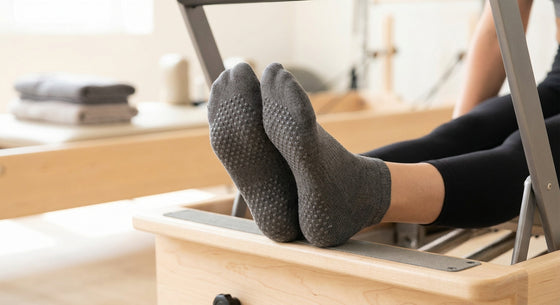
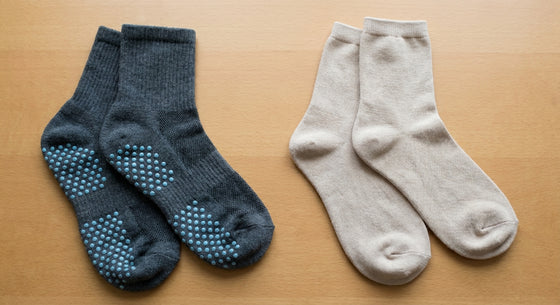
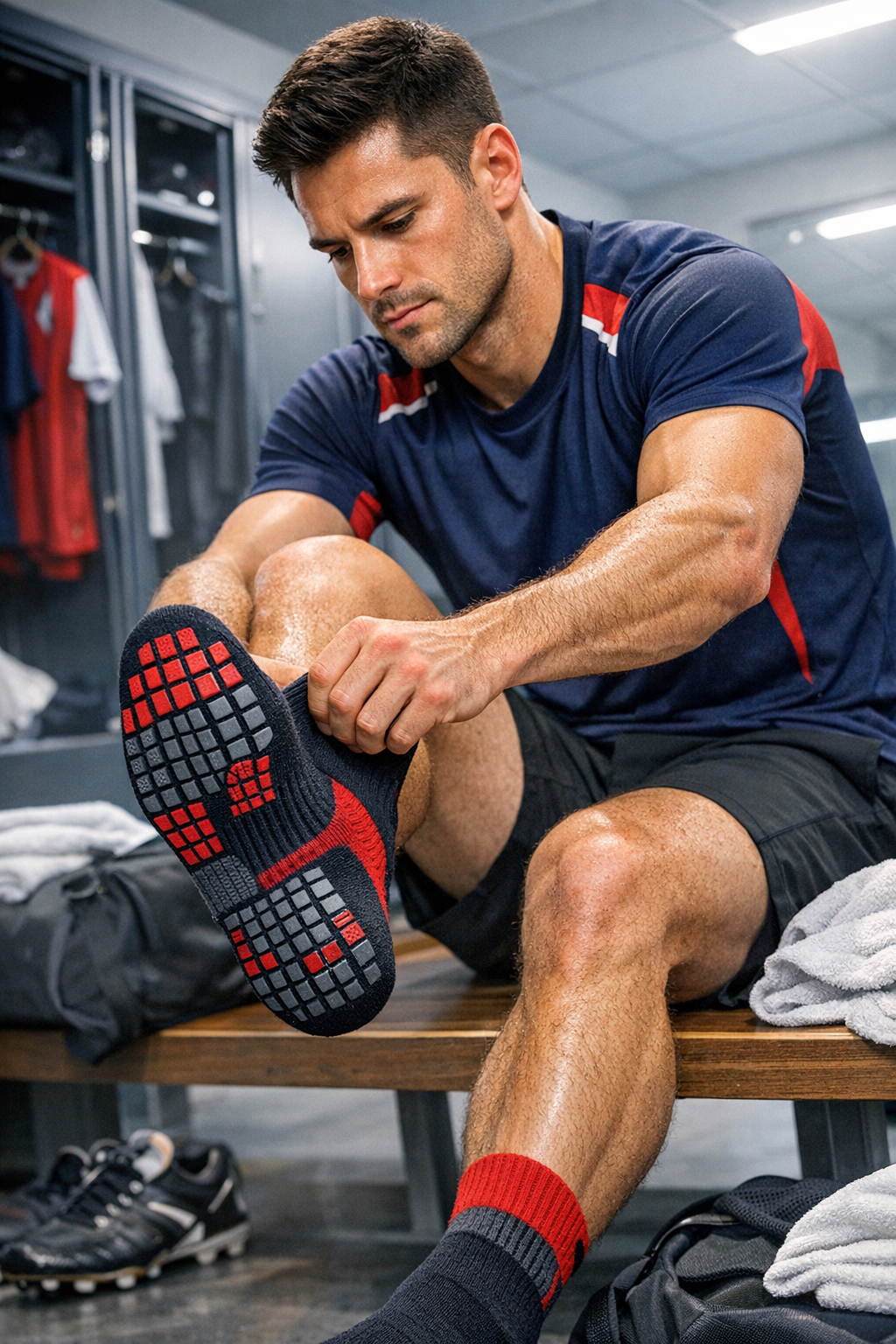
Grip socks include rubberized grip elements on the sole that increase friction between the sock and the insole. That added friction helps limit “micro-sliding,” the subtle movement of the foot that can happen during cuts, pivots, acceleration, and landing. Even small internal shifts can add up over a match, especially for players who sprint and change direction repeatedly.
In-bag terms, grip socks aim to keep your foot “locked in” so your boot moves with you instead of your foot moving inside the boot. This can support better stability, reduce adjustment time (less toe scrunching and re-tightening), and improve comfort over long sessions. They are not magic traction for the grass, but they can meaningfully affect traction inside the boot.
Sports science: why internal slippage matters for performance
In most field sports, performance hinges on fast force production and quick direction changes. If the foot shifts slightly in the boot, some energy goes into repositioning rather than propelling. That can also delay the feeling of “connection” to the ground, which matters during rapid transitions.
Internal movement can also create friction hot spots. Over time, that friction can contribute to blisters, irritated skin, and discomfort that changes how an athlete runs. Many athletes do not lose performance because they are unfit, but because their feet become a limiting factor late in sessions.
The friction and blister connection
Blisters are often caused by repeated shear forces and friction against moist skin. Sweat increases the likelihood of rubbing, especially when the foot slides and then sticks. By reducing the amount of internal slide, grip socks can lower one of the common contributors to blister formation.
For a deeper explanation of friction and blister mechanics, see Cleveland Clinic’s overview of blisters. It is not sport-specific, but it explains why repeated rubbing and moisture matter.
what grip socks does ronaldo wear?
The honest answer is that it varies and it is not always possible to confirm from photos alone. Elite players may change their sock setup by season, boot model, match demands, and sponsorship obligations. Sometimes what you see is also a layering system, where a player wears a base sock and a grip layer, or modifies team socks to get the feel they want.
Rather than treating it like a specific “secret,” it is more useful to recognize the pattern: top players consistently look for a stable in-boot platform. The message is that grip technology has become a performance norm, not a niche experiment.
How grip socks can help teams standardize performance kit
For clubs, grip socks can be a low-interruption way to improve footwear consistency across a squad. Compared to changing boots mid-season or prescribing complex taping routines, socks are simple to issue and easy for athletes to adopt. They also address a common problem coaches hear about but cannot always see: feet moving inside the boot.
Teams often find that standardizing sock performance reduces the spread of “DIY solutions” that players try when they are uncomfortable. When athletes feel stable, they are less likely to over-tighten laces, wear mismatched layers, or change boot sizing to compensate for slip.
Common preferences teams should account for
Even with a standard approach, athletes have different needs based on foot shape, position, and playing style. If you are selecting grip socks for a squad, consider variability in feel and fit so players can stay consistent without forcing one exact setup on everyone.
- Grip placement on the forefoot and heel to match how athletes load and cut
- Pad density that creates traction without feeling bulky
- Thickness for comfort versus boot responsiveness
- Arch support feel (snug versus relaxed) to reduce bunching
- Calf height to match shin guard and team sock systems
What to look for in a high-performance grip sock (without overthinking it)
Not all grip socks feel the same. Too much tackiness can create pressure points, and poorly placed grip elements can change the way the boot feels underfoot. The goal is a “secure but natural” sensation that keeps your foot steady without making each step feel stuck.
Material quality also matters because socks take repeated stress: sweat, washing, and high-force cutting. Breathable yarns support temperature and moisture management, which can reduce the friction problems that show up late in matches. A good design should feel consistent from warm-up through final minutes.
A simple checklist for athletes
- Test in training first, not on match day, to check for pressure points.
- Monitor hot spots after cuts and sprints, especially on the heel and forefoot.
- Check boot tightness; if you lace tighter than usual, the sock may be too grippy or too thick.
- Assess feel during fatigue; the best setup still feels stable late in sessions.
- Prioritize comfort; “performance” that hurts is rarely sustainable.
How to integrate grip socks into your match-day system
Grip socks work best as part of a consistent footwear routine. That includes using the same boot, insole, and lacing pattern most of the time, so the nervous system learns a reliable platform. Constant changes make it harder to identify what is helping and what is hurting.
If you wear team socks over performance socks, make sure nothing bunches at the toes or under the arch. Small folds can create big friction points after an hour of running. Some athletes also benefit from rotating pairs to maintain elasticity and reduce wear on grip elements.
Key takeaway: Grip socks are not about hype. They are about reducing internal foot movement so athletes can cut, sprint, and stop with fewer distractions and fewer friction-related issues.
A practical note for teams and athletes exploring options
Grip socks are now common in elite environments because they solve a practical problem: in-boot stability. For individual athletes, the benefit is often felt as improved confidence when changing direction and less “floating” inside the boot. For teams, the benefit is a more uniform baseline of comfort and stability across the squad.
If your group is building a more consistent performance kit, some suppliers like Nextwave Socks also support team workflows and customization, which can help align sizing, sock height, and preferred feel across players. The most important part is not a logo, but the repeatable outcome: stable feet, fewer hot spots, and predictable boot feel.
Conclusion: stability inside the boot is a performance advantage you can train with
Ronaldo’s grip socks are a visible clue to a broader trend in modern football: small equipment choices can protect comfort and improve consistency at speed. By increasing friction between the sock and the insole, grip socks can reduce internal slippage that contributes to blisters, distractions, and unstable footwork. When your feet feel secure, you can put more attention into decisions, timing, and execution.
If you have tried grip socks in training, share what you noticed during cuts, sprints, and late-game fatigue. For teams and athletes who want to explore setup options, visit what grip socks does ronaldo wear? and compare features that influence fit, comfort, and in-boot traction.
Grip that’s scientifically proven.
Join 23,197+ athletes. Free worldwide shipping, up to 44% off the latest drop.
Shop grip socks →