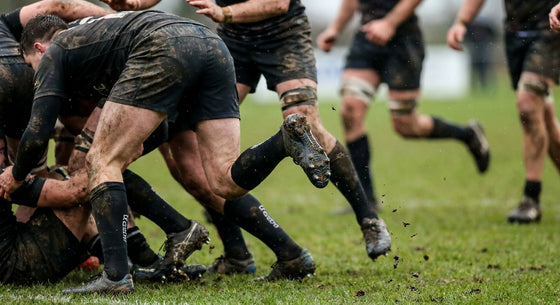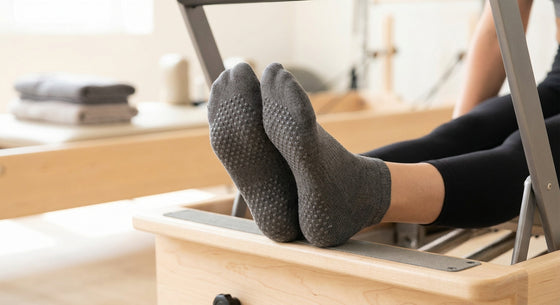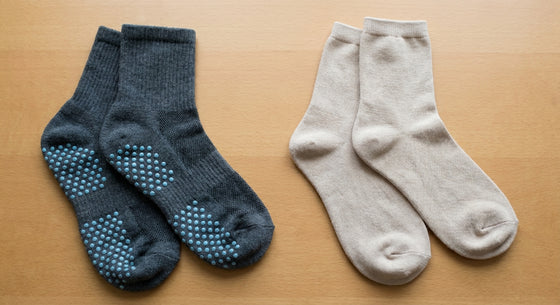
Are Grip Socks Banned in FIFA? Football Sock Rules
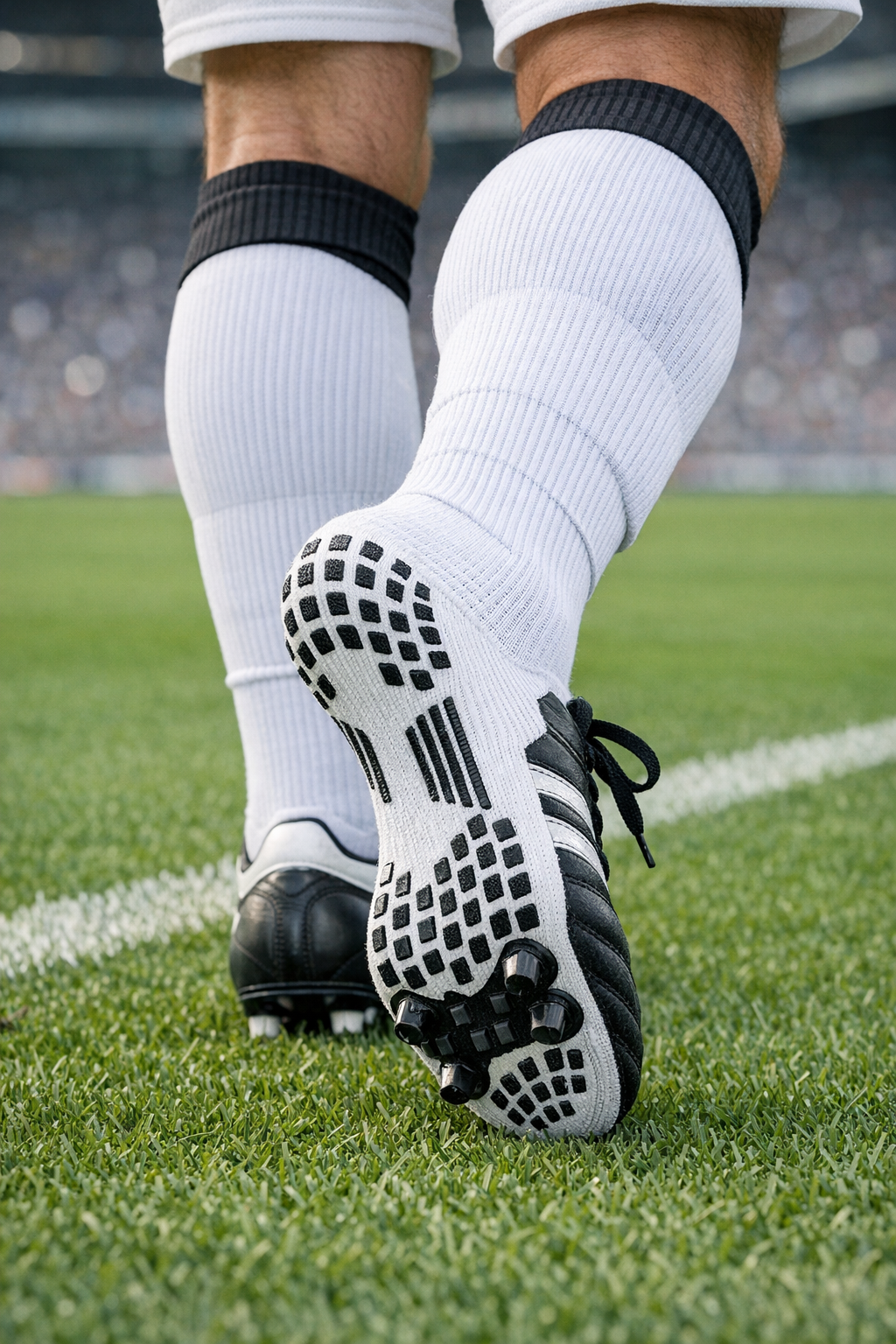
Grip Socks in Competitive Football: Rules, Reality, and Performance
Grip socks have become a popular performance accessory in football, especially for athletes chasing better foot stability and a more “locked-in” feel inside the boot. But with popularity comes confusion, particularly when players ask whether grip socks are allowed under FIFA rules and in match-day kit checks. The answer is nuanced: it is rarely the grip that causes issues, but rather how socks are worn, modified, and presented as part of the uniform.
This article explains how grip socks fit into FIFA’s Laws of the Game, why different competitions interpret kit rules differently, and how teams can avoid last-minute equipment problems. The goal is simple: help athletes and staff make smart, compliant choices that support performance. For reference, you can review the official framework via The IFAB Laws of the Game, which FIFA uses globally.
How FIFA kit rules treat socks and accessories
In FIFA’s Laws of the Game, socks are part of the compulsory equipment. Along with the shirt, shorts, shin guards, and footwear, socks are not optional and they are expected to reflect the team’s approved kit. That matters because anything worn on the lower leg can be scrutinized for safety, uniformity, and overall appearance.
Grip socks generally fit within the rules when they function like normal socks and do not create a visible uniform mismatch. Problems tend to appear when players cut, roll, or replace parts of the team sock in a way that changes what referees see. In most cases, match officials are enforcing a “uniform principle,” not policing traction technology.
FIFA’s framework also emphasizes safety, which includes avoiding equipment that could be dangerous to the player or an opponent. If a grip element is overly abrasive, rigid, or applied in a way that could cause skin injury during contact, it may be questioned. Most mainstream grip designs are soft and low-profile, but the responsibility still sits with the player and team to ensure compliance.
are grip socks banned in fifa
No blanket FIFA rule says grip socks are banned. The more accurate takeaway is that grip socks sit in a regulated area where enforcement depends on visibility, uniform consistency, and competition-specific rules. As long as the sock setup meets equipment standards, appears consistent with the team kit, and raises no safety concerns, grip socks are typically compatible with match play.
Where confusion comes from is that “FIFA competitions” is often used to describe very different environments: international tournaments, domestic leagues, youth associations, and showcase events. These organizations may adopt FIFA’s Laws of the Game but add stricter kit policies, especially in televised matches where uniform consistency is closely managed. That is why one referee crew may allow an approach that another flags the next week.
Why grip socks get flagged: the real issues
1) Visible mismatch with the team sock
A common workaround is wearing separate grip socks while cutting the foot portion of the team sock, leaving only the outer “tube” to preserve color and branding. This can look tidy when done well, but it can also create an obvious mismatch if the under-sock color is visible through gaps, stretching, or movement. If the overall look diverges from the registered kit, officials may require a change.
Even small differences can matter in strict competitions: shades of color, patterned knit, or prominent logos that are not part of the team sock. If it is noticeable from a few meters away, it can become a uniform compliance issue rather than a performance discussion.
2) Unauthorized modifications
Cutting socks, adding panels, or attaching grip material to the outside of the sock can trigger scrutiny. Modifications may be seen as altering the approved kit, and they can also introduce safety concerns if edges become abrasive or if adhesives harden. Teams should treat kit alterations as something that can affect eligibility, not just comfort.
3) Competition-specific equipment rules
Many leagues publish detailed kit regulations that go beyond FIFA’s baseline. These can cover tape color, sock branding, the permissibility of additional layers, and even how shin guards must be covered. The same grip sock setup might pass in one league and fail in another if the competition has its own uniform standards or sponsor requirements.
Performance perspective: why players use grip socks
From a sports science viewpoint, grip socks aim to reduce in-boot slippage, which can improve perceived stability during rapid deceleration, cutting, and repeated accelerations. Less internal movement can also reduce the friction that contributes to hot spots and blisters, especially in high-heat or high-volume match schedules. Many players report improved “feel” and confidence, which can influence decision-making under fatigue.
It is important to keep expectations realistic: grip socks do not replace good boot fit, appropriate lacing, or well-selected studs for surface conditions. Think of them as one variable in a larger performance system that includes footwear choice, ankle mobility, strength, and load management. The best results typically come from integrating small gains across multiple inputs.
A compliance-first checklist for athletes
If you want the performance benefits without risking a kit violation, start with a simple rule: prioritize external appearance and safety. If a match official can clearly see a mismatch, you are taking an avoidable risk. A few small adjustments in your setup can prevent last-minute stress in the changing room.
- Keep the team sock look intact: Choose an approach that does not change the visible color and style of the official sock.
- Avoid DIY alterations: Cutting and re-stitching can create uneven edges or visible gaps.
- Check logo and branding rules: Some competitions restrict visible manufacturer marks or additional logos.
- Prioritize safety: Avoid hard, abrasive, or externally attached grip elements that could cause contact injuries.
- Test in training: Confirm the setup works with your shin guards, tape, and boot fit before match day.
Team and staff playbook: prevent match-day kit problems
For teams, the biggest advantage is consistency. When every player arrives with a different sock solution, equipment checks become unpredictable and time-consuming. A unified policy reduces friction and helps athletes focus on performance instead of compliance.
- Set a team standard early: Agree on whether grip socks will be used, and define what is acceptable visually.
- Confirm competition rules in writing: Review league handbooks and pre-match notes, especially for playoffs and tournaments.
- Run a “full kit rehearsal”: In one training session, require match kit, shin guards, tape, and sock configuration.
- Assign responsibility: A staff member should own equipment checks so issues are caught before arrival.
- Prepare backups: Keep spare compliant socks and tape on hand for quick fixes.
If your team is exploring consistent sock solutions, a supplier such as Nextwave Socks may be part of that conversation, but the priority should remain the same: build a setup that is legal, safe, and uniform. When staff treat sock configuration like any other performance detail, the entire squad benefits.
Key takeaway for high-performance players
Grip socks are usually not the problem. The problem is visible mismatch, unauthorized modification, or competition-specific kit rules that are stricter than expected.
When chosen thoughtfully, grip socks can support comfort and stability during high-intensity play without conflicting with football’s equipment framework. The safest approach is to keep the external appearance aligned with the team’s approved kit and confirm any league-specific restrictions before important matches. That combination protects both performance and availability, which is the ultimate competitive edge.
Conclusion: performance benefits, fewer compliance surprises
Grip socks can be a valuable accessory for athletes who want a more secure interface between foot, sock, and boot. They are not universally banned under FIFA’s Laws of the Game, but they must fit within rules focused on safety and uniform consistency. The athletes and teams who experience the fewest issues are the ones who aim for a clean, compliant look and clarify competition rules ahead of time.
If you have questions about how your sock setup might be interpreted in your league, share your situation with your coaching or equipment staff and compare notes with the competition handbook. You can also explore more performance and kit considerations here: are grip socks banned in fifa.
Grip that’s scientifically proven.
Join 23,197+ athletes. Free worldwide shipping, up to 44% off the latest drop.
Shop grip socks →