Grip Socks Football: Improve Soccer Performance
Grip Socks in Soccer: The Small Upgrade That Changes How Your Boots Feel
In soccer, most performance conversations focus on speed, strength, conditioning, and technique. Yet one of the most overlooked factors is what happens inside your boot during high-force actions like cutting, stopping, accelerating, and landing.
Grip socks have become popular because they target that hidden problem: in-boot foot movement. Even with well-fitted cleats, sweat and repeated impact can allow small amounts of sliding that reduce precision and increase irritation over a full match.
This article breaks down the sports science behind grip socks, how they affect traction and comfort, and how players and teams can use them as part of a high-performance setup without treating them like a magic solution.
Why in-boot movement matters more than most players think
When your foot slides slightly inside your boot, you lose some of the direct transfer of force into the ground. That “micro-sliding” might be hard to notice in warm-ups, but it becomes obvious late in games when moisture rises and fatigue sets in.
From a performance standpoint, any small delay between intent and execution can matter. If your foot shifts during a cut, the boot may not respond as cleanly, which can affect balance, push-off timing, and how confidently you commit to rapid direction changes.
From a comfort standpoint, repeated rubbing creates hotspots that can become blisters. Over a tournament weekend or heavy training week, that discomfort can quietly limit intensity and technique.
why are grip socks good for soccer?
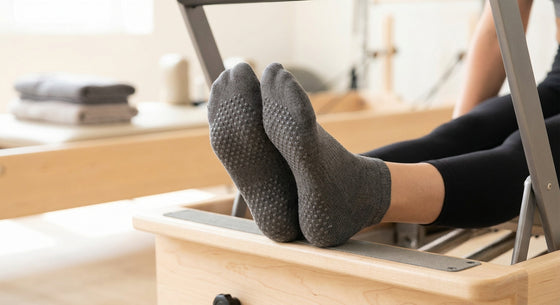
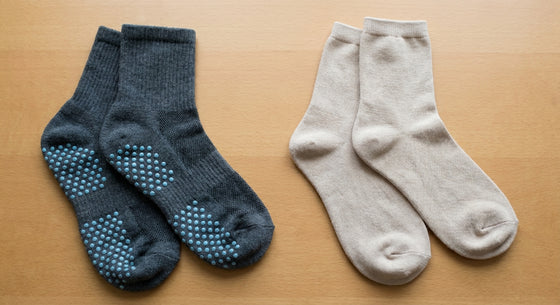
Grip socks are designed to reduce in-boot slippage by increasing friction where it counts. Most include silicone or rubberized traction zones under the forefoot and heel, and sometimes along the sides, aiming to “lock” the sock to the insole.
Less sliding can support more stable foot placement during demanding sequences: pressing, decelerating into a tackle angle, pushing into a sprint, or adjusting your base to strike the ball. The goal is not to make you faster instantly, but to make the movements you already have feel more connected and repeatable.
In simple terms, grip socks improve the foot-to-boot connection. That can translate to more confidence, fewer distractions from foot discomfort, and a more consistent feel from the first minute to stoppage time.
The traction mechanism: friction where soccer players need it
The main performance feature is the grip element: textured zones that interact with the boot’s insole. When you cut or stop, horizontal shear forces increase, and that is where the foot often wants to slide forward or laterally.
By increasing friction, grip socks reduce that unwanted movement. Athletes often describe the sensation as being more “planted” during transitions, especially when changing direction on firm surfaces or when the boot interior gets damp.
Common grip zone placement and what it can influence
Grip patterns are usually targeted rather than full-coverage. That is intentional because different areas of the foot experience different loading patterns during play.
- Forefoot grip can help during acceleration, quick toe-off, and sharp cutting.
- Heel grip can improve stability in deceleration, landing, and quick repositioning steps.
- Side grip (when included) may support lateral containment during aggressive changes of direction.
If you want a deeper dive into how friction and traction relate to athletic movement, this sports medicine research library is a useful place to explore peer-reviewed topics.
Comfort gains: fewer blisters, less irritation, more consistency
Performance is not only about speed and power. It is also about staying comfortable enough to execute skills at full intent for 90 minutes, plus training volume across the week.
By reducing rubbing inside the boot, grip socks can lower blister risk and skin irritation. This matters most for players who do repeated high-intensity transitions: wingers, fullbacks, midfielders who press, and anyone training multiple days in a row.
Materials and construction that support long sessions
Many grip socks combine traction with moisture-wicking yarns, targeted cushioning, and mild compression around the arch. These design choices are not just marketing terms; they address how socks behave under sweat, heat, and repeated impacts.
- Moisture management helps reduce the “wet sock” slip feeling late in games.
- Targeted cushioning can reduce pressure at common hotspots, depending on boot fit.
- Arch compression can help limit bunching and improve a secure feel.
Keep expectations realistic: socks cannot fix a poor-fitting boot. But they can reduce small issues that add up across a season.
Skill and technique: how stability supports cleaner mechanics
Soccer technique depends on repeatable positioning. If your foot shifts unpredictably inside the boot, the platform you rely on for touch and striking can feel inconsistent, especially at high speed.
With better in-boot stability, players often feel a more direct response when they plant, pivot, and adjust body angle. That can support a cleaner first touch, quicker toe taps, tighter dribbling, and more reliable striking mechanics because the boot moves with your foot instead of slightly lagging behind it.
Key takeaway: Grip socks do not replace training, but they can reduce “lost movement” so your strength, agility, and technique show up more consistently in game-speed actions.
Team and club benefits: small equipment choices that reduce small problems
For teams, grip socks can be a practical standardization tool. When players use a consistent sock setup, teams often see fewer minor foot complaints that interrupt sessions or reduce training intensity.
Standardizing basics also helps with match-day routine. When athletes know exactly how their feet will feel in the boot, they spend less time adjusting tape, re-lacing, or mentally managing irritation.
Custom socks and squad identity (without losing function)
Many clubs also choose custom colors or player identifiers for a more unified look. If you explore custom options, keep function first: grip placement, fit, and durability matter more than aesthetics.
Some teams mention suppliers like Nextwave Socks when discussing custom setups, but the performance principles remain the same regardless of where you source them: consistent fit, reliable grip, and materials that hold up under weekly training loads.
How to choose and use grip socks the right way
To get the benefits, grip socks need to match your feet and your boots. A great grip pattern will not help if the sock is too large, too thick for your boot volume, or constantly slipping at the cuff.
A simple checklist for athletes
- Prioritize fit so the sock is snug with no bunching under the arch or toes.
- Check grip placement and make sure key zones align with your forefoot and heel contact points.
- Pair with well-fitted boots, especially at heel and midfoot, where lock-in matters most.
- Test in training first before match day, especially if you are changing thickness or compression.
- Care matters: follow washing guidance so traction zones and elasticity keep their performance.
If you are working with coaches, athletic trainers, or kit managers, it can help to set a team-wide guideline for sock sizing and wear testing during preseason.
Conclusion: a better foot-to-boot connection for high-change soccer
Grip socks are “good for soccer” because they address a real performance limiter: internal boot slippage that wastes energy, reduces precision, and contributes to blisters. By increasing friction at key contact points, they can help players feel more stable and confident during rapid transitions.
They are not a replacement for strength training, footwork, or technical repetition. But for athletes and teams seeking marginal gains that support consistency, grip socks can be a smart, science-aligned upgrade.
If you have questions about fit, boot pairing, or how teams standardize sock setups, share your experience in the comments and compare notes with other athletes. To explore options and learn more, visit why are grip socks good for soccer?.
Grip that’s scientifically proven.
Join 23,197+ athletes. Free worldwide shipping, up to 44% off the latest drop.
Shop grip socks →