Grip Socks: Better Performance & Injury Prevention 2024
Grip Socks in 2024: Small Upgrade, Big Impact on Traction and Control
Grip socks have shifted from a niche accessory to a legitimate performance tool for athletes in 2024. The driving idea is simple: traction at the foot–sock–shoe interface can influence how efficiently you transfer force, how well you control movement, and how consistently you maintain joint alignment under load.
This article breaks down the sports science behind grip socks, when they matter most, and how to choose features that actually help. Whether you are a coach trying to reduce foot-related distractions across a squad or an athlete chasing sharper cuts and cleaner deceleration, the goal is the same: a stable base you can trust.
Why traction inside the shoe matters
Most athletes think about traction between the outsole and the ground, but traction inside the shoe is often the hidden variable. During sprints, cuts, and landings, the foot can subtly slide against the insole, especially when sweat builds up or the shoe fit is slightly roomy.
That internal slip is not always obvious, but it can change mechanics. If your foot moves inside the shoe, some of the force you generate is lost to micro-movements rather than being directed into the ground. Over time, that can affect both performance consistency and comfort.
why use grip socks?
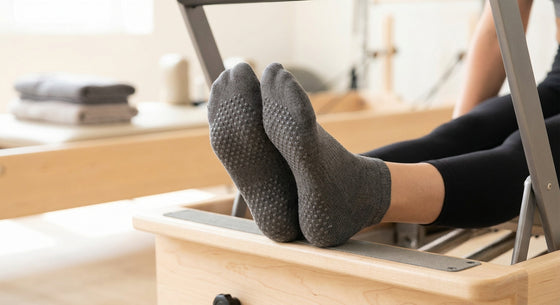
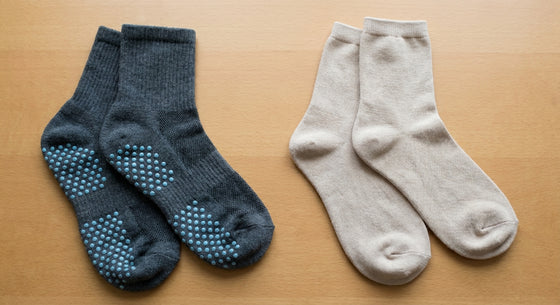
Grip socks add targeted grip zones that increase friction where it counts, commonly under the forefoot and heel. The intent is not to “stick” you to the floor, but to reduce internal foot slip so your shoe behaves more like an extension of your body.
When the foot stays more “locked in,” athletes often report better proprioception, meaning a clearer sense of foot position and pressure. That can support cleaner foot placement, more confident cuts, and fewer hesitations when reacting under pressure.
Performance benefits athletes actually notice
1) Sharper changes of direction
Cutting is a sequence of braking, reorientation, and re-acceleration. If the foot slides inside the shoe during the braking phase, the body may spend a fraction of time re-stabilizing before pushing off again.
By limiting slip, grip socks can help the foot stay stable during that braking-to-push-off transition. The result is often a “cleaner” cut that feels more direct, especially late in training sessions when fatigue and sweat rise.
2) Quicker acceleration from the first step
Acceleration is about applying force rapidly in the desired direction. A stable foot platform can help you feel more connected to the ground through the shoe, making your first steps feel more efficient.
This matters in sports defined by repeat accelerations: football and soccer, basketball, volleyball, racket sports, and many field sports. Even small improvements add up across hundreds of high-intensity actions in a week.
3) More controlled deceleration
Many non-contact injuries and awkward moments happen during deceleration rather than top-speed running. If the foot slides forward inside the shoe on hard stops, you can lose precision at the moment you need it most.
Better in-shoe traction can support more stable braking mechanics. That stability can help athletes maintain better ankle and knee alignment as they absorb force and re-center for the next movement.
Injury prevention: reducing friction and unwanted motion
The most immediate benefit many teams notice is fewer blisters and hot spots. Internal slip increases shear forces against the skin, particularly around the heel, forefoot, and toes, and sweat tends to amplify the problem.
Grip socks can reduce repeated sliding that irritates skin and nails, including the “toe jamming” feeling during hard stops. Less friction also means fewer training interruptions and less time spent taping, padding, or adjusting footwear mid-session.
There is also a fatigue angle. When the foot is sliding, the toes may claw and the lower leg may work harder to stabilize. Over long sessions or congested match schedules, that extra stabilizing effort can contribute to lower-leg fatigue and less consistent movement quality.
Material and construction: grip is only part of the equation
In 2024, athletes are paying more attention to moisture management and fit, because sweat changes friction. If a sock holds moisture, traction can become inconsistent and the foot may start to move unpredictably as the session goes on.
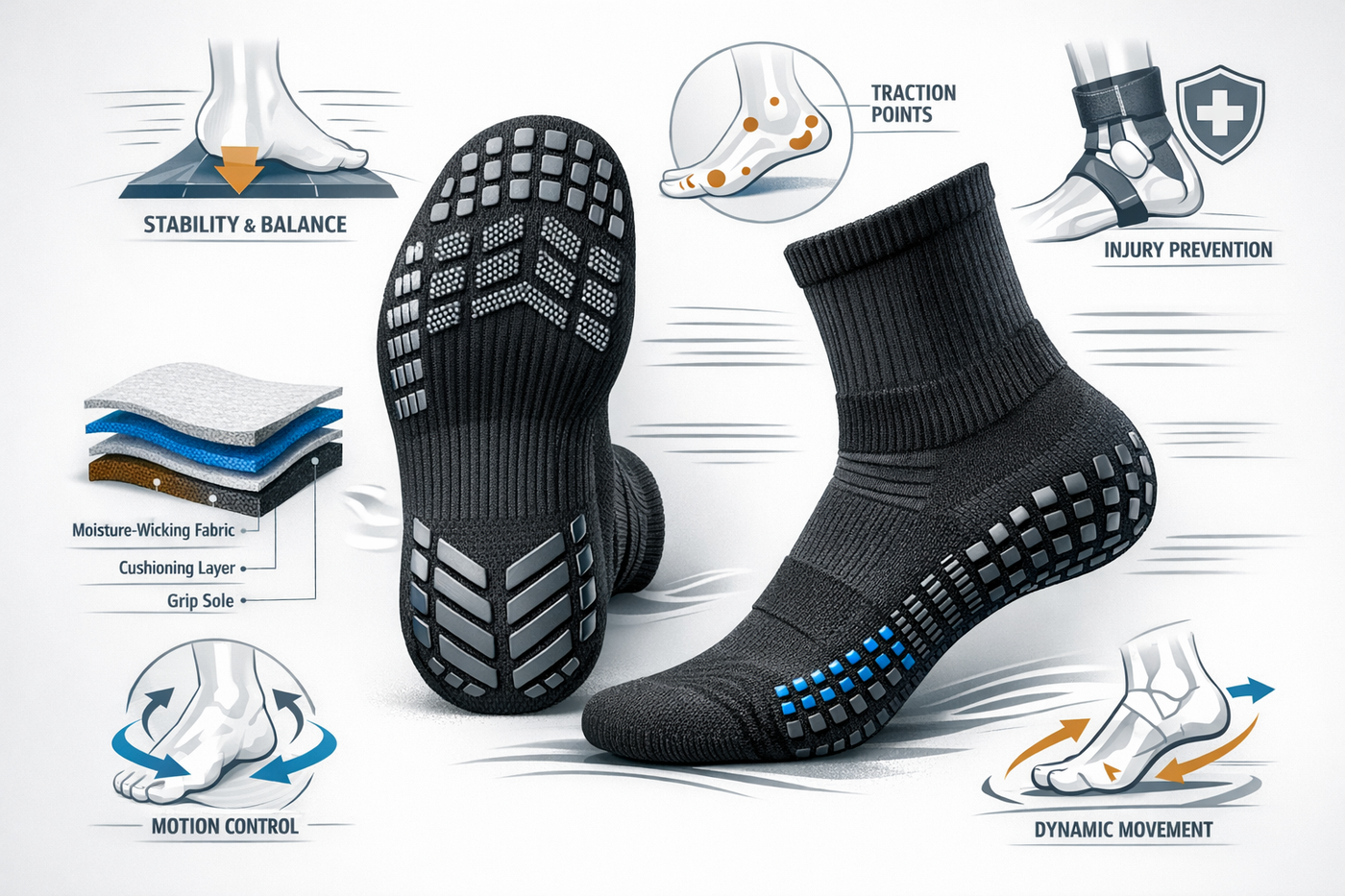
Look at grip socks as a system: traction plus fabric plus fit. A well-designed sock should help maintain a stable feel across different conditions rather than feeling great for the first 10 minutes and then degrading as moisture builds.
Moisture management
Wicking fabrics help keep the foot drier, which can support more consistent traction and reduce blister risk. If you want a deeper overview of blister mechanics and prevention, this medical overview of friction blisters explains how shear forces and moisture interact.
Compression mapping and support
Targeted compression around the arch and midfoot can improve the “locked-in” sensation without making footwear feel overly tight. This is different from simply buying thicker socks, which can sometimes create pressure points or change shoe volume in an unhelpful way.
Light cushioning in high-impact zones can improve comfort and reduce foot fatigue, as long as it does not compromise fit. The goal is a stable platform, not a spongy feel that delays ground feedback.
Grip zone placement
Strategic grip under the forefoot and heel typically aligns with push-off and landing demands. Keeping the midfoot breathable and comfortable can prevent overheating and reduce the heavy, waterlogged sensation some athletes dislike.
Who benefits most: teams, individuals, and specific sports
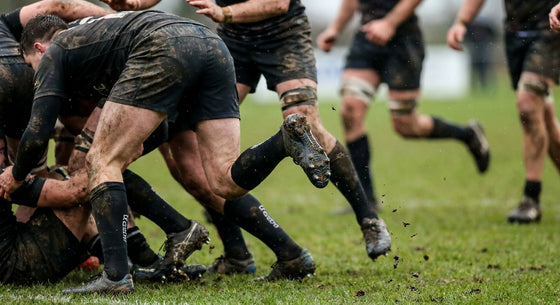
Grip socks tend to be most valuable in sports with repeated cutting and reactive footwork. Indoor courts, turf, and mixed-surface training environments often increase the chances of sweat buildup and rapid direction changes, which is where in-shoe traction becomes noticeable.
- Teams: fewer blisters, fewer foot-related distractions, and more consistent training quality across a roster.
- Individual athletes: a practical upgrade when you want more control without switching shoe models.
- Return-to-play phases: added stability and confidence during gradual re-exposure to high-force cutting and deceleration.
Some teams also use grip socks to standardize “feel” across athletes who wear the same boot or trainer on different surfaces. Consistency matters when you are trying to build repeatable movement mechanics in practice that hold up under match pressure.
How to choose grip socks without overthinking it
The best choice is the option that improves stability without creating new problems like overheating, tightness, or bunching. Start with your sport demands and your most common complaint, then match features accordingly.
- If you get blisters: prioritize moisture-wicking fabric, secure midfoot fit, and grip that reduces heel slip.
- If you feel foot movement in cuts: look for strong forefoot and heel grip zones plus supportive arch compression.
- If your shoes feel too tight: avoid overly thick cushioning and focus on fit and grip placement rather than bulk.
- If you play long sessions: value breathability and consistent traction when damp, not just a sticky feel when dry.
For teams exploring different options, it can help to trial during high-intensity sessions rather than only on light days. That is when sweat, fatigue, and repeated braking expose whether the traction and fit stay consistent.
Key takeaway: optimize the contact points that drive movement
Grip socks are not about gimmicks. They are about improving stability at the foot–sock–shoe interface so force transfer, control, and comfort stay consistent during cutting, sprinting, and landing.
In a long season, small reductions in friction, slippage, and foot fatigue can support more reliable training quality. For many athletes, grip socks are a straightforward way to upgrade traction and confidence without changing footwear, and that is why they have become a serious performance tool in 2024.
If you have tried grip socks in your sport, share what changed most for you: acceleration feel, cutting confidence, blister reduction, or something else. If you want to explore options or learn more, visit why use grip socks?.
Grip that’s scientifically proven.
Join 23,197+ athletes. Free worldwide shipping, up to 44% off the latest drop.
Shop grip socks →