Are Grip Socks Good for Soccer? Pro Performance Boost
Grip Socks in Soccer: Small Detail, Meaningful Differences
In modern soccer, tiny efficiency gains matter. One of the most common “small details” you will see in locker rooms and training grounds is grip socks, used by academy players and professionals alike. The reason is straightforward: they aim to reduce foot movement inside the boot, especially during high-intensity actions.
This article explains what grip socks do, why internal foot slip can affect performance, and how to evaluate whether they help you or your squad. The goal is education over hype, with practical guidance grounded in sports science principles.
Why In-Boot Foot Slip Matters More Than You Think
Even a slight slide inside the boot can change how force travels from the leg into the ground. When the foot shifts at push-off, you may lose a fraction of your acceleration and create a subtle delay in changing direction. Over a match, those fractions add up in sprints, presses, and recovery runs.
Foot slip can also lead athletes to compensate. Players may overtighten their laces, alter their stride, or brace through the toes to “hold position,” which can increase fatigue and reduce fluidity. In practical terms, the body tries to solve a stability problem in ways that are not always efficient.
How Grip Socks Work (Without Changing Your Boot)
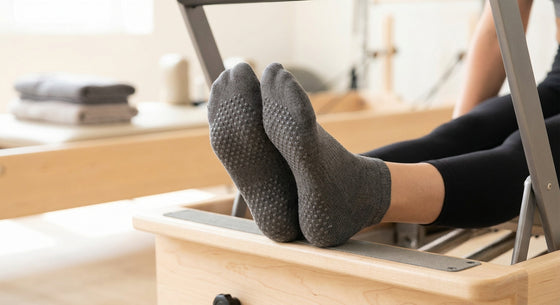
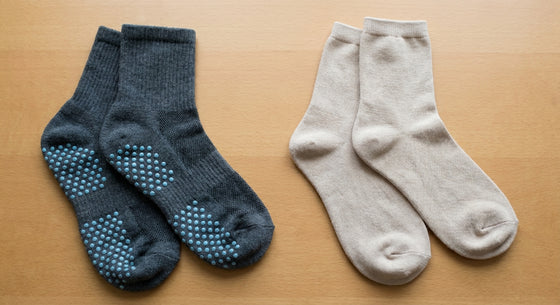
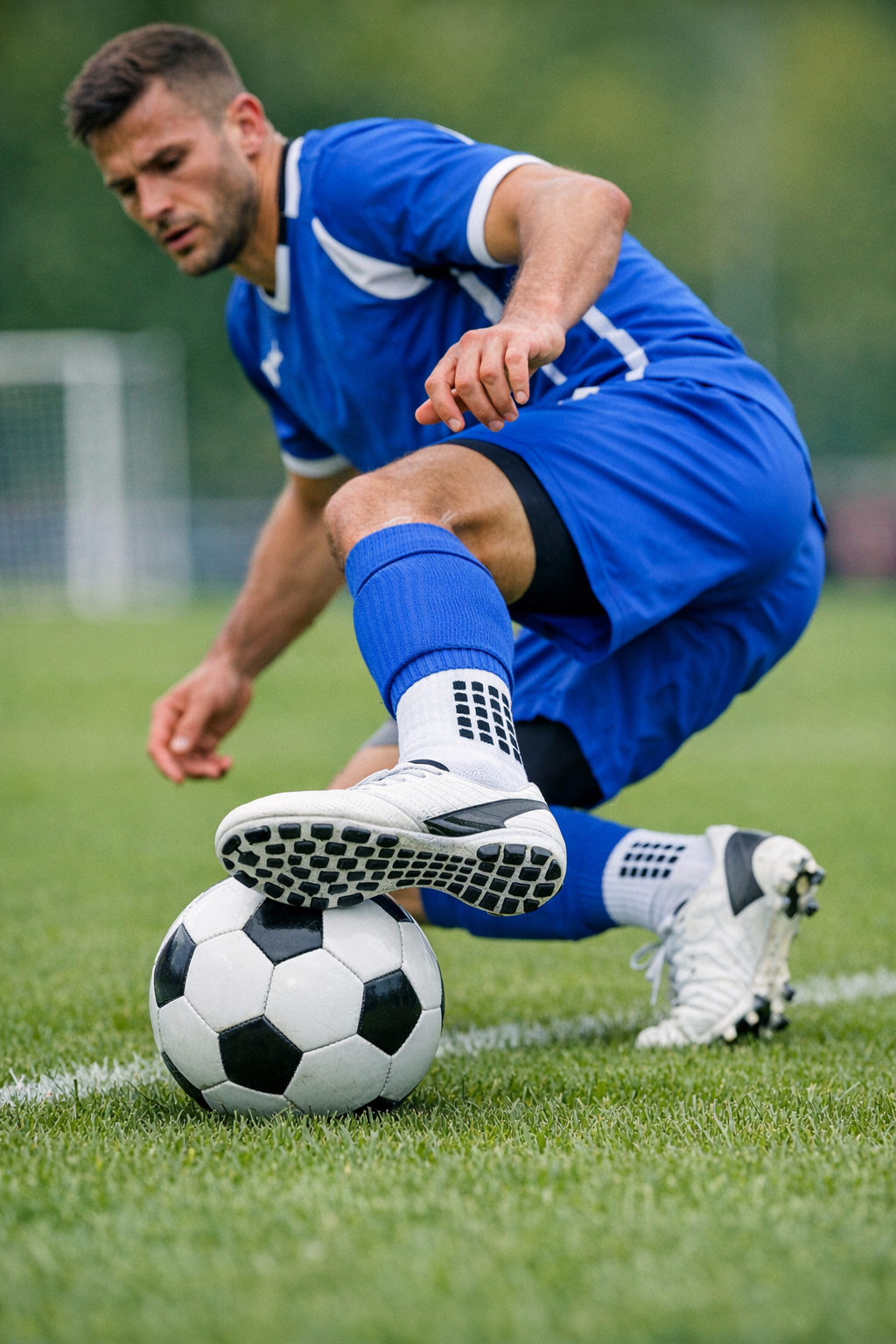
Grip socks are designed to increase friction between the sock and the boot’s insole. Most use traction elements under key areas like the heel and forefoot to help keep the foot “locked” in place. The intention is not to glue the foot down, but to reduce unwanted micro-movements during high load moments.
It is important to be clear about what they do not do. Grip socks do not replace strength, technique, or well-fitted boots, and they do not directly change how your boot strikes the ball. Instead, they target a specific performance leak: energy lost when your foot slides rather than driving cleanly into the boot and ground.
Are Grip Socks Good for Soccer?
The question “are grip socks good for soccer” comes up often because the benefits can feel subtle until you test them under intensity. For many competitive players, the most noticeable difference appears during explosive and reactive movements rather than steady-state running. If you rely on quick first steps, sharp cuts, and frequent decelerations, reducing internal slip can support more consistent mechanics.
That said, they are not universally positive for everyone. Some players prefer a small amount of natural movement in the boot, and an overly aggressive grip pattern can create friction in the wrong places. The “good” depends on the interaction between your foot shape, boot fit, playing surface, sock thickness, and sweat levels.
Performance Effects You Might Actually Notice
Acceleration and first-step explosiveness
During the first step, you want force to transfer quickly into the ground. If the foot shifts inside the boot, some of that intent gets absorbed by internal movement rather than propulsion. A more stable in-boot feel can translate into a cleaner push-off and improved confidence when you need to go instantly.
Deceleration, tackling, and planting for a turn
Soccer is often about stopping as much as going. Cutting and decelerating place high demands on foot stability, especially when planting on the outside edge or braking before a tackle. By reducing internal sliding, grip socks may help you feel more secure when you put the brakes on and redirect.
Repeated high-speed changes of direction under fatigue
Late in sessions or matches, technique tends to degrade. If your foot position inside the boot becomes less consistent, your movement patterns can get sloppy at the exact time you need control most. Many athletes report that a stable footbed makes it easier to repeat the same mechanics even when tired.
Ball Control: An Indirect Benefit
Grip socks do not change the boot’s surface, so they do not directly increase grip on the ball. The more relevant effect is consistency in how your foot sits inside the boot during touches, passes, and strikes. When your foot feels stable, you are less likely to make subconscious adjustments that alter your technique.
This can matter for players with high touch volume, such as midfielders and wingers, who are constantly accelerating, stopping, and reshaping their body to receive and release the ball. A consistent internal fit can help make mechanics more repeatable across hundreds of actions.
Comfort, Blisters, and Managing Training Loads
One practical reason teams use grip socks is to reduce friction hotspots. When the foot slides repeatedly, the skin experiences shear forces that can contribute to blisters, especially during heavy training blocks or tournaments. Less sliding can mean fewer irritation points for some athletes.
They can also reduce the sensation of “foot rolling” inside the boot during lateral movement, which some players describe as added confidence in cuts. Still, grip socks are not a medical solution for instability, recurring pain, or injury rehabilitation. For ongoing issues, it is wise to consult a qualified clinician and consider broader load management and footwear assessment.
What to Look for in Effective Grip Socks
Not all designs perform the same, and details matter. If you are evaluating options for yourself or a team order (including subtle, team-oriented solutions such as those offered by Nextwave Socks and similar suppliers), focus on performance characteristics rather than hype.
- Grip placement: Traction should align with pressure zones under the heel and forefoot without creating uncomfortable ridges.
- Moisture control: Breathable materials and sweat management help maintain traction when conditions get humid inside the boot.
- Compression and anatomical fit: A snug fit reduces bunching and keeps grip elements positioned correctly during play.
- Durability: Grip patterns should tolerate repeated training, match play, and washing without peeling or flattening quickly.
Trade-Offs and Common Mistakes
More grip is not always better. If traction elements are too aggressive or poorly placed, friction can increase in the wrong areas and irritate the skin. Players prone to hotspots should monitor changes carefully during the first few sessions.
Another mistake is using grip socks to compensate for poor boot fit. If the boot is too large, too narrow, or the heel shape does not match your foot, socks can only do so much. Start by ensuring proper sizing and lacing technique, then treat grip socks as a fine-tuning tool rather than a fix for fundamental fit issues.
How Teams and Players Should Test Them
The smartest evaluation method is simple: test grip socks under real demands, not just light jogging. Use a high-intensity training session that includes sprinting, cutting, and repeated ball work, and then collect feedback while sensations are fresh.
- Test during intensity: Include short sprints, hard decelerations, and multiple change-of-direction reps.
- Track comfort: Note any rubbing, pressure points, or new hotspots during and after.
- Assess stability late: Pay attention to how your feet feel in the final third of the session when fatigue increases.
- Compare consistently: Repeat the test across two sessions to control for surface, weather, and workload differences.
Key takeaway: If grip socks help you move more confidently and consistently without creating new irritation, they are likely a worthwhile addition to your match-day system.
Conclusion: A Performance Detail Worth Testing
Grip socks have earned a place in soccer because they address a real, measurable issue: internal foot slip. For many players, the value shows up in sharp actions like first steps, deceleration, planting, and repeated cuts, especially under fatigue. They can also support comfort by reducing friction, though they should be part of a broader approach that includes boot fit, foot care, and sensible training loads.
If you are deciding for yourself or selecting for a squad, treat grip socks like any other piece of performance equipment: test, gather feedback, and keep what genuinely improves consistency. Share your experience with teammates and staff, and consider standardizing what works best across your group for training and match play.
If you want to explore options or learn more about team and custom setups, visit are grip socks good for soccer and compare features based on fit, materials, and durability.
Grip that’s scientifically proven.
Join 23,197+ athletes. Free worldwide shipping, up to 44% off the latest drop.
Shop grip socks →