Grip Socks for Running: Traction & Performance
Grip Socks for Running: When They Help and When They Hurt
Grip socks have become more common in training rooms, locker rooms, and long-run kits. Some athletes swear they feel more stable on corners and downhills, while others feel “stuck” inside the shoe and prefer a smoother ride. The truth sits in the middle: grip socks can be a smart performance tool, but only when the design, fit, and training demands match what you actually do.
This article breaks down the sports science behind in-shoe traction, when grip socks tend to help runners and field athletes most, and what trade-offs to consider. If you are trying to solve slipping, blisters, or stability in wet conditions, you will leave with clear guidelines to test what works for your body and sport.
How grip socks work inside the shoe
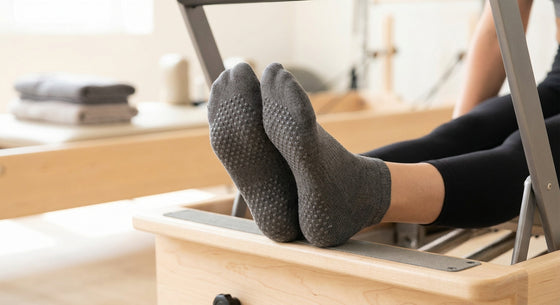
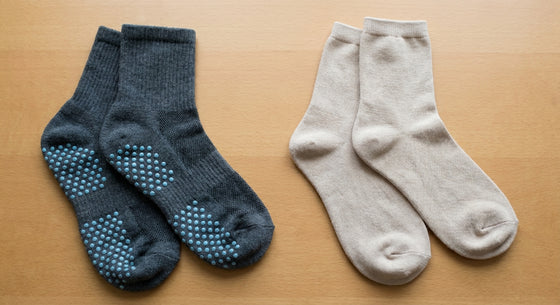
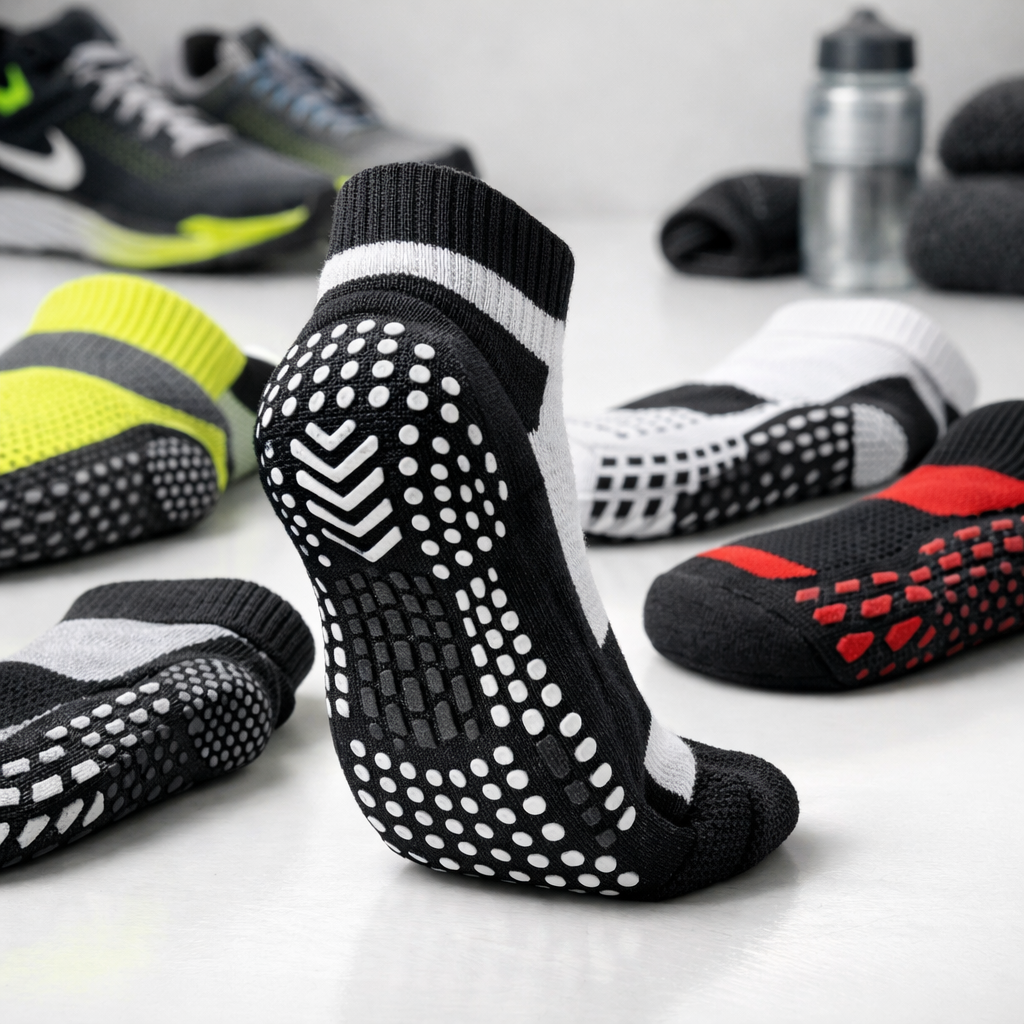
The main idea is simple: grip socks use silicone or rubberized patterns on the sole to increase friction against the insole. More friction can reduce foot slide during acceleration, cutting, hard braking, and downhill running. This can create a more “locked-in” feel, especially in low-volume shoes or minimalist setups.
From a performance standpoint, reduced sliding can also mean fewer micro-movements across the skin. Those micro-movements are one of the common pathways to hot spots and friction blisters. When the foot is more stable inside the shoe, some athletes also report better confidence when landing, pivoting, or changing direction.
Grip versus fit: what traction cannot fix
Grip socks are not a substitute for properly fitted footwear. If your shoe is too large, your heel lifts, or the midfoot is not secure, grip can only help so much because the whole shoe is moving around your foot. In that situation, the “solution” is often a better fit, different lacing, or a different shoe last.
At the same time, a well-fitted shoe plus a well-constructed grip sock can be a strong combo. When everything is the right size, the grip elements can reduce the small, repeated slides that happen under higher forces, like sprinting, sharp turns, and downhill braking.
Are grip socks good for running
Are grip socks good for running? They can be, but it depends on the type of running you do, the surfaces you train on, and the specific problem you are trying to solve. Grip socks tend to shine when in-shoe movement is higher and when stability demands are greater.
For steady, long aerobic runs on flat ground, some runners prefer a more natural foot glide inside the shoe. In those cases, very aggressive grip can feel “grabby,” and the sensation can be distracting over time. The best approach is to match grip level to your training session rather than treating one sock as perfect for every run.
When grip socks tend to help the most
Grip socks are often most useful in sessions where force production and direction changes increase the chance of foot slide. That includes both runners doing faster work and athletes in field and court sports who repeatedly cut and accelerate. Wet conditions can also amplify in-shoe slip, making traction more noticeable.
- Speed work and intervals: Higher ground reaction forces can increase internal shoe movement, especially during toe-off and hard turns on the track.
- Trail running and uneven terrain: Downhill braking and lateral stability demands can make a “locked-in” feel more valuable.
- Wet or humid conditions: Moisture can reduce friction, so grip can help limit sliding when standard socks get damp.
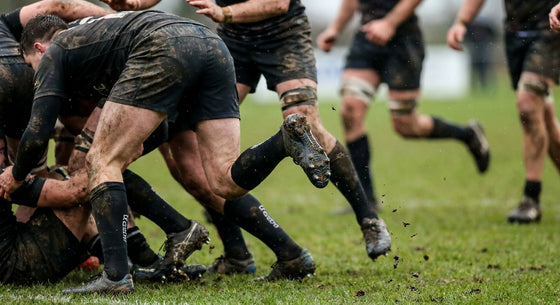
- Sports that involve cutting: Soccer, lacrosse, rugby, and basketball-style conditioning often benefit from in-shoe traction during quick changes of direction.
For teams, grip socks can also support consistency across a roster. Reducing in-shoe movement is not only about comfort; it may help athletes feel more stable when transitioning from practice speed to game speed.
The trade-offs: heat, breathability, feel, and durability
Like any gear change, grip comes with trade-offs. Adding silicone or rubber elements can trap heat and reduce breathability if the sock is not engineered with ventilation zones. If you train in hot weather or have sweaty feet, moisture management becomes a performance feature, not a luxury.
Some athletes also experience bunching or pressure points when grip elements are thick, stiff, or poorly placed. If the sock “grabs” the insole too aggressively, it can change the feel of your gait cycle, particularly during longer runs when you want smooth transitions.
Durability varies widely. Aggressive grip patterns can wear down faster with high mileage, frequent washing, or gritty insoles. When traction dots begin to flatten, performance can change gradually, so it is worth rotating pairs and periodically checking the pattern for wear.
What to look for in a high-performance grip sock
Grip is only one part of the equation. Fit, construction, and materials determine whether the sock stays in place, manages moisture, and avoids pressure points. For athletes chasing high performance, small construction details often matter as much as the traction pattern itself.
- Snug arch band: Helps reduce migration and keeps the sock from sliding forward or twisting during acceleration.
- Shaped heel pocket: Improves heel fit and reduces bunching that can cause blisters.
- Left and right anatomical fit: Helps prevent rotation and improves consistency under lateral forces.
- Moisture management: Look for wicking yarns and mesh panels to reduce dampness that can increase friction hot spots.
- Targeted cushioning: Useful for longer runs or athletes prone to forefoot and heel irritation, but too much bulk can change shoe fit.
Compression can be helpful for proprioception and stability, but it should not be so tight that it causes numbness or tingling. If your toes fall asleep, your sock is not “more supportive,” it is simply too restrictive.
Pattern placement: where traction matters most
Traction works best when it matches pressure zones. Many athletes load the forefoot heavily during sprinting and the midfoot during quick cuts, while downhill running adds braking load that can increase forward slide. A well-designed pattern supports these demands without locking the foot in place unnaturally.
If you are unsure what you need, test grip socks during controlled sessions first. Use a familiar route, similar pace, and the same shoes so you can isolate what the sock is changing.
Practical testing guide for athletes and teams
If you want to evaluate grip socks objectively, treat it like any other equipment change. A short trial during high-intensity work will reveal more than a casual jog. Pay attention to heel lift, toe splay comfort, hot spots, and whether the sock stays aligned after repeated reps.
- Start with shoe fit: Confirm your shoe size and lockdown first, using lacing adjustments if needed.
- Test on your highest-demand session: Intervals, hill repeats, or cutting drills are where in-shoe slip shows up.
- Check skin after: Look for redness or irritation in common hot spot zones (heel, arch edge, toe box).
- Re-test in wet or humid conditions: If slipping is your issue, moisture is where grip often earns its place.
- Evaluate durability: Wash and re-use several times, then compare feel and traction consistency.
If you want more background on blister mechanics and friction management, the National Library of Medicine Bookshelf is a useful starting point for evidence-based reading. For broader training context, the American College of Sports Medicine provides resources on performance and conditioning principles that can help you decide when gear changes matter most.
Custom grip socks for teams: performance comes from alignment
For clubs and teams, custom grip socks can be a practical way to standardize fit and function across athletes, as long as the design matches the sport. That means choosing pattern placement based on movement demands, selecting materials that tolerate repeated wash cycles, and offering thickness options that suit both speed sessions and high-contact training.
Some programs explore custom options through providers such as Nextwave Socks, focusing on matching sock construction to use case rather than chasing the most aggressive grip possible. The best-performing team setups are usually the simplest: consistent fit, reliable moisture control, and traction that supports the way athletes actually move.
Key takeaway: Grip socks can improve in-shoe stability and reduce blister-causing movement during high-intensity, multi-directional, or wet-condition training, but they work best when paired with proper shoe fit and breathable, anatomically shaped construction.
Conclusion: use grip as a tool, not a guarantee
Grip socks can be a meaningful upgrade for runners and field or court athletes when slipping, instability, or wet-condition control is limiting performance. They are most valuable in faster sessions, trail downhills, and sports that require repeated cutting. They are less universally helpful for long, steady running where some athletes prefer a smoother, less “locked” feel.
If you are experimenting, start with your hardest sessions, monitor comfort and skin response, and choose a design that balances traction with breathability and fit. Share what you notice with teammates, because the best gear decisions often come from comparing real training outcomes, not hype.
Want to keep learning and dial in your kit for competition? Explore resources and updates here: are grip socks good for running.
Grip that’s scientifically proven.
Join 23,197+ athletes. Free worldwide shipping, up to 44% off the latest drop.
Shop grip socks →