Are Grip Socks Good for Basketball? Court Stability & Grip
Grip Socks for Basketball: Traction, Stability, and Smarter Footwork
Basketball is a game of split-second stops, sharp cuts, and fast re-acceleration. While most athletes think “traction” starts and ends with the outsole gripping the court, a surprising amount of control is determined inside the shoe. That is where grip socks come in.
This article breaks down how grip socks work, when they can improve performance, and when they might not be the right tool for your setup. If you are an individual athlete chasing a more locked-in feel or a team trying to standardize on-court comfort, the goal here is simple: help you understand the sports science so you can make an informed choice.
What Grip Socks Actually Do (Inside-the-Shoe Traction)
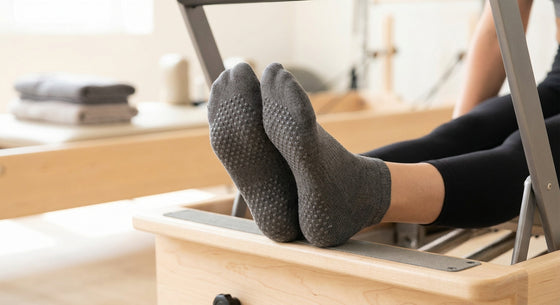
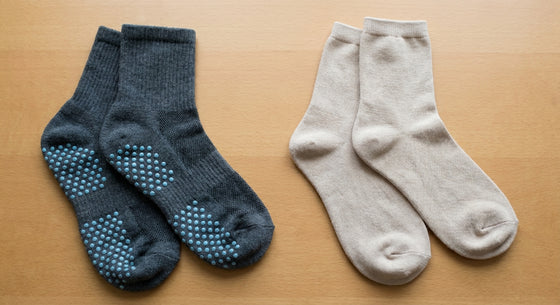
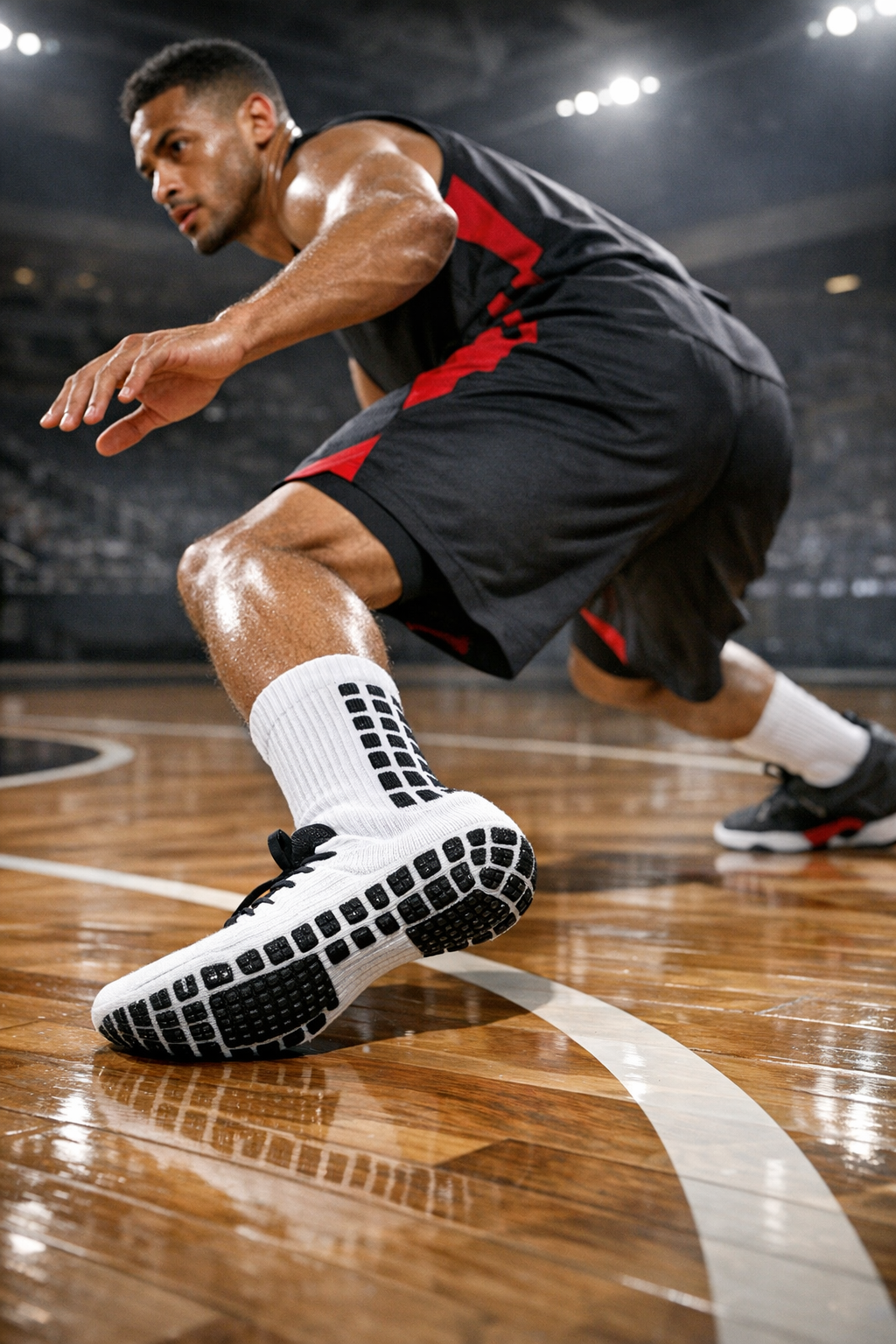
Grip socks are athletic socks designed with silicone or rubberized patterns on the sole. Those patterns increase friction between your foot and the sock, and between the sock and the insole. The main benefit is reducing internal foot slide, which often happens during hard decelerations, pivots, and lateral shuffles.
That “inside-the-shoe traction” matters because even if your shoe outsole grips the floor well, your foot can still shift within the shoe. Micro-slippage can reduce stability and make movement feel less precise. In performance terms, it can also delay your ability to reapply force quickly after a stop.
Are grip socks good for basketball
For many players, the answer is “often, yes” provided the rest of the footwear system is solid. Basketball movement includes repeated high-force cuts and frequent changes of direction. When grip socks reduce internal movement, athletes may feel more stable when planting, more secure when jumping, and more confident changing pace.
The key is understanding what you are trying to improve. Grip socks will not magically add vertical jump or replace skill work. They can, however, support better execution by reducing unwanted foot motion that can disrupt positioning and timing.
Performance Benefits: Why Players Notice a Difference
1) Cleaner cuts and faster re-direction
Cutting is largely about how quickly you can decelerate, plant, and accelerate again. If your foot slides inside the shoe during the plant, some of your effort is wasted stabilizing instead of driving. A grippier interface can make footwork feel more “connected,” especially on defense and during quick changes of angle.
2) A more locked-in feel during stops, pivots, and shuffles
Many players describe grip socks as improving “containment” inside the shoe. During hard stops (like a pull-up or sudden change of pace), less internal slide can reduce that unstable sensation where your foot feels like it is swimming. For defenders, that can translate to more confident lateral shuffles and positioning.
3) Reduced hotspots and blister risk for some athletes
Blisters often come from repeated friction in the same spot caused by micro-movement. If grip socks reduce the amount your foot rubs against the insole and shoe lining, they may reduce hotspots for some players. This is not guaranteed, but it is a common reason athletes experiment with grip socks during high-volume training weeks.
When Grip Socks Might Not Help (and What to Fix First)
Grip socks work best when the shoe and insole setup is already close to correct. If your shoes are too large, broken down, or poorly matched to your foot shape, grip patterns can only do so much. In some cases, the “solution” is sizing, lacing strategy, or replacing a worn insole rather than adding more grip.
Also consider the surface under your foot. Some insoles are slick when wet, especially once they are worn smooth. Grip socks may help, but if the insole is the weak link, upgrading to a higher-friction insole surface or a more secure fit can be the bigger win.
Choosing the Right Grip Level: Sticky Versus Natural Slide
Not every player wants maximum stickiness. Some athletes prefer a small amount of natural foot repositioning, especially if they adjust foot placement frequently between plays. Very aggressive grip patterns can feel “too sticky,” which may be distracting or even increase discomfort if the foot cannot settle naturally.
Think of grip intensity as a range rather than a yes-or-no feature. A moderate grip can offer stability without feeling like your foot is glued in place. Testing different levels during practice is usually the best way to find your sweet spot.
Comfort and Fit Factors That Matter More Than Most People Expect
Grip is only one part of the performance equation. If the sock is uncomfortable, bunches at the toes, or traps heat, it can become a distraction. Teams and athletes should evaluate the full construction, not just the grip dots.
- Breathability and sweat management: sweaty feet can change friction and feel, so ventilation and moisture-wicking materials matter.
- Padding placement: targeted cushioning can improve comfort, but too much thickness can alter fit and heel lockdown.
- Cuff compression: some athletes like a secure cuff, while others find tight compression irritating over long sessions.
- Toe and heel structure: a secure heel pocket and smooth toe seam help prevent bunching and pressure points.
If you want a deeper dive into blister prevention basics, the American Academy of Dermatology Association offers helpful background on friction blisters through its friction blister education page. While it is not basketball-specific, the mechanics of skin irritation carry over well.
How to Test Grip Socks the Right Way (So You Know They Work for You)
The biggest mistake is trying new socks for the first time in a game. Instead, treat them like any performance change: test, evaluate, adjust. Use practice sessions to see whether grip improves movement quality or just feels different.
- Start in practice at normal intensity: include defensive slides, closeouts, sprint-to-stop drills, and live cuts.
- Pay attention to one metric: for example, “do my feet feel more stable on hard stops?” rather than judging everything at once.
- Test with your usual shoes and insoles first: change only one variable so you can attribute the effect correctly.
- Repeat after washing: grip performance can change after multiple wash cycles, so re-check feel and traction.
Also note whether you experience new pressure points. A sock that increases friction can sometimes shift where forces are felt, especially around the forefoot or heel. If discomfort increases, try a different grip intensity or address fit issues in the shoe.
Team Considerations: Consistency, Identity, and Fewer Variables
For teams, grip socks can be more than an individual preference. Standardizing sock type can reduce day-to-day variability, especially when athletes rotate between different shoe models or training loads. Consistent “foot feel” can be useful during long seasons when small irritations add up.
Custom options can also support uniformity and team identity while maintaining consistent on-court performance. Some programs explore providers such as Nextwave Socks for team-wide builds, mainly to keep sizing, materials, and grip levels consistent across the roster without turning it into a major equipment project.
Key takeaway: Basketball traction is not only about the outsole gripping the floor. Reducing internal foot slide can improve stability, confidence, and comfort during the movements that matter most.
Conclusion: A Useful Tool, Not a Shortcut
Grip socks can be a worthwhile upgrade for basketball players who care about sharp cuts, stable landings, and a secure fit inside the shoe. Their main advantage is improving friction where many athletes overlook it: between the foot, sock, and insole. When that interface is more stable, performance can feel more precise and controlled.
The best approach is to test grip socks during practice, not competition, and evaluate them alongside shoe fit and insole condition. If you find the right grip level and a comfortable construction, grip socks can become a dependable part of your performance setup rather than a gimmick.
If your program is considering consistent performance gear across the roster, explore options and share what you have learned with teammates. Learn more here: are grip socks good for basketball.
Grip that’s scientifically proven.
Join 23,197+ athletes. Free worldwide shipping, up to 44% off the latest drop.
Shop grip socks →