Grip Socks: Who Sells Them & Athlete Buying Guide 2024
Grip Socks in 2024: How to Choose the Right Pair for Performance
Grip socks have moved from a “nice-to-have” to a standard piece of high-performance kit in sports where quick cuts, acceleration, and stable footing matter. If you have ever felt your foot slide inside your boot or shoe during a hard change of direction, you already understand why athletes care about in-shoe traction.
This guide breaks down what actually makes grip socks work, what to look for in fit and construction, and how to evaluate buying options based on your situation. Whether you are an individual athlete, a coach ordering for a roster, or a program with branding requirements, the goal is the same: reduce distractions and support confident movement.
What grip socks are really doing (sports science in plain terms)
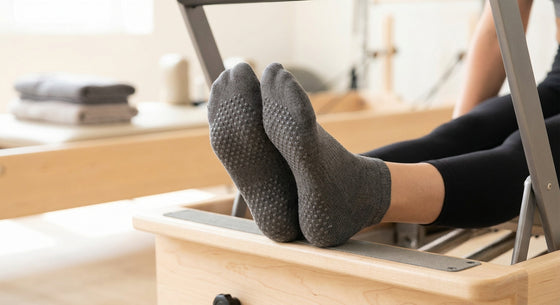
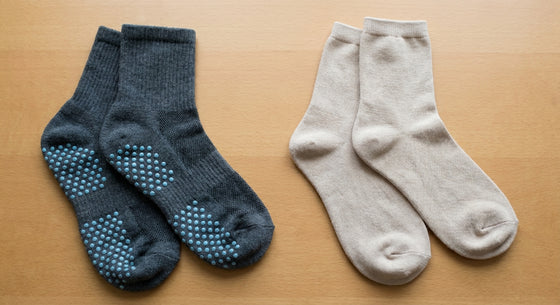
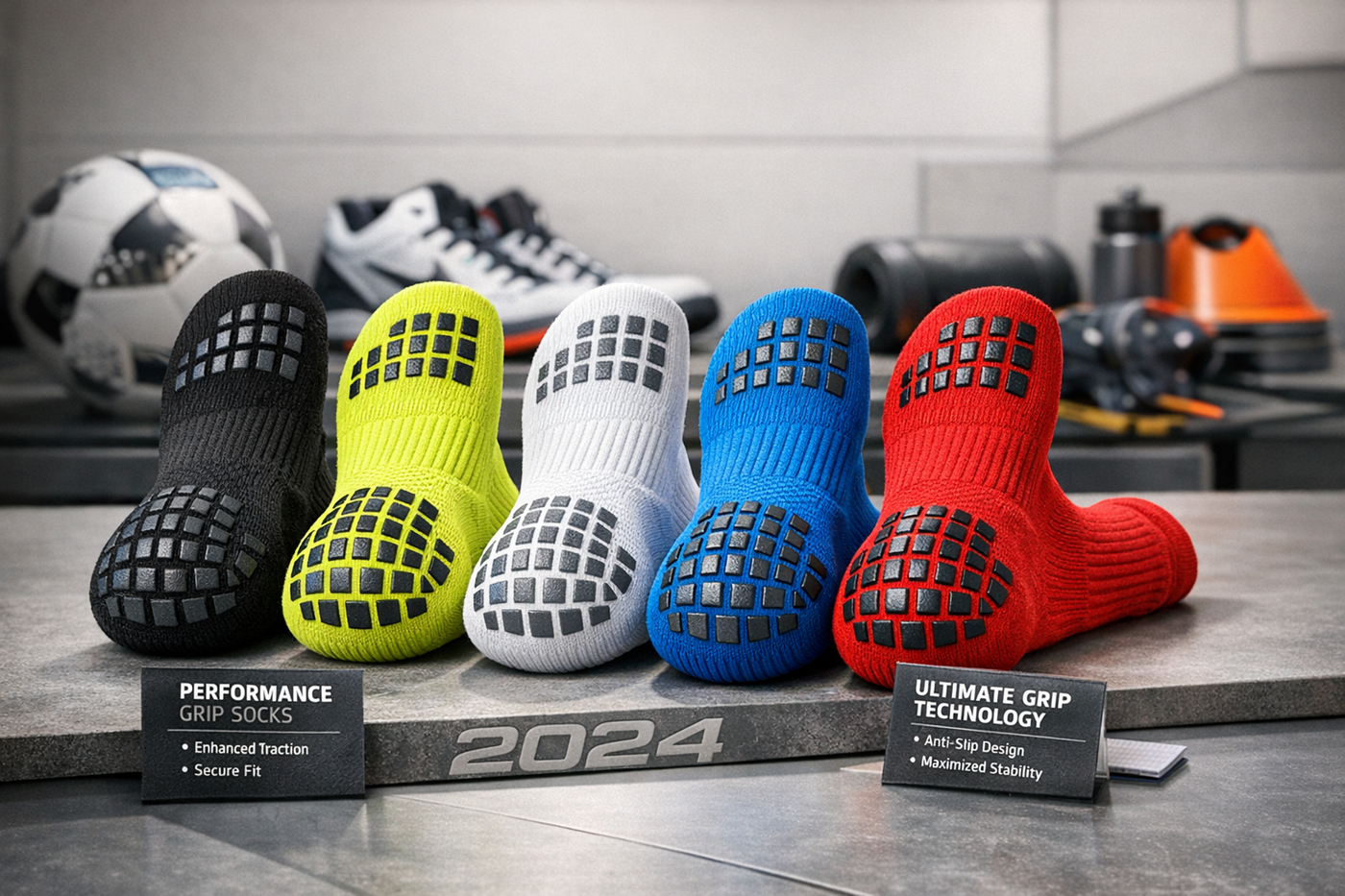
The defining feature of grip socks is the grip system: silicone or similar tread placed on the sole to reduce in-shoe slippage. Less slippage can mean more consistent force transfer when you push off, brake, or cut, especially when fatigue sets in and foot control gets sloppy.
In practice, grip socks support performance by improving the “connection” between your foot and footwear. That can help reduce micro-movements that contribute to hotspots and blisters. It can also improve perceived stability, which matters when you are making rapid decisions at speed.
Grip pattern quality matters more than you think
Not all grip systems perform the same. Pattern shape, coverage area, and density all affect traction, especially during lateral movements and toe-off. Durability also varies: some grips maintain traction after repeated washes, while others flatten, peel, or lose bite.
Another key variable is moisture. Sweat, rain, and wet turf can change how both the sock and the inside of the shoe behave, so it is worth looking for feedback from athletes who play in similar conditions to yours.
Who sells grip socks?
In 2024, athletes typically buy grip socks through three main channels. Each option can work well, but the best choice depends on whether you are buying one pair, outfitting a team, or managing a program that needs consistent reorders.
1) Specialty performance sock brands
These sellers often focus heavily on grip design and sock construction, sometimes offering multiple thicknesses and sport-specific builds. Quality can be excellent, but prices per pair may be higher. Availability is usually strong online, though popular sizes can sell out mid-season.
2) Major sporting goods retailers and marketplaces
This channel tends to offer a wide range of options, rapid shipping, and easy returns. The trade-off is consistency: two socks with similar descriptions may perform very differently. Reviews help, but they can be noisy unless you filter for your sport, surface, and position demands.
3) Teamwear and custom uniform suppliers
For clubs, schools, and academies, custom suppliers are often the most practical route for matching colors and building a unified look. Lead times and minimum order quantities can be the main constraint. This is also where reorder reliability becomes critical, especially when new athletes join mid-season.
How to evaluate grip socks: a practical checklist
Marketing claims are easy to make, so it helps to shop with a simple performance checklist. The goal is to spot the construction details that influence comfort, durability, and game-day feel.
- Material blend: Look for moisture management and durability, not cotton-heavy mixes that hold sweat and lose structure.
- Breathability zones: Mesh or ventilation panels can reduce heat buildup, especially in tight boots and indoor shoes.
- Reinforcement: Extra durability in the heel and forefoot matters for athletes who pivot hard or train at high volume.
- Grip durability: Check whether users report the grip staying effective after repeated washes.
- Care instructions: Washing and drying guidance can determine whether grip tread stays tacky or breaks down early.
When reading reviews, prioritize athletes in similar conditions. Indoor court sports tend to stress different areas than turf, and positions can matter too. For example, athletes who dive, drag, or scramble often wear through toes and forefoot zones faster than athletes who stay mostly upright.
Fit and sizing: where performance is won or lost
Grip socks are often tighter and more structured than everyday athletic socks, so sizing matters. A sock that is too small can feel overly compressive and restrict toe splay, while a sock that is too large can bunch and create friction points. Either problem can distract you from movement quality.
Sizing systems and reorder consistency
Some brands size by shoe range, others use S–XL, and some publish both. Teams should confirm what system is used and document it for reorders. Consistent sizing becomes especially important when restocking mid-season or placing a second batch for new athletes.
Seams, heel lock, and internal feel
Seam placement is an overlooked detail that can become a blister problem under high mileage. Flat toe seams and smooth internal construction help reduce hotspots. A shaped heel pocket or “heel lock” design is also valuable, because if the sock itself slides, the grip system cannot do its job reliably.
Key takeaway: The best grip sock is not the grippiest one on paper. It is the one that stays planted on your foot, stays effective when damp, and remains comfortable across training volume.
Sport-specific considerations (soccer, lacrosse, field hockey, football, and more)
Different sports create different traction demands. Field sports with boots or cleats often require stable footing during cuts, while court sports may emphasize rapid deceleration and lateral transitions. The right sock choice depends on your footwear, surface, and how you move.
Height, shin guards, and layering options
For sports that use shin guards, sock height and guard compatibility matter. Some athletes prefer a thin performance base sock plus separate sleeves, while others want a single sock solution for simplicity. If your program has uniform rules, clarify what is allowed before ordering.
Padding and compression placement
Padding in the heel and forefoot can reduce impact discomfort, but too much bulk can change boot fit. Targeted compression through the midfoot and arch can improve feel and reduce bunching. Consider your priorities: minimal thickness for touch and fit, or more cushioning for comfort and durability.
Customization and fulfillment for teams and programs
For teams, the biggest differentiators are often customization and logistics. Custom grip socks can include team colors, player numbers, and logos, but you should ask about minimum order quantities, sample approval, and lead times. It is also smart to confirm whether the grip pattern remains consistent across custom runs.
Reorders are where many programs struggle. Before committing, ask how suppliers handle mid-season additions and whether they can maintain color matching and size availability across multiple batches. Some teams work with providers such as Nextwave Socks for custom teamwear, but the key is not the name on the label, it is whether the supplier can consistently deliver the same fit and performance over time.
Defining “value”: cost per pair versus cost per season
Value is not always the lowest price per pair. For an individual athlete, value might mean the best feel in your footwear and the longest grip life through washing cycles. For a team, value might mean consistent sizing across the roster and predictable delivery for replacements.
Before you buy, decide what matters most: durability, comfort, grip performance when damp, uniform compliance, or customization. That decision will make the “best” place to buy much clearer and help you avoid trial-and-error purchases that end up in the bottom of the drawer.
Conclusion: choose grip socks that support performance, not distraction
Grip socks can be a meaningful performance and comfort upgrade when they are built well and fit correctly. Focus on grip durability, sock construction, seam comfort, and sizing consistency, then match your purchase channel to your needs as an athlete or team. A little diligence up front can pay off in better traction, fewer hotspots, and more confident movement.
If you are comparing options for your roster or evaluating custom orders, explore who sells grip socks? and share what has worked best for your sport and playing conditions in the comments.
Grip that’s scientifically proven.
Join 23,197+ athletes. Free worldwide shipping, up to 44% off the latest drop.
Shop grip socks →