How to Wear Grip Socks for Comfort and Performance 2024
Grip Socks in 2024: A Practical Guide to Traction, Comfort, and Durability
Grip socks have gone from a niche accessory to a regular part of high-performance kits in 2024. For athletes and teams, the upside is simple: better in-shoe stability, fewer hot spots, and more consistent foot control when you cut, brake, and re-accelerate.
But grip socks are not “magic.” The full benefit depends on fit, placement, sport-specific use, and basic care. This guide breaks down how to integrate grip socks into training, competition, and rehab with an emphasis on performance and sports science, not hype.
How grip socks improve performance (and when they do not)
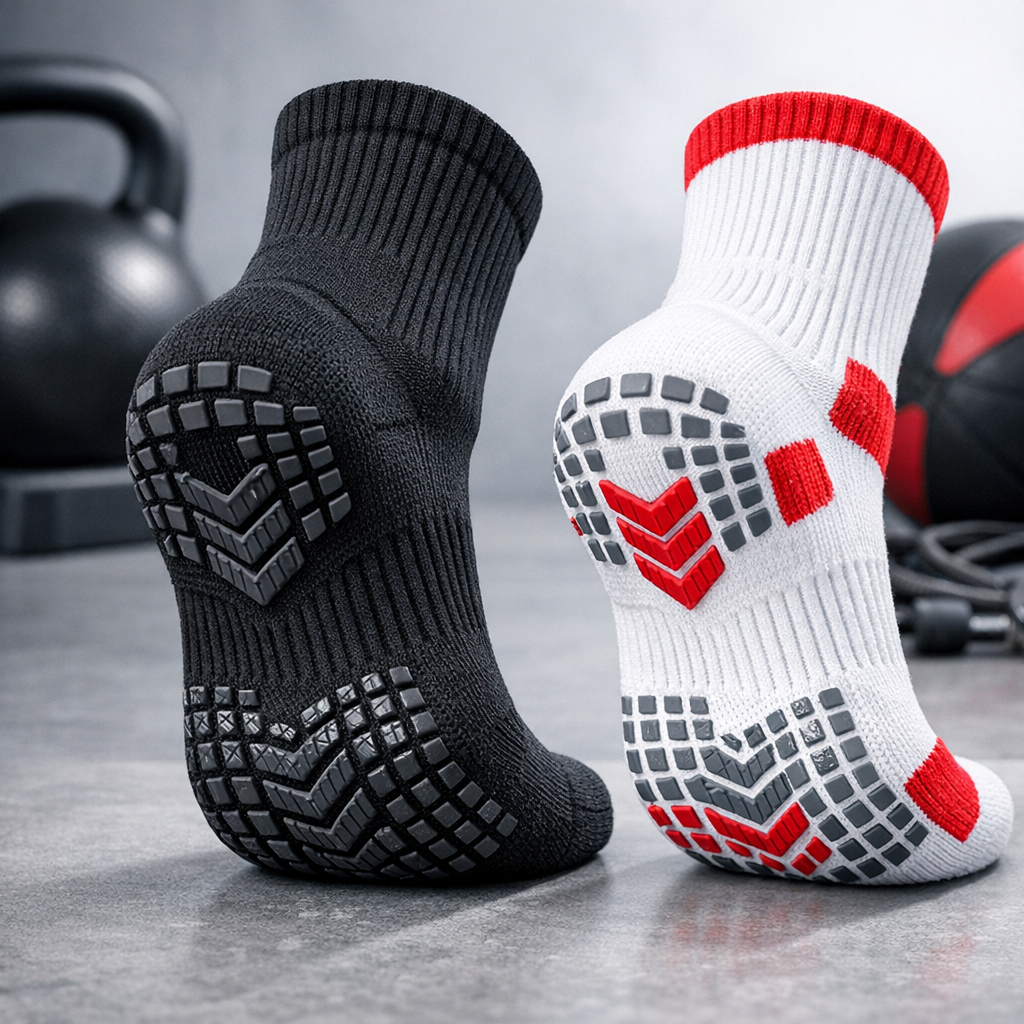
Traction is only useful when it is consistent. In most sports, the problem is not outsole slip on the floor, it is foot slip inside the shoe, which can waste energy and increase friction on the skin. Grip elements help stabilize the foot relative to the insole, which can improve “locked-in” feel during quick direction changes.
That said, grip socks cannot compensate for boots or trainers that do not fit. If a shoe is too long, too wide, or broken down, the foot will still move and the sock will wear faster. Think of grip socks as a force multiplier for good footwear choices, not a replacement for them.
how to wear grip socks?
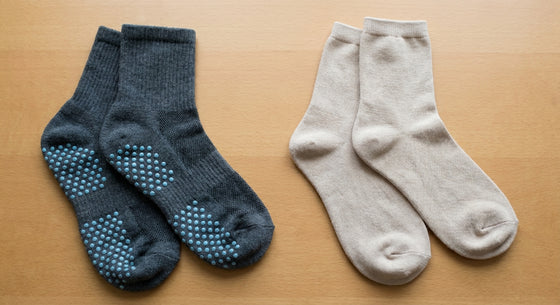
If you want the traction benefits, start with the basics: fit and alignment. Grip socks should feel snug through the midfoot and heel, with secure contact under the arch and forefoot. They should not cut off circulation, cramp toes, or leave deep pressure marks that linger.
Step-by-step: get the heel pocket and grips aligned
- Slide the sock on and ensure the heel pocket sits directly on your heel, not underneath it or off to the side.
- Smooth the fabric under the arch and forefoot so the grip pattern lies flat with no wrinkles.
- Pull the sock up gradually to avoid twisting, then re-check that the heel seam and toe box feel centered.
- Stand and perform a few moves you will use in-session: short accelerations, decelerations, and lateral shuffles. If you feel sliding or bunching, adjust or reassess sizing.
A smooth, even contact surface is what delivers reliable traction. Wrinkles create pressure points and inconsistent grip, which can feel “grabby” in one spot and slippery in another.
Fit checks that teams can standardize
Teams get better results when everyone wears grip socks the same way, especially if multiple players use the same footwear model. A simple check-in routine before training reduces complaints and prevents avoidable blister issues.
- No sliding: the sock should not migrate during warmups.
- No bunching: folds under the arch or toes predict hotspots later.
- No deep marks: tight bands that leave pronounced lines can signal compromised circulation or wrong sizing.
Match your grip setup to sport, surface, and footwear
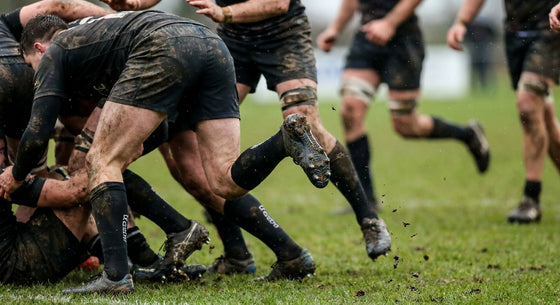
Grip socks shine when the sport demands rapid changes of direction and repeated braking. Indoor court athletes often notice the biggest difference because shoe interiors can become slick with sweat, and the stop-start rhythm amplifies in-shoe movement. Field athletes can benefit too, especially in wet-weather sessions where foot slip inside boots increases.
Indoor shoes, trainers, and boots
Inside shoes and boots, the goal is reduced micro-movement. That can improve comfort and help preserve energy transfer from foot to shoe. If you are using boots, pay attention to volume: a thicker sock can change fit, while a thinner compressive sock can improve responsiveness and reduce “spongy” feel.
- Boots: confirm toe space and heel hold after switching sock thickness.
- Indoor court shoes: prioritize a snug midfoot wrap and moisture control.
- Training shoes: use grip socks for agility work, plyometrics, and change-of-direction sessions where shear forces are high.
Barefoot disciplines and studio work
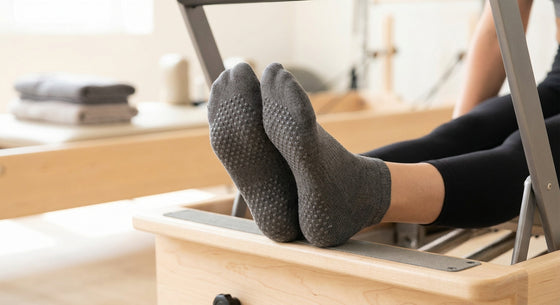
For Pilates, yoga, and martial arts warmups, grips should cover high-contact zones without feeling sticky or restrictive. If the sock limits toe splay or creates a “stuck” sensation during pivots, consider a different cut or a more flexible knit. The best setup supports stable contact without disrupting natural foot mechanics.
Layering: when “more” increases friction
Many athletes get the best results wearing grip socks directly against the skin. This reduces shear forces between layers and can lower the chance of hotspots. Adding layers can create sock-on-sock friction, which sometimes increases heat and rubbing.
If you need a base layer for warmth or skin sensitivity, keep it very thin and smooth. The liner should minimize seams and texture so it does not become the new friction source. If blisters increase after adding a liner, remove it and reassess fit first.
When to deploy grip socks for maximum benefit
Grip socks are most useful when your session increases speed of movement, sweat accumulation, or stability demands. Rather than wearing them for everything, consider them a tool you deploy when the performance upside is highest. Rotating pairs also helps maintain consistent grip across the season.
- High-cadence agility sessions: repeated cuts, shuffles, and re-acceleration.
- Indoor court work: high friction demands plus higher sweat load.
- Wet-weather training: more in-shoe slip even if the outsole grips the surface well.
- Return-to-play phases: stability-focused progressions where confidence and control matter.
- Long travel days: swelling can reduce “secure” feel and increase rubbing on arrival.
Just like rotating shoes, rotating socks matters. Using the same pair every session accelerates wear, reduces grip effectiveness, and can change the feel underfoot in ways that affect movement quality.
Moisture, heat, and blister prevention
Grip elements can help reduce sliding, but wet feet still increase risk. Sweat changes how friction behaves at the skin, and that can lead to rubbing even when traction feels strong. Look for breathable knits and moisture-wicking yarns, then change socks soon after heavy sessions.
If blisters are recurring, start with fit and alignment. Next, address foot prep: keep nails trimmed, manage calluses, and consider anti-chafe products in known hotspots. For a practical overview of blister mechanics and prevention, see the NCBI overview on friction blisters.
Key takeaway: traction is not only about the grip pattern. Dryness, fit, and wrinkle-free contact often decide whether a “good sock” performs like one.
Care and longevity: keep grip performance consistent
Durability is not just a cost issue, it is a performance consistency issue. When grip elements clog with residue or elastic breaks down, athletes feel different levels of traction day to day. That can affect confidence during sharp movements and change how players load joints during deceleration.
Simple wash rules that preserve grip
- Wash inside out on a cold, gentle cycle.
- Avoid fabric softeners because they can reduce wicking and grip performance.
- Air-dry to protect elastic fibers and grip elements from heat damage.
Team systems: fewer lost socks, more consistent feel
Teams can reduce mismatch and uneven wear with basic operations. Labeling systems, mesh wash bags, and a rotation plan keep pairs together and help maintain consistent grip across training blocks. If you are working with a supplier such as Nextwave Socks, align sizing guidance across the roster so players do not “solve” fit issues by over-tightening laces or doubling socks.
Conclusion: small details that add up
Worn correctly, grip socks can improve stability, reduce in-shoe movement, and keep athletes more comfortable over long sessions. The biggest gains come from fundamentals: correct sizing, heel alignment, wrinkle-free contact, and sport-appropriate use. Add smart moisture management and proper care, and grip socks become a reliable performance staple rather than a short-lived experiment.
If you have a team-wide approach that has worked well or a troubleshooting question about fit, share it with your staff or training group and compare notes. For more resources, you can explore how to wear grip socks? and related team set-up options.
Grip that’s scientifically proven.
Join 23,197+ athletes. Free worldwide shipping, up to 44% off the latest drop.
Shop grip socks →