How to Wash Grip Socks for Performance and Longer Life
How to Wash Grip Socks So They Keep Their Traction
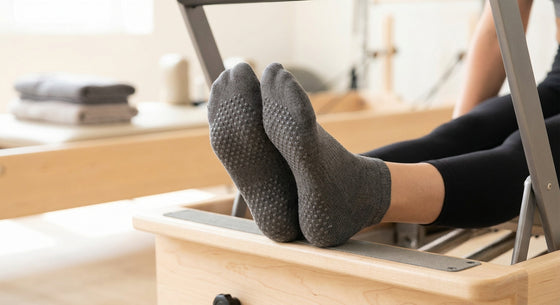
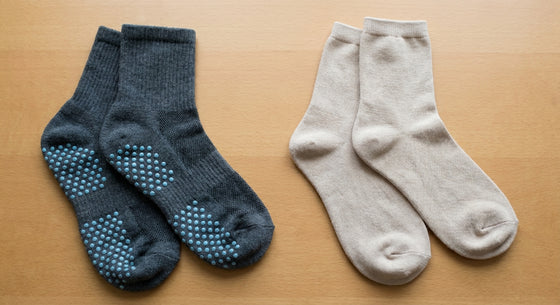
Grip socks are a small piece of kit that can make a big difference in stability, change of direction, and overall footing during training and match play. Their performance depends on two things staying consistent: tacky grip elements and supportive, breathable fabric. When either one degrades, athletes often notice more in-shoe slipping, hot spots, and a less locked-in feel.
This guide covers practical, athlete-friendly habits for keeping grip socks performing like new. Whether you are an individual rotating a few pairs or a team managing full kit loads, the goal is the same: protect traction, preserve fit, and keep odor under control without harsh shortcuts.
Why washing matters for athletic performance
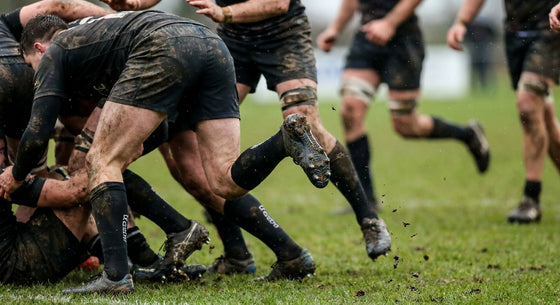
Grip patterns collect sweat salts, body oils, dust, and turf pellets. Over time, that build-up can create a slick layer that reduces friction where you want it most: between sock and boot insole. Even if the sock looks clean, residue can quietly change the feel underfoot.
Heat and aggressive chemicals can also break down elastane fibers, which affects compression and shape retention. As the fabric relaxes, athletes may compensate by tying laces tighter or adjusting footwear, which can contribute to discomfort and inconsistent fit across sessions.
How to wash grip socks?
If you only remember one principle, make it this: clean them soon, wash them gently, and dry them cool. That combination protects both the grip and the stretch fibers. It also reduces odor without relying on additives that can leave a film.
Step 1: Wash soon after use (do not let grime set)
Sweat and debris are easiest to remove when they are fresh. Leaving used socks balled up in a sealed bag for hours lets moisture and bacteria thrive, increasing odor and making residues harder to wash out. A simple habit of airing them out before laundry helps a lot.
Quick pre-wash routine for athletes and teams
- Shake out turf pellets and dust before they go into a hamper.
- Turn socks inside out to expose the sweat-heavy interior to water and detergent.
- Close Velcro on shorts, bibs, and braces in the same load to prevent snagging and pilling.
- If grip zones look dirty, do a quick rinse or gentle wipe so residue does not bake in during the wash.
For team managers, this step is a consistency booster. A team-wide habit of shaking out debris and turning items inside out can noticeably reduce wear across the squad over a season.
Step 2: Choose cold or lukewarm water on a gentle cycle
Cold or lukewarm water is friendlier to elastic fibers and grip elements over repeated washes. Hot water can accelerate breakdown of elastane, leading to looser fit and reduced compression. High heat can also soften, warp, or crack rubberized grips over time.
Detergent do’s and don’ts
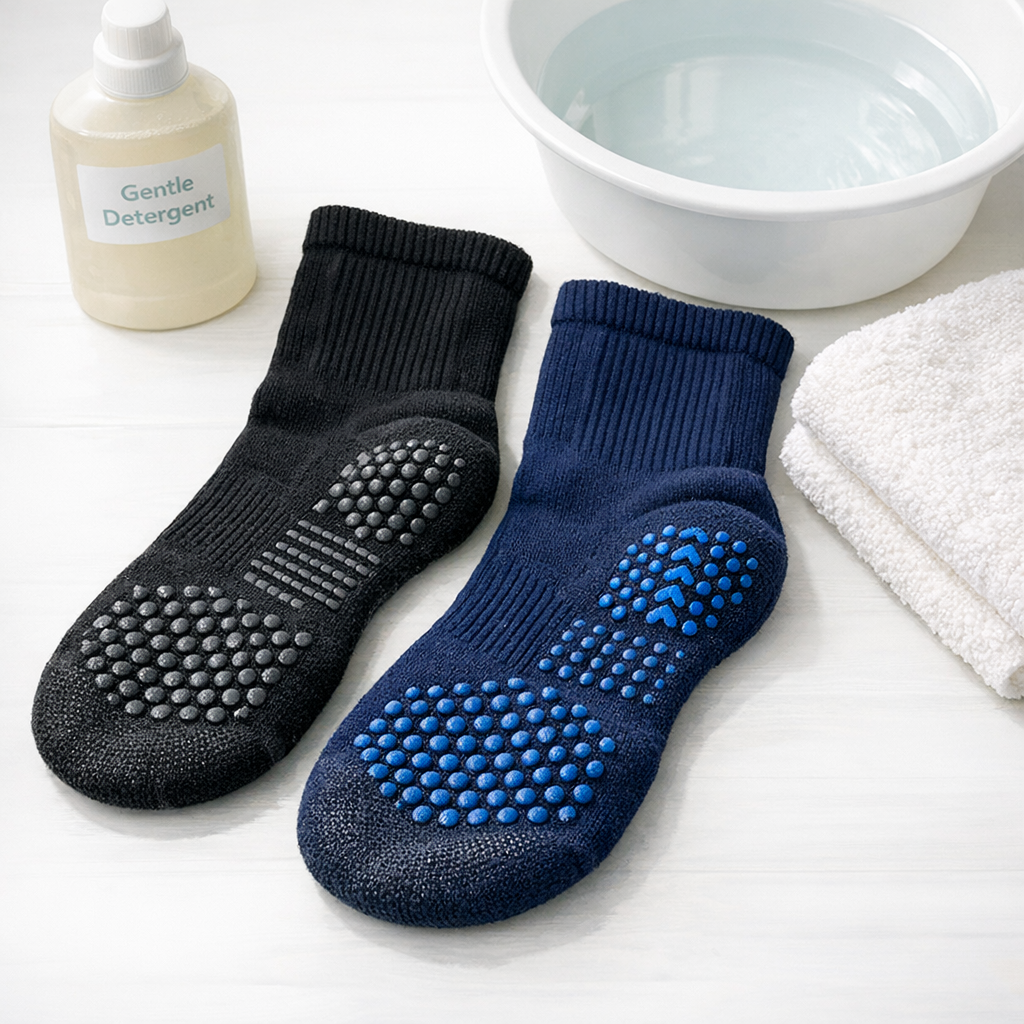
Use a mild detergent that rinses clean. Avoid products that are designed to coat fabrics, since performance textiles depend on airflow and moisture movement. The cleaner the rinse, the more consistently the grips will feel tacky.
- Do: use a mild detergent and measure it accurately (too much can leave residue).
- Avoid: bleach, fabric softeners, and heavy conditioners that may leave a slick film on grip dots.
- Avoid: overly fragranced boosters if you notice lingering “perfume over sweat” smell after drying.
If your socks are part of a broader performance kit routine, you may also find it helpful to separate heavily soiled items (muddy training gear) from lighter loads. Heavy soil often requires more agitation, which can be rough on grip zones.
Step 3: Protect the grip zones from abrasion
Friction inside the washer can be just as damaging as heat. Grip dots can rub against zippers, studs, or rough fabrics, gradually reducing their texture and tackiness. This is why “gentle” is not only about water temperature, but also about mechanical wear.
Inside out vs right-side out
Inside out is usually best because it cleans the interior where sweat and bacteria accumulate. However, if you notice grip dots attracting lint, occasionally washing them right-side out can help. Either way, the goal is to clean thoroughly while minimizing rubbing against hard surfaces.
The simplest protective tool: a mesh laundry bag
A mesh laundry bag reduces abrasion and helps socks keep their shape. It also prevents small items from getting wrapped into heavier garments. For teams, assigning laundry bags by player number can streamline sorting and reduce missing items.
Key takeaway: Clean grips work better than “scrubbed” grips. Let water, mild detergent, and a gentle cycle do the job without aggressive friction.
Step 4: Drying is the main place performance drops
Most grip socks lose their edge during drying, not washing. High heat can warp grip elements and reduce tackiness. It can also weaken elastic fibers, shortening the lifespan of the sock and changing how it fits inside footwear.
Best drying method: air-dry away from direct heat
Air-dry by laying flat or hanging in a well-ventilated space. Keep them away from radiators, direct sunlight through a hot window, or other concentrated heat sources. A slower, cooler dry protects both grip texture and compression.
If you must use a dryer
Use low heat and remove promptly. Over-drying is a common mistake, especially when socks sit in a hot drum after the cycle ends. Low heat is still not ideal, but it is far better than high heat for maintaining grip longevity.
Odor control without damaging grip or fabric
Odor is usually a process problem, not a detergent problem. The biggest wins come from not trapping damp socks in a sealed bag and from washing soon after use. Breathable drying also matters because any remaining moisture encourages bacteria to rebound.
Occasional soaks for stubborn smells
If smells persist, an occasional vinegar or baking soda soak can help. Keep these treatments infrequent and rinse thoroughly afterward to avoid residue that could affect grip feel. If you try one method and notice grips feeling slick, reduce frequency and focus more on airing out and prompt washing.
- Fill a basin with cool water.
- Add a small amount of vinegar or baking soda (not both together).
- Soak briefly, then wash normally and rinse well.
Storage and rotation: the easy way to extend lifespan
Store grip socks clean and completely dry. Storing damp gear can lock in odor and encourage material breakdown. For individual athletes, a simple rotation system helps each pair recover its shape and reduces constant wear on one favorite set.
For teams, set a consistent kit-care routine: separate grip socks from heavy items, standardize detergents, and avoid high-heat drying by default. This improves traction consistency across the squad and can extend replacement cycles in a measurable way.
A quick checklist for athletes and kit managers
- Wash soon after use, and do not leave sweaty socks sealed for hours.
- Shake out debris, turn inside out, and protect items from Velcro and zippers.
- Use cold or lukewarm water on a gentle cycle with mild detergent.
- Avoid bleach, fabric softeners, and heavy conditioners.
- Use a mesh laundry bag to reduce abrasion.
- Air-dry whenever possible, away from direct heat.
Conclusion: consistent care equals consistent traction
Grip socks are performance equipment, not just apparel. When you protect grip tackiness and preserve fabric compression, you get a more stable feel inside the boot, fewer fit surprises, and more reliable sessions week to week. The best results come from simple routines done consistently: prompt washing, gentle settings, and cool drying.
If you want to compare notes with other athletes or share your best laundry routines, leave a comment and pass this along to a teammate or kit manager. For more training and gear insights, explore how to wash grip socks? and keep building a kit routine that matches your performance goals.
Grip that’s scientifically proven.
Join 23,197+ athletes. Free worldwide shipping, up to 44% off the latest drop.
Shop grip socks →