How to Clean Grip Socks for Longer Performance
How to Wash and Care for Grip Socks for Reliable Traction
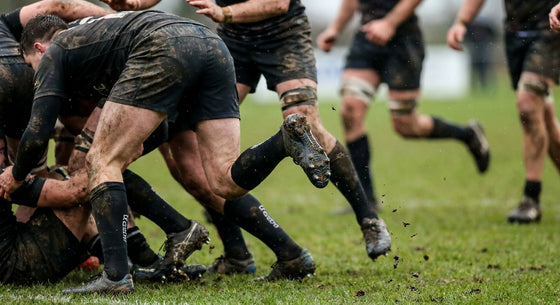
Grip socks are designed to improve traction, stability, and foot-to-shoe connection during quick cuts, pivots, and explosive accelerations. But even the best grip pattern can lose effectiveness if sweat, oils, and debris build up or if heat damages the technical fibers. The good news is that a simple care routine can help maintain consistent on-field and on-court performance.
This guide explains what to do after training, how to wash without reducing “stick,” and how to dry and store socks so they last longer. It is geared toward athletes and sports teams that rely on repeatable performance every session. The focus is sports science and practical care, not hype.
Why grip sock care matters for performance
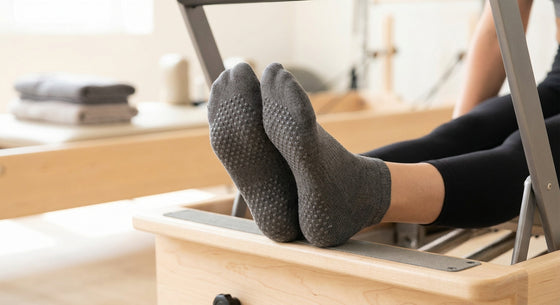
Traction is not just about the outsole of your shoe. Grip socks help reduce internal foot slip, which can support faster direction changes and better stability when planting and pushing off. When grip elements get clogged or damaged, athletes may feel subtle sliding inside the boot or shoe, especially during high-torque movements.
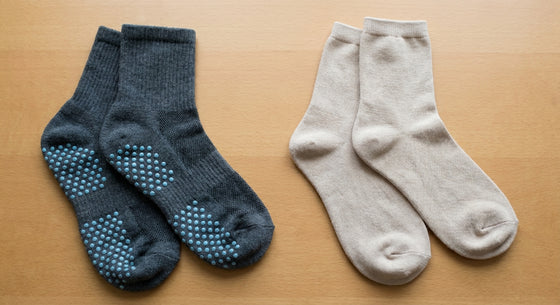
From a materials perspective, grip socks combine elastic fibers, high-stretch knits, and grip pads that are sensitive to heat, harsh chemicals, and abrasion. Poor washing habits can lead to stiffened grip, cracked patterns, and stretched cuffs that no longer lock the sock in place. Consistent care protects a consistent feel.
how to clean grip socks?
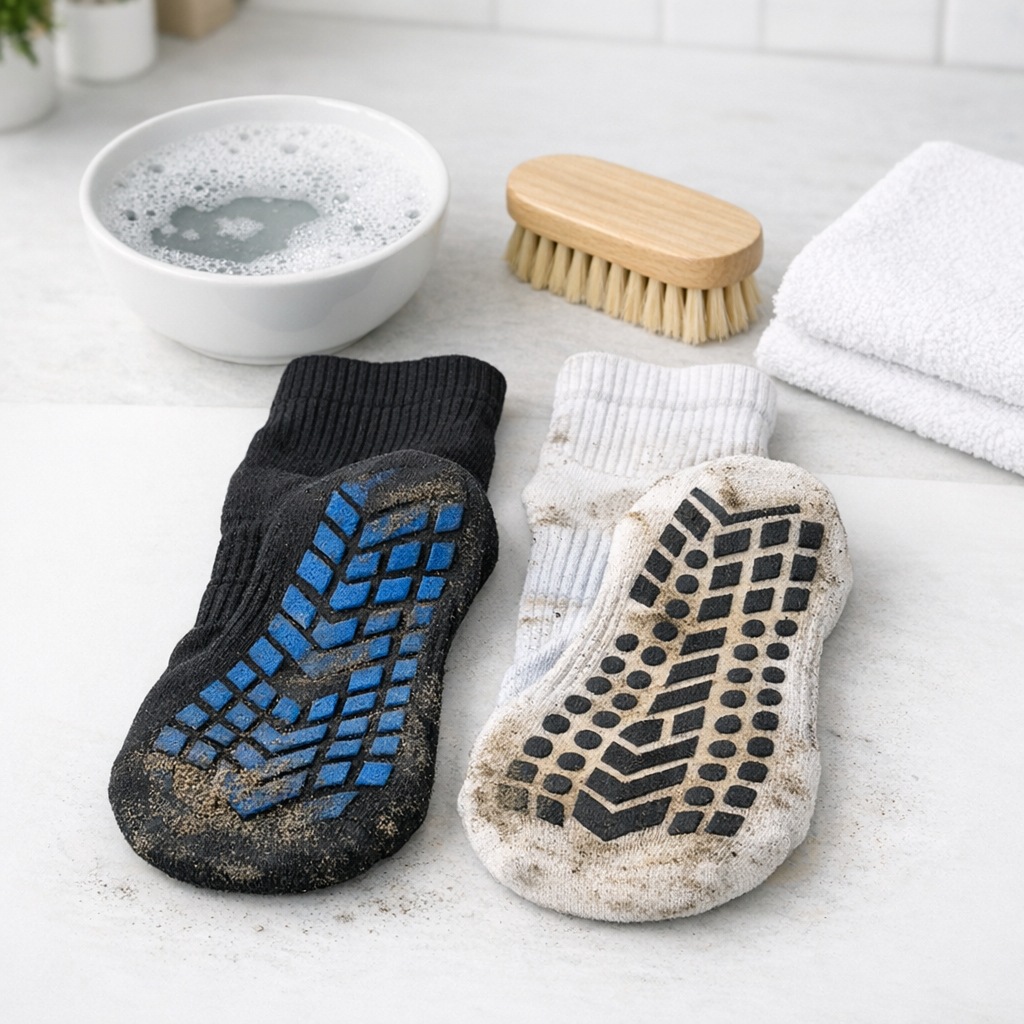
If you have ever asked, how to clean grip socks? the core principle is simple: remove sweat and debris while avoiding anything that damages elasticity or leaves residue on the grip. Start by washing soon after training or competition. Sweat and skin oils can clog grip pads over time, and lingering moisture can increase odor and speed up fabric breakdown.
Before socks go into the hamper, give them a quick shake to drop out loose turf pellets, rubber crumb, or lint. If you notice lots of debris embedded in the grip pattern, a short cool pre-rinse can help prevent particles from being ground into the pads during the wash cycle. This is a small step that often makes a big difference in traction longevity.
Pre-wash habits that protect grip and fit
Turn them inside out (yes, it helps)
Turn grip socks inside out before washing. The inside holds most of the sweat, bacteria, and skin oils that cause odor and fiber fatigue. Washing inside out improves cleaning where it matters most while still allowing water to rinse the grip surface effectively.
Separate from abrasive items
Avoid washing grip socks with heavy or rough items like towels, jeans, or hoodies with thick hardware. Excess friction can cause pilling, snagging, or premature thinning at the heel and forefoot. For teams, using a dedicated mesh laundry bag can reduce abrasion and keep pairs together.
The best wash settings for grip socks
Grip socks typically do best on a gentle cycle with cold or lukewarm water. Hot water can weaken elastic fibers and contribute to shrinkage, which changes compression and fit. The goal is to clean thoroughly without stressing the yarns or grip treatment.
- Choose cold to lukewarm water (think cool, not warm-hot) to protect stretch and grip integrity.
- Select a gentle cycle to reduce mechanical wear on knit structures and grip pads.
- Use mild detergent to avoid stripping technical fibers or leaving film on the grip.
- Avoid bleach, which can degrade elastics and weaken the fabric over time.
- Skip fabric softener, which can coat fibers and reduce traction by leaving residue.
If you want more background on why fabric softener reduces performance fabrics, this guide to fabric softener drawbacks provides a helpful overview that applies well to technical athletic knits. The key takeaway for athletes is that “softer” often means “coated,” and coatings can interfere with grip.
Drying grip socks without ruining the grip
Air drying is the safest option for preserving both elasticity and grip texture. High heat from tumble dryers can shrink fibers, weaken compression, and cause grip elements to harden or crack over time. Even if a single hot cycle does not show damage, repeated heat exposure can gradually reduce performance.
- Dry socks flat or hang them in a well-ventilated area.
- Keep them away from direct heat sources like radiators or space heaters.
- Avoid ironing, which can melt or deform grip elements and technical yarns.
- Avoid dry cleaning, which can expose materials to aggressive solvents.
Performance rule of thumb: If heat would be risky for your shoe’s glues or your kit’s stretch panels, it is risky for grip socks too. Air dry to protect traction and fit.
Dealing with stubborn odor without harsh chemicals
Odor is usually a bacteria and residue problem, not a reason to escalate to harsh products. “Heavy-duty” chemical solutions can over-strip materials, leading to faster wear and less consistent stretch. Instead, aim for gentle removal of bacteria and buildup.
Try a short soak in cool water with a small amount of mild detergent, then rinse thoroughly. If you use an odor remover, choose one labeled sport-safe and compatible with technical fabrics, and avoid anything that behaves like a fabric softener. A thorough rinse matters because leftover product residue can reduce grip and irritate skin.
Storage habits that keep grip socks match-ready
How you store grip socks has a real impact on lifespan, especially for teams that pack kit bags daily. Always make sure socks are fully dry before they go into a locker or bag, since trapped moisture can lead to mildew and persistent odor. Moisture also accelerates fiber breakdown over time.
Keep grip socks away from Velcro, sharp zippers, and rough surfaces that can catch the knit and peel grip patterns. If you are traveling, consider storing them in a smooth fabric pouch so the grip does not snag on other gear. Small details like this can prevent “mystery” damage that shows up mid-season.
Rotate pairs to maintain consistent feel
Rotating multiple pairs across training sessions reduces stress on any single set of socks. This helps maintain stable compression, cuff tension, and grip texture across weeks of use. For athletes, rotation can also reduce variability, which matters when you want your foot lockdown to feel the same every session.
When to replace grip socks (performance red flags)
Even with ideal care, grip socks are a high-wear item. Knowing the replacement signs prevents you from training through unnecessary slip or discomfort. As soon as you notice performance changes, inspect both the grip and the fabric structure.
- Grip pads feel smooth instead of tacky or textured.
- Cracking or peeling on the grip pattern.
- Slipping inside the shoe despite correct sizing and lacing.
- Thinning at the heel or forefoot, which can change feel and increase blister risk.
- Stretched cuffs that no longer stay in place during repeated sprints and cuts.
For teams managing inventory, it helps to set a simple check routine: evaluate grip texture and cuff tension every few weeks, especially during high-volume periods. Consistency in foot lockdown supports consistency in movement mechanics. Many athletes also keep “match-ready” pairs separate from training pairs to minimize variability.
Conclusion: keep traction consistent with a simple routine
Grip socks can contribute to confidence in fast movements, but only if the grip elements and technical yarns stay in good condition. Wash soon after use, turn them inside out, use mild detergent on a gentle cold cycle, and air dry away from heat. Store them fully dry, protect them from abrasive contact, and rotate pairs to reduce wear.
If you want more educational content on performance gear habits and what athletes can do to maintain consistent traction, fit, and feel across a season, explore resources from how to clean grip socks? and share your own laundry do’s and don’ts in the comments.
Grip that’s scientifically proven.
Join 23,197+ athletes. Free worldwide shipping, up to 44% off the latest drop.
Shop grip socks →