Where to Buy Grip Socks for Pilates: Best Picks
Pilates Grip Socks for Athletic Performance: What to Look For and How to Choose
Pilates looks controlled on the outside, but athletes know it is a precision sport in disguise. Foot placement, balance, and smooth transitions can expose tiny stability gaps that do not always show up in heavier strength training. One small piece of gear can help: high-quality Pilates grip socks.
This guide explains how grip socks influence traction and motor control, what separates a high-performance pair from a basic one, and how athletes, coaches, and team managers can source reliable options without guessing. The goal is not fashion, it is repeatable movement quality.
Why grip socks matter in Pilates for athletes
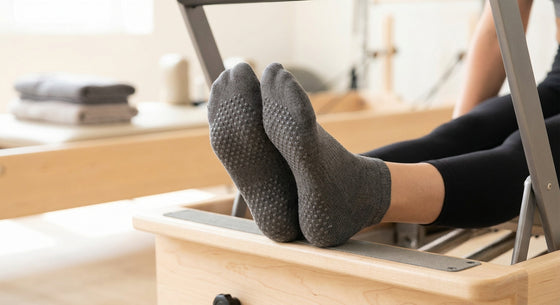
In Pilates, the feet are often your anchor point, whether you are standing on a mat, pressing into a reformer footbar, or stabilizing during single-leg patterns. Traction helps you apply force without micro-slips that can alter alignment. Those tiny shifts can change knee tracking, hip rotation, and trunk control.
Grip socks can also reduce “bracing behaviors,” where you unintentionally tense up to avoid slipping. When traction is consistent, athletes can focus on breathing, tempo, and joint sequencing instead of self-protecting. Over time, that can support cleaner reps and better transfer to sport.
Key takeaway: Better traction is not just about avoiding slips. It can improve consistency of foot pressure, which supports balance, precision, and efficient movement under fatigue.
What makes a great Pilates grip sock
Grip pattern and coverage
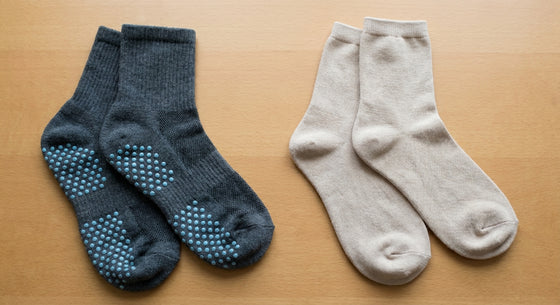
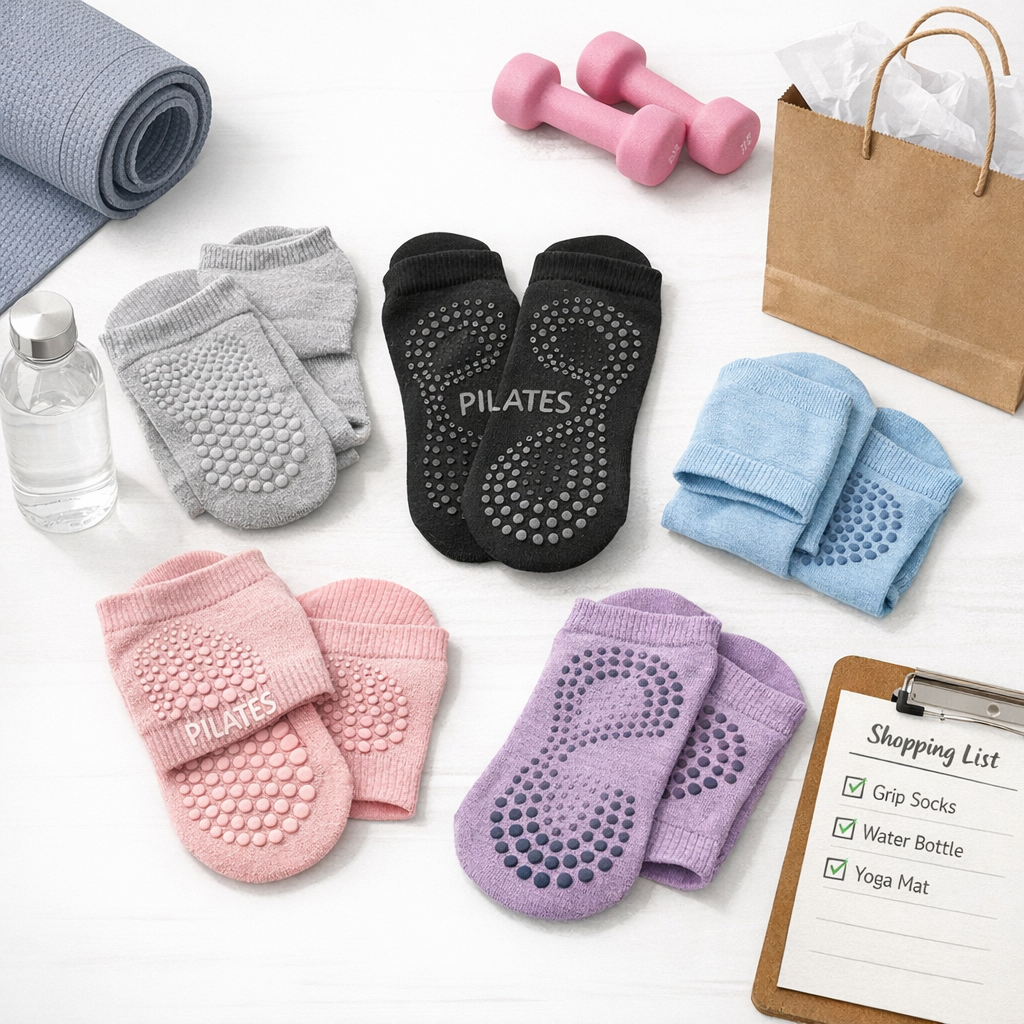
Not all grip layouts match Pilates demands. Look for silicone or rubberized grips that cover high-contact zones: forefoot and heel, plus useful midfoot areas depending on the movement. For reformer work, broader coverage can help during dynamic foot placement, ankle articulation, and quick transitions.
Also consider the “direction” of traction. A well-designed pattern supports multi-directional control, which matters when you are shifting between dorsiflexion, plantarflexion, and lateral load changes on the carriage or mat.
- Forefoot grip: Helps control during toe-loaded balance, lunges, and plank variations.
- Heel grip: Supports stability in bridging, footbar presses, and standing work.
- Midfoot support zones: Useful for transitions and sustained holds where the arch contacts the surface.
Fit and compression (the anti-bunching test)
A sock that twists or bunches under the arch can be more distracting than going barefoot. Prioritize an anatomical fit with a snug heel pocket, plus an arch band that keeps the sock locked in place. This matters for athletes who move quickly between positions and rely on consistent setup cues.
Light compression can improve proprioceptive feedback, which may help some athletes feel foot position more clearly. It should not be so tight that it limits toe splay or causes numbness. If you feel pressure points after class, sizing or knit structure may be off.
Material and breathability
Grip depends on surface contact, and moisture can reduce that contact quickly. Performance blends that wick sweat can help maintain traction and comfort, especially in warm studios or high-frequency training blocks. Breathable panels are a plus for athletes who train multiple days per week.
You do not need the thickest sock. In Pilates, a medium-thin, stable knit often performs well because it preserves ground feel while still supporting the grip print. If you cross-train indoors, slightly more robust fabric can be a better balance.
- Moisture management: Helps preserve traction during long sessions.
- Ventilation zones: Can reduce overheating and blister risk.
- Structure: A stable knit improves control during pivots and transitions.
Hygiene and durability
Grip socks are close-contact gear, so odor control and wash durability matter. Reinforced toes and heels tend to last longer for athletes who train often or use reformers regularly. The grip print should remain bonded after repeated washing, not peel or crack.
Read care instructions closely. High heat can degrade silicone prints and elastic over time. For general fabric care guidance, the FTC care labeling resource explains why accurate care labels matter and what they typically communicate to consumers.
Style considerations for training context
Cut height affects feel and function. Low-cut styles can feel minimal for mat sessions, while crew options often feel more secure and are common for studio-to-training versatility. Knee-high styles can be useful when athletes want more coverage during warm-ups or prefer extra lower-leg contact, though compression level varies by design.
For teams, standardizing the cut can reduce sizing issues and simplify ordering. Consistency also helps athletes build routine: same feel, same setup, same movement quality.
where to buy grip socks for pilates?
Buying channels vary in quality control, sizing consistency, and customization. The best option depends on whether you are purchasing a single pair for personal training or outfitting a full squad with uniform standards.
-
Specialty fitness and Pilates studios
Studios often curate socks specifically for Pilates surfaces and footbar work, and you can check sizing and grip feel immediately. The tradeoff is limited colorways and sizes, higher pricing, and minimal customization. This route is useful when you need something reliable quickly.
-
Sporting goods retailers
You can compare materials and construction across multiple training categories in one place. However, some “grip socks” are designed for other sports with different grip placement, so check the sole layout carefully. Look for coverage that matches Pilates foot loading patterns, not just a generic dotted print.
-
Online marketplaces
These platforms offer broad selection and fast shipping, plus reviews that can highlight real-world performance. Quality varies widely and photos can be misleading, so read product details closely and verify return policies. Consistent sizing is not guaranteed, which matters if you are ordering for a team.
-
Direct-to-consumer performance sock brands
These brands often provide clearer details on fabric blends, grip testing, and construction, which helps athletes who care about repeatable feel. The downside is you might not try them on first, and returns require planning for bulk orders. This option can work well for athletes who want consistency across multiple pairs.
-
Custom and team-order suppliers
For coaches and managers, this is often the most practical path: consistent inventory, bulk pricing, and customization for colors and logos. You will need to manage minimum order quantities, lead times, and sampling to confirm grip density and fabric feel. Some suppliers, including Nextwave Socks, offer this model, which can simplify program-wide standards without constant reordering surprises.
How athletes and teams should choose (without overthinking it)
For individual athletes
Start with fit and grip coverage, then verify wash durability. If you train multiple times per week, rotate two to three pairs so grip prints and elastic recover between sessions. Replace socks when the grip feels glossy, flattened, or inconsistent under load.
For teams and programs
Standardize one model first, then customize color and branding. Request a sizing chart, confirm how the grip is applied, and ask for a pre-production sample to validate traction and comfort under real sessions. Clear care guidelines reduce early wear and keep the squad consistent through the season.
For studio-to-cross-training use
If athletes will use grip socks for rehab, indoor warm-ups, or light strength sessions, choose a more robust knit with reinforced zones. Keep the grip pattern Pilates-appropriate so you do not lose mat traction. Think of it as one sock that can handle multi-environment foot demands without changing how the athlete moves.
Final checklist before you purchase
- Grip placement: Confirm silicone zones align with forefoot and heel loading patterns used in Pilates.
- Anti-slip fit: Look for a secure heel pocket and an arch support band to prevent twisting.
- Fabric and breathability: Prioritize moisture-wicking materials and ventilation if training frequency is high.
- Care plan: Follow wash instructions to protect grip longevity, especially avoiding high heat when advised.
- For bulk orders: Confirm MOQ, lead time, sampling process, and size distribution before committing.
Conclusion: stability you can feel, form you can repeat
Grip socks are a small upgrade that can create a meaningful difference in Pilates performance. Better traction supports cleaner transitions, steadier balance, and more consistent foot pressure, especially when athletes are tired or moving fast. For teams, standardizing grip socks can reduce distractions and help everyone train with the same expectations.
If you have questions about selecting the right grip layout or planning sizes for a team order, share what sport you train for and how often you use Pilates. Explore more resources and options here: where to buy grip socks for pilates?
Grip that’s scientifically proven.
Join 23,197+ athletes. Free worldwide shipping, up to 44% off the latest drop.
Shop grip socks →