Where to Buy Grip Socks for Football: Complete Guide
Grip Socks for Soccer: How to Choose the Right Pair for Stability and Performance
Grip socks have become a common performance tool in soccer because they address a simple problem with big consequences: foot slippage inside the boot. When your foot slides, you lose efficiency in cuts, accelerations, and decelerations, and you may increase friction that leads to blisters. The right grip sock can help you feel more locked-in, especially during high-intensity sessions or wet-weather matches.
This guide breaks down what actually matters when choosing grip socks for soccer: key performance features, how to match socks to your playing demands, where to buy with confidence, and how to care for them so the grip lasts. The goal is not hype, it is practical sports science and athlete-focused decision-making.
Why Grip Socks Can Improve On-Field Movement
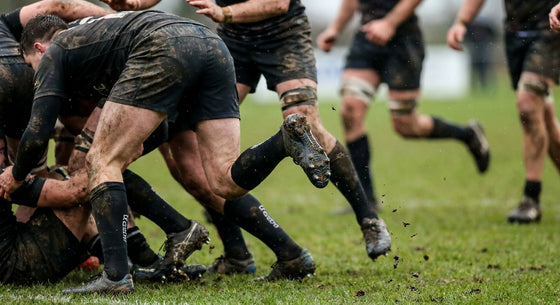
In soccer, performance often comes down to how well you transfer force into the ground during rapid changes of direction. If your foot shifts inside the boot, some of that force gets “lost” to internal movement rather than propulsion or stability. Grip socks are designed to increase traction between your foot and the insole, which can improve perceived stability during sharp cuts and sudden stops.
Grip socks can also help when sweat and moisture build up over a match. Moisture reduces friction, which increases sliding and creates hot spots. By boosting traction and supporting a secure fit, grip socks can help reduce the repetitive rubbing that commonly causes blisters.
Key takeaway: Grip socks aim to reduce in-boot movement so you can plant, pivot, and accelerate more consistently, especially under fatigue or in wet conditions.
What to Look For in High-Performance Soccer Grip Socks
1) Grip pad placement and material
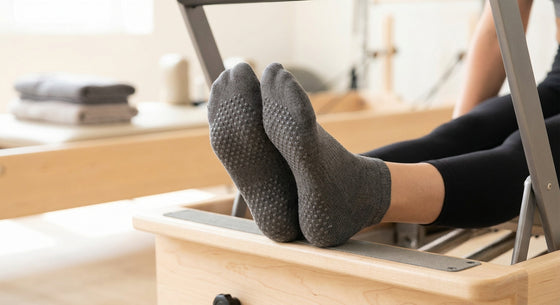
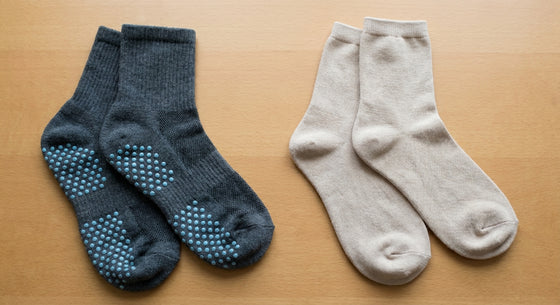
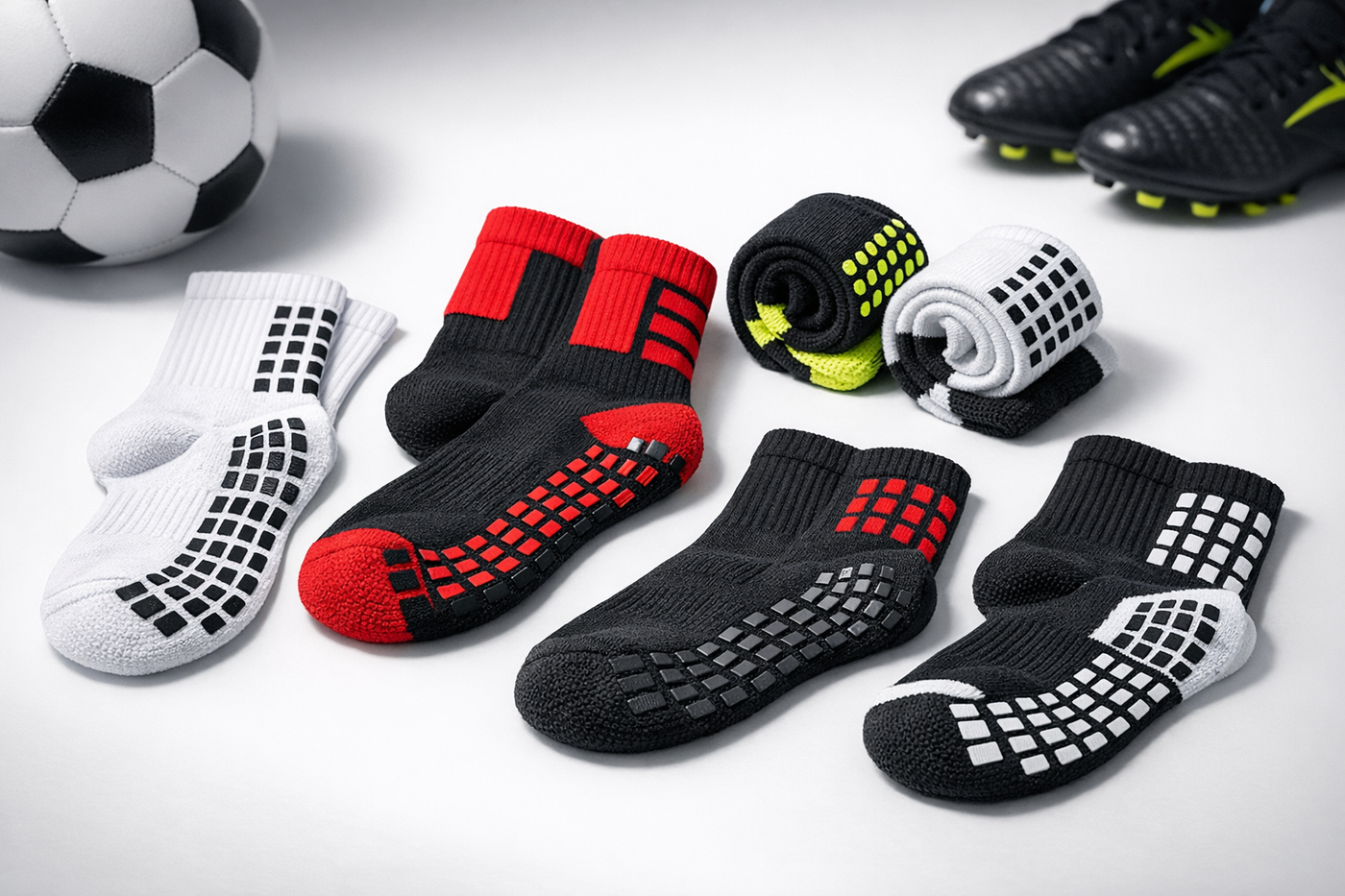
The most effective grip socks use silicone or rubberized pads on the sole to create traction against the boot’s insole. Look for pads placed in high-load zones: forefoot, midfoot, and heel. Some designs add grip around the heel to help reduce rearfoot slip during deceleration and re-acceleration.
Also consider durability: pads that are too shallow or overly smooth can wear down quickly, reducing performance after a few washes. If you train multiple times per week, grip longevity matters as much as initial “stickiness.”
2) Fit that stays stable during cuts
Grip only works if the sock itself does not move. A secure fit typically includes compression through the arch, a shaped heel pocket, and a cuff that stays up without restricting circulation. If the sock bunches under the arch or slides at the heel, you may still get friction and instability.
When trying a pair on, do a quick movement check: stand on one leg, rotate the foot slightly inside the boot, then perform a few hard plants and pivots. The sock should feel “tensioned” and stable rather than loose and wrinkled.
3) Moisture management and breathability
Materials matter over 90 minutes. Moisture-wicking yarns and breathable mesh zones help manage heat buildup and sweat, which supports both comfort and grip consistency. Reinforced toe and heel areas add durability where friction and pressure are highest.
If you play in hot conditions or tend to sweat heavily, prioritize ventilation and wicking over thick cushioning. A cooler, drier foot is less likely to slide and less likely to blister.
4) Cushioning: useful, but not always better
Targeted cushioning can help reduce hot spots, particularly for players prone to friction on the forefoot or heel. However, overly thick socks can change boot fit and reduce “touch” if you prefer a close, responsive feel. Think of cushioning as a tool: helpful when you need it, unnecessary when it alters your boot lockdown.
where to buy grip socks for soccer?
Buying the right grip sock is partly about the product and partly about the buying channel. Different sources offer different advantages related to sizing, quality control, returns, and team ordering. If you are evaluating options for a squad, consider consistency and future availability as much as price.
- Brand websites: Often the best for full size runs, detailed specs, updated product features, and straightforward warranty or returns. Some performance-focused companies, including Nextwave Socks, also support team ordering and color options without turning the purchase into a complicated process.
- Online marketplaces: Convenient and fast, but quality can vary widely across listings. Check reviews for grip pad durability, sizing accuracy, and whether the grip changes after washing. Confirm return policies before committing.
- Specialty soccer retailers: Strong option if you want curated, sport-specific choices and advice on fit. This can be especially helpful if you are pairing grip socks with new boots, new insoles, or a change in stud pattern or playing surface.
- Teamwear suppliers and bulk ordering: Useful for teams, clubs, and academies that need consistent sizing and repeat availability. This route can also support uniform requirements and customization such as colors, logos, or player numbering.
If you want more consumer guidance on evaluating online sellers and return policies, the Federal Trade Commission consumer advice resource is a helpful reference for safe online purchasing habits.
Match the Sock to Your Position, Training Volume, and Conditions
Not every athlete needs the same grip sock profile. Your position, movement style, and weekly training load should shape your priorities. The best choice is the one that stays consistent across your real usage: matches, training, travel, and laundry cycles.
Explosive movers: prioritize maximum traction and lockdown
Wingers, fullbacks, and pressing midfielders often rely on sharp cuts and repeated accelerations. For these players, underfoot grip and stable arch compression can be the top features. A snug, supportive fit may help reduce micro-slips that can waste energy during repeated high-intensity actions.
Goalkeepers: look for durability plus controlled cushioning
Goalkeepers perform frequent lateral shuffles, quick resets, and hard plants from varied stances. That can increase friction at the heel and forefoot. Many keepers benefit from reinforced zones and a bit more cushioning, but still need a secure fit so the sock does not move during explosive pushes.
Wet grass, heavy sweat, and high training loads: durability matters
Wet conditions and high sweat levels reduce friction, making slippage more likely. In these environments, moisture management and grip pad durability are not optional. If the grip wears down quickly, you lose the main benefit right when it matters most: late-session fatigue, wet uppers, and tired foot mechanics.
How to Wear Grip Socks With Team Kits
Some athletes wear grip socks as their primary sock, while others layer them under a team sock for uniform requirements. If you plan to layer, check cuff height and profile so the system stays comfortable and does not restrict the ankle. Many players use socks plus sleeves or over-socks to maintain a consistent look while keeping the grip interface closest to the foot.
Pay attention to boot volume, too. Adding a second layer can change fit, especially in speed boots with a tight last. If you notice pressure points after layering, reconsider thickness or sizing to avoid compressing the forefoot.
Fit and Care Tips to Make Grip Last Longer
To preserve traction and minimize irritation, fit and care should be treated as part of performance. A sock that is slightly too big can wrinkle and cause hot spots, while one that is too small can restrict circulation and create discomfort under pressure. Ideally, the sock stays tensioned through the arch and heel with no sliding during pivots.
- Choose the correct size: Your heel should sit fully in the heel pocket, and the arch band should feel supportive without pinching.
- Wash inside out: This helps protect grip elements from abrasion and improves cleaning where sweat accumulates.
- Avoid high heat drying: High heat can degrade elastic fibers and reduce the lifespan of grip pads.
- Skip fabric softener: Softeners can leave residues that affect moisture handling and may reduce traction.
- Replace when grip becomes inconsistent: If you feel new sliding during cuts, the performance benefit may be fading.
Conclusion: Turn “Locked-In” Into a Repeatable Advantage
Grip socks are not magic, but they can be a practical way to reduce in-boot slippage and improve consistency in fast, high-load soccer movements. The best pairs combine durable grip placement, stable fit, breathable materials, and the right amount of cushioning for your needs. When you match the sock to your position, conditions, and weekly training volume, you give yourself a better chance to feel confident in every plant, pivot, and sprint.
If you have questions about fit, layering with team uniforms, or what features matter most for your playing style, share your setup and training environment in the comments and compare notes with other athletes.
Grip that’s scientifically proven.
Join 23,197+ athletes. Free worldwide shipping, up to 44% off the latest drop.
Shop grip socks →