
Are Grip Socks Worth It? Reddit & Performance Data
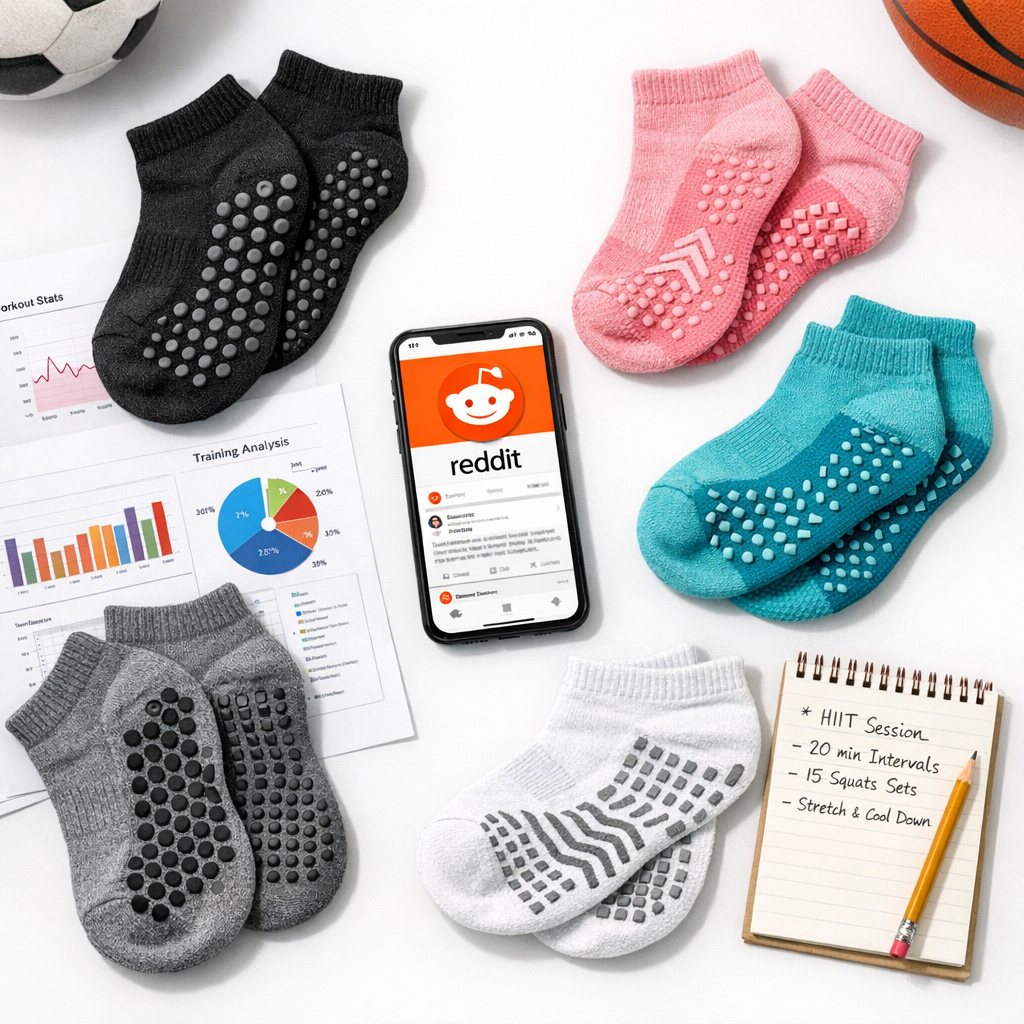
Grip Socks for Athletes: Do They Really Improve Performance?
Grip socks have become a surprisingly debated piece of performance gear across sports communities, especially for soccer, basketball, volleyball, CrossFit, and field and court athletes. The pitch is simple: more traction inside your shoe, less slipping, and a more “locked-in” feel when you cut, stop, and accelerate. But athletes want the real answer, not hype.
This article breaks down what athletes commonly report online, how that lines up with sports science principles, and how teams and individuals can decide whether grip socks belong in their kit. The goal is practical education: what grip socks can do, what they cannot do, and how to test them the right way.
Why grip socks became a performance trend
In most sports, the shoe is only part of the traction story. The real interface is a chain: foot to sock, sock to insole, and insole to shoe. If one link allows movement, you can lose stability and waste time re-centering your foot before your next push-off.
Grip socks aim to reduce in-shoe slippage during high-force movements like deceleration, cutting, and landing. That matters most when small inefficiencies compound across a long session or a full season of competition.
It is also why the discussion shows up so often among athletes who do repeat change-of-direction work, hard intervals, and high-frequency training blocks. The more you expose your feet to friction and micro-sliding, the more noticeable the “feel” difference can become.
are grip socks worth it reddit
Across Reddit threads, the dominant theme from supporters is confidence. Many athletes describe grip socks as making their feet feel “anchored” during quick cuts, pivots, and first-step acceleration, especially when they are tired and foot stability starts to degrade. That perception alone can change how aggressively an athlete moves.
Another repeated observation is deceleration control. Users often mention less forward slide inside the shoe when they brake hard, which can make landing and stopping feel cleaner. For sports like basketball and soccer where slowing down is as important as speeding up, that is a meaningful point.
A third theme is comfort over volume. Athletes who train frequently report fewer friction hot spots compared to standard socks, especially in longer sessions where small rubbing becomes a blister threat. It is not universal, but it is a consistent pattern in athlete feedback.
Key takeaway: The most common “win” athletes describe is not raw speed, but a more stable and predictable feel during cuts, stops, and repeated high-intensity efforts.
What sports science suggests about in-shoe traction
The sports science logic is straightforward: if your foot slides inside the shoe, some force is spent on internal movement rather than directing the body where you want it to go. Reducing that internal slip can improve perceived stability and can support cleaner change-of-direction mechanics. The benefit is usually subtle, but subtle advantages matter most in competitive settings.
Grip does not automatically equal better performance, though. Too much “stick” can alter how the foot naturally loads and rotates, which may feel awkward for some athletes. Like many performance tools, the best outcome is often “enough grip,” not maximum grip.
If you want to explore broader research themes around traction and training surfaces, a helpful starting point is the Journal of Strength and Conditioning Research, which regularly covers applied performance topics. You can also review position statements and practical resources from the National Strength and Conditioning Association for training context related to change-of-direction demands.
When grip socks help most (and when they do not)
They are most useful when movement is fast and multi-directional
If your sport includes repeated cutting, lateral shuffles, pivots, and hard braking, grip socks are more likely to feel beneficial. Soccer, basketball, volleyball, and many hybrid training styles fit this profile. The more “start-stop” your movement pattern, the more internal slippage becomes noticeable.
They can also help when you rotate footwear. Some athletes report that grip socks make different shoe models feel more consistent underfoot, which can be useful during long seasons or heavy training weeks.
They matter less when fit and movement demands are already simple
If your shoes fit perfectly and your sport involves mostly straight-line running, you may notice little difference. In those cases, comfort, moisture management, and sock thickness might matter more than grip. Grip socks cannot rescue a shoe that is the wrong size, has a worn-out insole, or allows heel lift.
In short, grip socks are not a replacement for proper footwear selection and fit. They are an interface upgrade, not a structural fix.
The three most common complaints athletes report
Even among athletes who like the concept, mixed reviews cluster around a few consistent issues. These are worth considering before outfitting a full team or committing to a long season of use.
- Negligible effect with ideal shoe fit: Some athletes feel no meaningful difference when their shoes already lock the foot in place.
- Discomfort from aggressive grip patterns: Poor placement or overly tacky elements can create pressure points or an unnatural “stuck” sensation.
- Durability and wash performance: Grip elements can peel, harden, or lose tackiness depending on build quality and care habits.
Teams should pay attention here because durability and consistency matter more at scale. If half the roster loves them and half cannot tolerate the feel, standardization becomes harder than it needs to be.
Grip socks, blisters, and injury risk: what to watch
Blister prevention is one of the most practical reasons athletes try grip socks. If slipping is causing rubbing, reducing that motion may reduce hot spots and skin breakdown. For high-volume training blocks, that comfort benefit can be more valuable than any performance edge.
However, blister risk can also shift rather than disappear. If the grip anchors the sock while the foot still moves inside it, friction may transfer to different areas, especially around the forefoot, toes, or heel edge. Materials, seam placement, and moisture control become critical.
In general, the best outcomes come from a sock that grips the insole effectively while still managing sweat and minimizing internal seams. If your feet run hot or you train in humid conditions, moisture control should be treated as a performance variable, not just a comfort detail.
A simple testing protocol for athletes and teams
If you are evaluating grip socks, test them like performance equipment, not like casual apparel. The goal is to identify whether they improve your stability, comfort, and confidence under the movements that matter in your sport.
- Start with fit first: Confirm your shoe size, lace technique, and insole condition before changing socks.
- Test on sport-specific drills: Use cutting, deceleration, and lateral movement at game speed, not just jogging.
- Track “feel” and foot health for 2 to 3 sessions: Note hot spots, toe pressure, and any new irritation.
- Compare across footwear: If you rotate shoes, check whether grip socks improve consistency between pairs.
- Standardize care: Wash and dry consistently so grip performance does not change unpredictably over time.
For teams, it can help to pilot with a small group across different positions and foot types. That reduces the risk of choosing a solution that only works for one movement profile.
What to look for in a high-performance grip sock
Not all grip socks feel the same, and small design decisions can change the experience. The best option depends on your sport, your shoe fit, and your tolerance for “stickiness” underfoot.
- Grip placement that matches your pressure zones: Forefoot and heel patterns are common, but placement should not create pressure ridges.
- Moisture management: Sweat changes friction, so breathable materials often matter as much as grip elements.
- Low-irritation construction: Minimal seams and a stable fit reduce blister risk during long sessions.
- Consistent build quality: Grip that breaks down quickly changes the feel and can create distraction mid-season.
If you are sourcing for a team, consider consistency and player preference as primary decision factors. Some programs also explore custom team options through providers such as Nextwave Socks, especially when standardizing kit and fit feedback across a roster.
Keep reading: our guide to grip socks vs normal socks, or see NXTWAVE performance grip socks.
Conclusion: a marginal gain that can matter in the right context
Grip socks are not magic, and they are rarely the biggest lever for performance compared to strength, conditioning, technique, and well-fitted footwear. But they can be a meaningful upgrade at the margins, especially for athletes who cut hard, stop fast, and rely on predictable footing inside the shoe. The strongest case is reducing in-shoe slippage, improving perceived stability, and managing friction during long or high-intensity training blocks.
If you are curious, treat grip socks like any performance intervention: test them under game-speed conditions, watch for comfort and blister outcomes, and make the decision based on your movement demands. If you have experimented with them, share what changed for you, what did not, and what sport you play.
Grip that’s scientifically proven.
Join 23,197+ athletes. Free worldwide shipping, up to 44% off the latest drop.

