What Grip Socks Does Ronaldo Wear? Football Grip Socks
Grip Socks, Marginal Gains, and In-Boot Stability: What Athletes Can Learn from Elite Detail
Elite athletes are known for obsessing over small details that most players never notice. Footwear fit is one of those details, because even tiny amounts of movement inside a boot can affect stability, touch, and confidence during high-speed actions.
That is why grip socks have become a common performance tool across football, rugby, basketball, lacrosse, and many court sports. They are not magic, but they can reduce internal foot slip and help athletes feel “connected” to the ground in the moments that decide games.
Why grip socks are part of modern high-performance sport
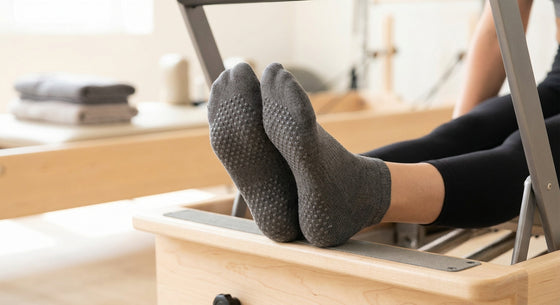
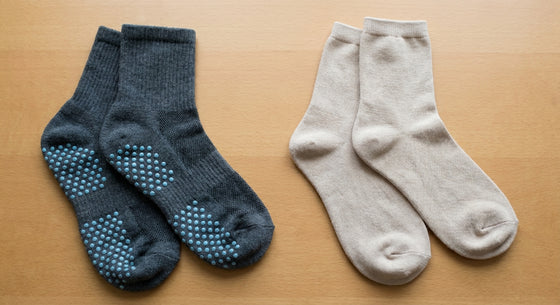
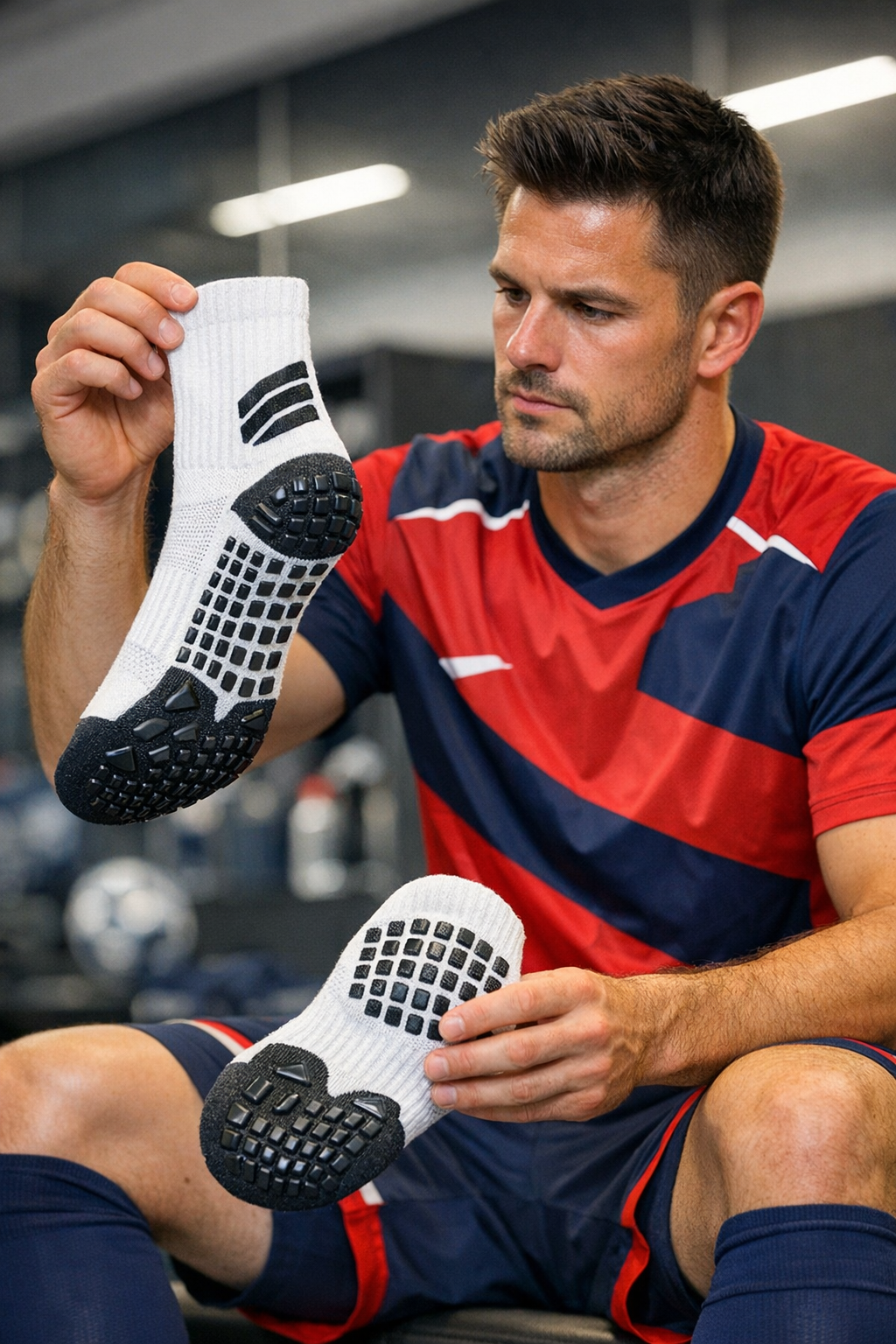
Grip socks work by adding traction zones under the foot, typically at the forefoot and heel. Those zones are designed to increase friction between the sock and the insole, which can reduce micro-slippage when you sprint, cut, stop, and re-accelerate.
In practice, the goal is simple: keep the foot from sliding inside the boot. A more stable foot can improve how efficiently force transfers into the ground, particularly when you are changing direction or planting hard under fatigue.
This focus on small performance edges fits into the broader sports science idea of marginal gains. If you can reduce distractions and improve consistency in movement mechanics, you may be able to repeat high-intensity actions with fewer “off” reps over the course of a match.
What grip socks does ronaldo wear?
Many fans ask, what grip socks does ronaldo wear? The honest answer is that the exact model can vary depending on club kit requirements, sponsorship obligations, and personal preference. What tends to stay consistent is the performance principle: minimizing in-boot movement to improve stability and control at speed.
It is also common at the professional level to use grip “skins” under team-issued socks. This approach helps athletes keep the uniform look while still getting the traction and fit they want.
Instead of chasing a single product, a better question for most teams and players is: what setup helps your foot feel secure when you cut, decelerate, and strike the ball late in a session when fatigue is high?
The sports science behind in-boot traction
1) Performance consistency under load
Fatigue changes movement. When you are tired, foot placement can become slightly less precise, ground contact can get “noisier,” and small slips inside the boot become more noticeable. Grip socks aim to reduce that internal movement so the foot stays more stable during repeated sprints and sharp transitions.
This matters in wet conditions, when insoles are slick, or when the boot fit is slightly roomy. Even minor slippage can make an athlete feel like they are “floating,” especially during hard plants and lateral cuts.
2) Comfort and blister prevention
Blisters often come from repeated friction in the same spot, such as the heel, arch, or forefoot. If the foot is sliding back and forth inside the boot, those hot spots can build quickly in training blocks or during tournament play.
By limiting movement, grip socks can reduce rubbing and help keep the sock from bunching. Many athletes also prefer a secure heel pocket and midfoot compression so the sock stays anchored rather than twisting over time.
3) Fit customization without changing footwear
High-level players often fine-tune their setup rather than switching boots every time something feels slightly off. Grip socks can act like a modular adjustment: stabilizing a boot that feels marginally loose, improving feel in lightweight speed boots, or compensating for a smooth insole surface.
From a team perspective, this can be useful because it offers a consistent solution across different player preferences and boot models without forcing everyone into the same exact footwear choice.
Where grip socks can help most, by sport and movement pattern
Grip technology is most noticeable in sports with frequent accelerations, decelerations, and direction changes. Think of actions where you slam on the brakes, plant, and go again, often in unpredictable patterns based on an opponent’s movement.
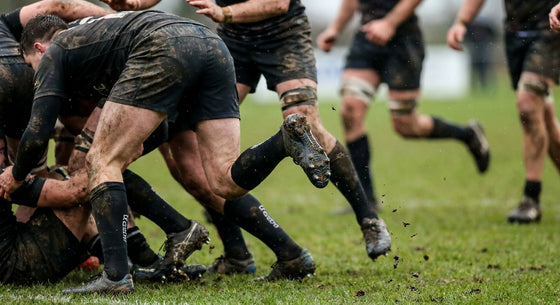
- Football and rugby: repeated cuts, wet grass, hard plants for tackling, passing, and striking
- Basketball and court sports: lateral shuffles, fast stops, explosive first steps, jump landings
- Lacrosse and field sports: mixed sprinting and cutting demands with rapid transitions
If your movement profile is mostly steady-paced running, you may notice less difference. If your sport is built on short bursts and sharp angles, traction underfoot can feel more meaningful.
How to evaluate grip socks like a performance staff
Not all grip patterns or constructions behave the same way under real training loads. For athletes and teams, it helps to evaluate grip socks the way you would any performance tool: based on fit, durability, and how they perform in the conditions you actually compete in.
- Traction placement: Look for grip zones that align with how your sport loads the foot, typically forefoot push-off and heel strike stabilization.
- Durability of grip: The grip should not peel, crack, or flatten quickly after repeated washes and heavy sessions.
- Breathability and heat management: A sock that runs too hot can increase sweat, which can reduce comfort and potentially affect feel.
- Construction that stays locked: Prioritize a secure heel pocket, stable cuff, and a midfoot that resists twisting.
- Thickness and “touch”: Too much padding can dull boot feel, while too little structure may reduce stability.
A practical test is to compare how your foot feels during hard deceleration drills late in training, not just during a warm-up. The best setup is the one that feels consistent across fatigue, pace changes, and surface conditions.
Team kit, custom orders, and keeping performance features intact
Teams increasingly want grip solutions that match uniform requirements while still delivering performance benefits. This is where grip skins or team-compatible sock systems come into play, letting athletes keep the same external look while customizing what happens inside the boot.
If you are ordering custom socks for a squad, ensure design choices do not compromise function. Clear sizing, consistent compression, durable materials, and reliable grip application matter more than cosmetic features once the season workload ramps up.
Some providers, including Nextwave Socks, talk about balancing customization with performance construction. The key is to make sure the sock remains stable under match conditions, not just visually aligned with the kit.
Key takeaway: Grip socks are less about hype and more about reducing in-boot movement, so athletes can cut, stop, and accelerate with a more stable platform.
Conclusion: focus on the principle, not the celebrity
The fascination with elite player details is understandable, but the main lesson is bigger than any single athlete. Grip socks reflect a shift toward measurable, repeatable marginal gains: traction, stability, comfort, and fewer distractions when intensity is highest.
If you are experimenting, keep it simple. Choose a pair that fits securely, holds up to washing, and places grip where you actually load the foot, then test it in realistic training sessions and match conditions.
If you have questions about in-boot stability, blister management, or team-wide sock setups, share your experience in the comments and compare notes with other athletes and coaches. Explore more resources here: what grip socks does ronaldo wear?
Grip that’s scientifically proven.
Join 23,197+ athletes. Free worldwide shipping, up to 44% off the latest drop.
Shop grip socks →