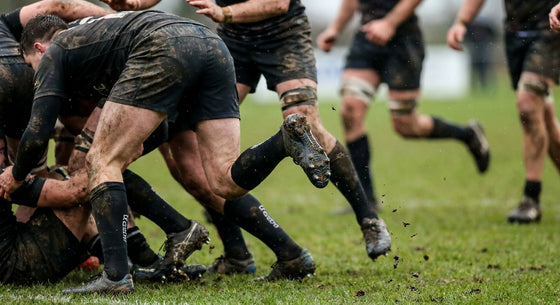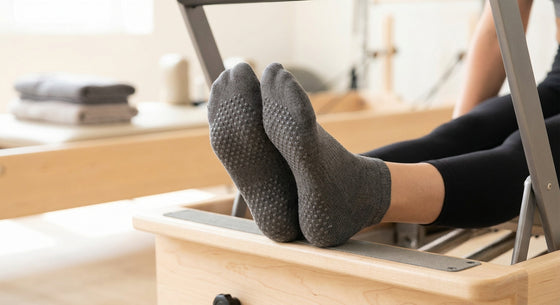
What Grip Socks Do Pro Athletes Wear in 2024?
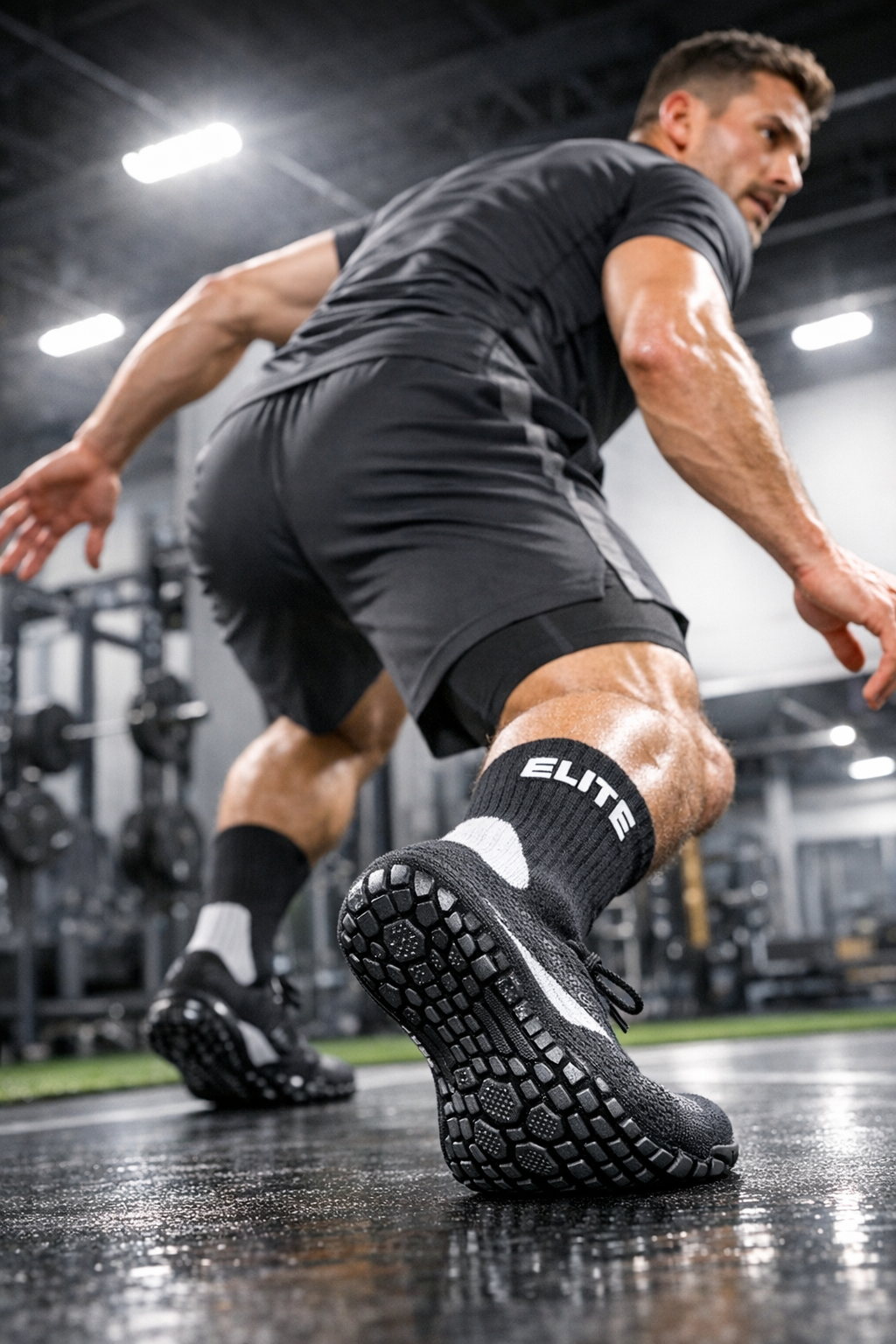
Grip Socks in 2024: The Pro-Level Features That Actually Improve Performance
Grip socks have moved from “nice-to-have” to a serious performance tool across soccer, basketball, football, rugby, volleyball, lacrosse, and other indoor court sports. But at the professional level, athletes are not picking socks based on hype or a logo. They choose models that solve specific problems: reducing in-shoe slippage, improving stability during change of direction, and staying comfortable through long training blocks and match days.
This article breaks down the sports science and gear logic behind pro-level grip sock choices. If you are an athlete looking for more confidence in cuts and landings, or a team staff member aiming for consistent performance across a roster, these are the features that matter most in 2024.
What grip socks do pros wear?
The most accurate answer is that professionals wear grip socks that match their movement demands and their footwear system. Rather than a single universal option, there is a consistent checklist of performance features that show up again and again: targeted traction zones, a locked-in fit, sweat management, and durability. These features are selected to keep the foot stable inside the shoe while still allowing smooth pivots and quick direction changes.
In other words, “pro” is less about a specific label and more about a repeatable performance outcome. When grip interacts correctly with the shoe’s insole and the athlete’s foot, it can reduce micro-slips that waste energy and increase the risk of blisters and hot spots.
Targeted grip placement: traction where movement demands it
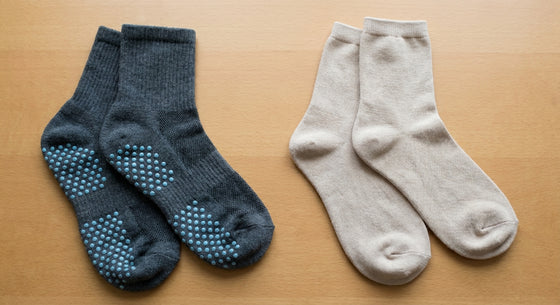
One of the biggest shifts in 2024 is the preference for strategic grip zones rather than full-coverage grip for its own sake. Most high-level athletes generate and absorb force primarily through the forefoot and heel. That is where acceleration, deceleration, landing, and first-step cuts tend to load the shoe.
Why forefoot and heel zones matter
During sprint takeoff and cutting, the forefoot drives propulsion and steering. During braking and landing, the heel and rearfoot help manage impact and stabilize the base. Grip zones in these areas can reduce foot slide inside the shoe, which may improve perceived stability during sharp change-of-direction tasks.
However, more grip is not always better. If traction is too aggressive, the foot can feel “stuck,” which may interfere with natural pivot mechanics and increase unwanted torsion at the knee or ankle during rotational moves.
Look for “traction and release,” not just stickiness
Effective grip patterns typically balance two needs: traction to prevent slippage and controlled release during pivots. This is especially relevant in sports with frequent cutting and turning, like soccer, basketball, and lacrosse. The goal is confidence without the sensation that your foot cannot reposition when you need it.
Fit and compression: the hidden performance driver
If grip is the headline feature, fit is what makes grip work consistently. Pros tend to favor socks that stay aligned under force, because even great traction elements fail if the sock twists, bunches, or creeps under the foot. A stable fit also reduces friction points that can lead to blisters.
Key fit details athletes prioritize
- Locked-in midfoot to prevent rotational movement of the sock during cuts
- Arch support that helps keep the sock from migrating under load
- Structured heel pocket to reduce slipping and minimize hot spots
- Anatomical left and right shaping to keep grip zones aligned throughout a session
Compression is not only about “tightness.” In performance use, the goal is a secure wrap that stabilizes the sock on the foot without restricting circulation. If the cuff is overly constrictive, athletes may feel pressure points during long matches or double-session training days.
Material performance: sweat management, breathability, and comfort over time
In 2024, fabric choices separate novelty grip socks from truly high-performance options. Sweat changes the friction environment inside the shoe, and grip elements can lose effectiveness when the interface becomes slick. Professional athletes often prioritize materials that manage moisture without feeling heavy or saturated.
What to look for in high-performance materials
- Moisture-wicking yarn blends that pull sweat away from the skin
- Breathable mesh zones on top of the foot to improve ventilation
- Reinforced heel and toe to handle repeated sprinting, cutting, and washing
- Comfortable cuffs that stay up without digging into the calf
Comfort is a performance variable, not a luxury. When feet feel hot, damp, or unstable, athletes subconsciously alter mechanics, which can affect movement efficiency and confidence. For team buyers, consistent material quality also matters because athletes will wash these socks frequently and expect them to perform the same week after week.
Layering and “system setups” are now the norm
A major real-world trend is the rise of layering. Many soccer and football athletes use grip socks as a base layer, then add a separate team sock or sleeve to meet uniform regulations. This approach lets players keep their preferred fit and traction while maintaining a consistent team look.
For layering to work well, socks need to be low-profile and smooth around the cuff and ankle. Bulky seams or thick ridges can create pressure points under a sleeve, especially during extended play. A clean interface also helps reduce distractions, which matters more than most people realize during high-pressure competition.
Team logistics: consistency, restocks, and customization without performance loss
What pros wear is also shaped by practical team needs. Teams care about consistent sizing across a roster, reliable reordering, and models that perform the same throughout a season. When athletes trust their gear, staff spend less time solving avoidable comfort or blister issues.
Customization is increasingly common, but it has to preserve function. High-level programs want club colors and branding while maintaining critical details like grip placement, breathability zones, and anatomical shaping. Some suppliers, including Nextwave Socks, have leaned into this “performance-first customization” approach, which reflects how teams actually think: identity matters, but not at the expense of repeatable performance.
How to choose grip socks for your sport: a practical checklist
If you are selecting grip socks for yourself or your team, focus on the problems you are trying to solve. Use the checklist below to match sock features to your sport’s movement profile and your training volume.
- Start with movement demands: high cutting frequency needs traction and release, while linear sprinting may prioritize forefoot stability.
- Check grip zone placement: look for forefoot and heel emphasis that aligns with acceleration and braking.
- Prioritize fit security: ensure the midfoot and heel pocket stay locked during hard direction changes.
- Audit sweat management: choose breathable materials and wicking fabrics to keep grip effective over time.
- Validate durability: reinforced heel and toe, plus grip elements that hold up after repeated washing.
- Consider your uniform system: if layering with sleeves, avoid bulky cuffs and thick seams.
Key takeaway: Pro-level grip sock choices are feature-led: traction where it counts, locked-in fit, sweat management, and durability. If you get those right, the performance benefits tend to show up as confidence and consistency, not just “more grip.”
Conclusion: the “pro” standard is repeatable performance
In 2024, the answer to better grip sock performance is not chasing hype. It is selecting the right combination of traction placement, secure fit, moisture control, and durability for your sport and training load. Pros treat grip socks as part of a footwear system designed to reduce in-shoe slippage and improve stability when it matters most.
If you are building a team kit plan or upgrading your personal setup, use the feature checklist above and pay attention to how your feet feel during the toughest parts of training: hard cuts, late-game fatigue, and repeated sprints. If you have questions or want to share what has worked for your sport, leave a comment and compare notes with other athletes and coaches.
Grip that’s scientifically proven.
Join 23,197+ athletes. Free worldwide shipping, up to 44% off the latest drop.
Shop grip socks →