Pro Grip Socks: Why Athletes Use Them for Performance
Why Pro Athletes Wear Grip Socks: Stability, Speed, and Fewer Distractions
In high-performance sport, the difference between winning and losing can be a fraction of a second or a single misstep. One often-overlooked factor is what happens inside the shoe: tiny slides between the foot, sock, and insole that accumulate into slower reactions, less efficient movement, and more friction on the skin.
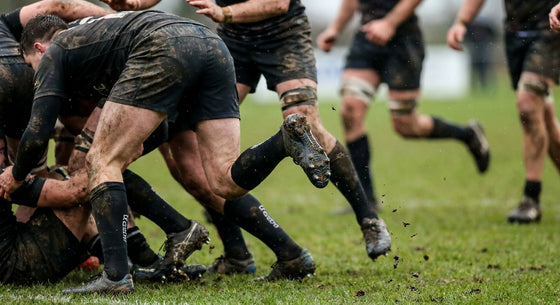
That is why grip socks have become common across sports like soccer, basketball, rugby, and many training-based disciplines. They are not a magic upgrade, but they solve a specific performance problem: reducing in-shoe movement so athletes can cut, accelerate, decelerate, and change direction with more stability and confidence.
The hidden performance cost of in-shoe movement
Even a small amount of foot slip inside the shoe can create a chain reaction. When the foot shifts on push-off or landing, the body has to spend time and energy re-stabilizing before producing the next movement. At recreational levels this can be hard to notice, but at higher speeds it becomes obvious in sharper cuts, quicker stops, and more consistent foot placement.
In-shoe movement also increases rubbing, especially around the heel, toes, and forefoot. Over long sessions or multi-game weekends, that extra friction can raise blister risk and reduce comfort, which can subtly change your stride and decision-making.
How grip socks work in sports science terms
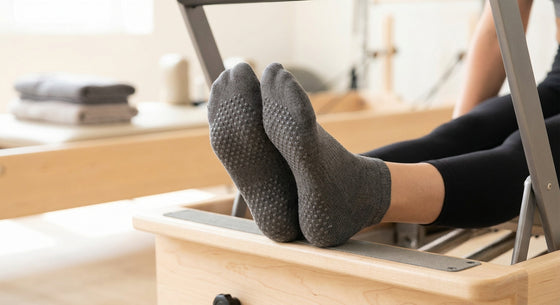
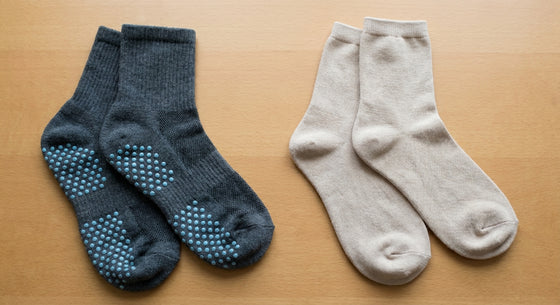
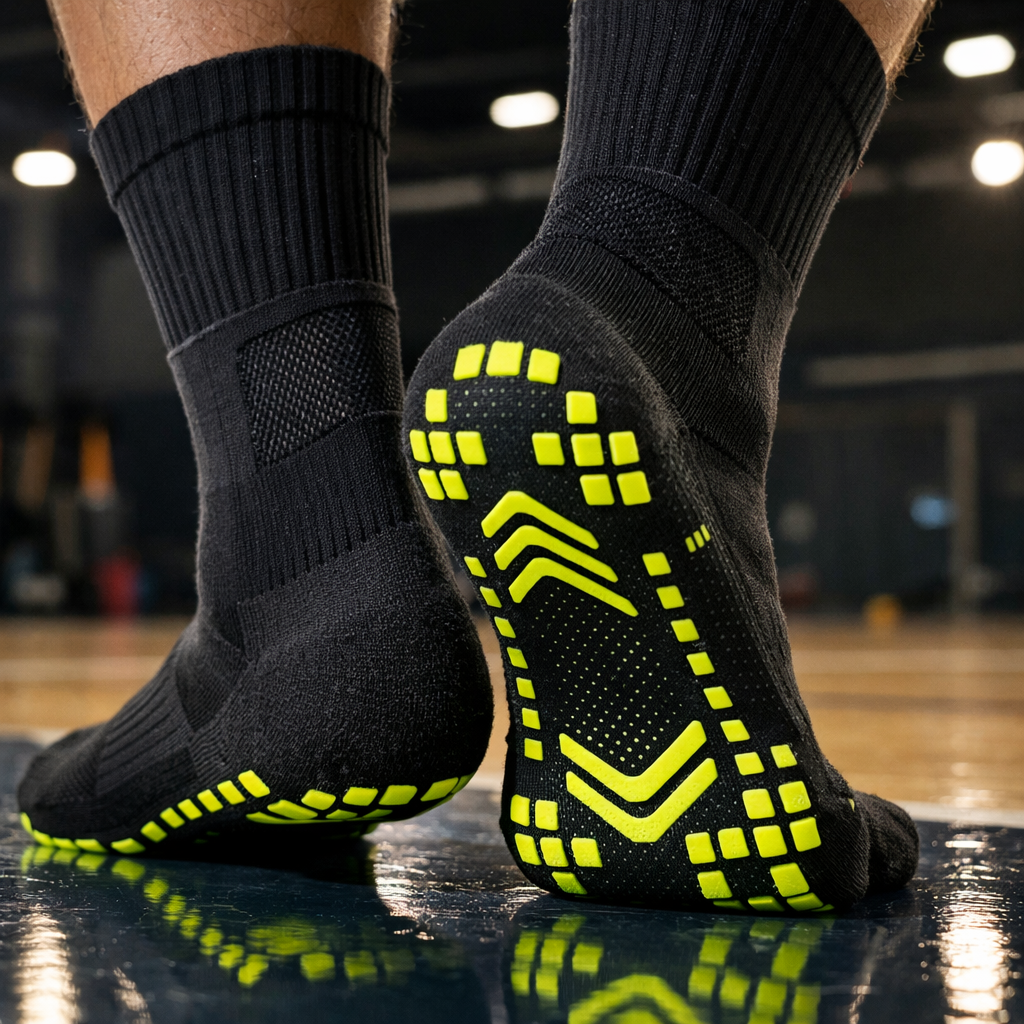
Grip socks are designed to increase friction between the sock and the insole. Most versions use silicone or rubberized “pods” on the outsole of the sock to raise traction where pressure is highest. The goal is not to stick your foot to the ground, but to reduce internal sliding so force transfers more directly through the shoe.
When internal traction improves, athletes often report that footwork feels “cleaner” during hard plants and rapid direction changes. That perceived stability matters because confidence influences movement choice, especially in contested situations where hesitation costs time.
What grip socks do professionals use?
At the professional level, there is rarely one universal choice. Instead, pros tend to select grip socks that share a consistent set of performance traits: reliable grip placement, a stable fit, and durability that holds up through heavy weekly training loads.
In team environments, kit staff often look for predictability across an entire season: the same feel, the same fit, and minimal variation from pair to pair. Some teams use custom grip socks to meet uniform requirements, add sizing or numbering clarity, and ensure every athlete receives the same performance standard. Brands like Nextwave Socks are part of the broader category athletes may encounter, but the key is understanding the functional features that matter most.
Performance benefits athletes actually notice
Grip socks matter most during high-force, high-speed actions where small instability becomes expensive. The following benefits are the most commonly reported outcomes when grip, fit, and footwear are well-matched.
- Sharper change of direction: More controlled planting and push-off can help you redirect with less “re-adjustment” inside the shoe.
- More efficient power transfer: Reduced internal sliding means less wasted motion and a more direct connection from foot to shoe to ground.
- Improved balance under contact: A more stable base can support better body control in tackles, rebounds, and contested plays.
- Reduced friction hot spots: Less rubbing at the heel and forefoot can lower blister risk, especially in long sessions.
What to look for in a high-performance grip sock
Grip socks are not all built the same. Athletes usually know quickly whether a pair works because the feedback is immediate: stability during cuts, comfort during long runs, and whether the sock stays in place under sweat.
1) Grip placement and coverage
Look for grip that is dense and strategically placed under the forefoot and heel, where load and shear forces are highest. Too little grip can feel ineffective, while overly bulky grip can feel “lumpy” and distracting. The best designs tend to feel secure without drawing attention to themselves.
2) Fit that matches foot anatomy
A close, anatomical fit helps prevent the sock from twisting or bunching, which can create pressure points. Some high-performance socks are left-right specific to better match foot shape. A secure cuff and a stable midfoot wrap also help keep everything locked in when you pivot or sprint.
3) Moisture management for consistent traction
Sweat changes the friction environment inside the shoe, so breathable, sweat-wicking yarns matter. When moisture builds up, socks can feel slippery even if they have grip elements. If you train in hot conditions or sweat heavily, prioritize materials designed to move sweat away from the skin.
4) Support zones and compression (without overdoing it)
Many athletes like light arch support because it reduces sock migration and improves comfort. More compression is not always better, especially if it restricts natural foot swelling during long sessions. The goal is a secure feel that stays consistent from warm-up through cooldown.
5) Seam construction that reduces irritation
Toe seam height and placement matter more than many athletes expect. Low-profile seams can reduce irritation during high-volume running and repeated accelerations. If you have recurring hot spots on toes, this detail can be a difference-maker.
6) Durability through training, travel, and washing
Grip elements should remain effective after repeated washes rather than peeling, flattening, or losing texture quickly. Pros often train multiple times per week, so their socks need to hold shape and performance under real wear, not just on day one.
Team takeaways: standardizing a small but meaningful advantage
For teams, grip socks can be a practical way to standardize feel across a squad even when athletes wear different boot or shoe models. Consistency helps reduce variables that can affect movement quality, especially during congested schedules where fatigue increases the cost of small inefficiencies.
Custom options can also solve operational challenges, such as matching uniform color rules, clarifying sizing, and ensuring replacements feel identical mid-season. When every player has consistent equipment feedback underfoot, coaches and performance staff can focus on training outcomes rather than constant gear adjustments.
Individual athlete takeaways: how to choose the right pair for your sport
Grip socks should match your performance needs, footwear, and session type. A pair that feels perfect for sprint work might feel too aggressive for long endurance runs, where a smoother interface can feel more natural. The best choice is the one that supports your movement without creating new distractions.
- Match thickness to shoe fit: If your shoes are already snug, a thick sock can crowd the toe box and increase pressure.
- Choose grip intensity for the session: Hard-cut sports often benefit from stronger traction than steady-state training.
- Test in training first: Try new socks in practice before competition to spot hot spots early.
- Dial in lacing and insole setup: Grip socks work best when the shoe is well-secured and the insole is not sliding.
A quick evidence-based reality check
Grip socks can improve perceived stability and reduce internal slippage, but they are not a replacement for well-fitting footwear, good foot strength, and smart load management. If you routinely get blisters or feel unstable, also consider shoe sizing, lacing technique, insole condition, and how your feet handle sweat.
For more background on blister prevention basics and friction management, see this overview on friction blisters. For a broader view of how footwear affects movement and performance, you can explore sports medicine research articles that discuss footwear factors across different sports.
Key takeaway: Professionals use grip socks because they reduce foot movement inside the shoe without changing the shoe itself, helping athletes move more decisively with fewer comfort distractions.
Conclusion: small changes that support faster, cleaner movement
Grip socks have become popular in professional sport for a simple reason: they address in-shoe movement that can quietly reduce performance and increase irritation over time. When grip placement, fit, moisture control, and durability align, athletes often feel more stable during rapid cuts, stops, and re-accelerations.
If you are part of a team, consider grip socks as a way to standardize underfoot feel across players and match demands across surfaces and footwear. If you are an individual athlete, treat them like any performance tool: test, compare, and choose the setup that delivers stability without sacrificing comfort.
If you want to explore options and learn more about fit and performance features, visit what grip socks do professionals use? and share what has worked best for your sport in the comments.
Grip that’s scientifically proven.
Join 23,197+ athletes. Free worldwide shipping, up to 44% off the latest drop.
Shop grip socks →