How to Wear Grip Socks for Performance and Comfort
Grip Socks in 2026: Fit, Traction, and Comfort for Real Performance
Grip socks have evolved from a niche training accessory into a standard piece of kit for athletes who care about traction, stability, and foot comfort. In 2026, performance gains come less from simply owning a pair and more from choosing the right cut for your sport, dialing in fit, and pairing them with the right footwear setup.
This guide breaks down the sports science behind grip socks and the practical details that matter most on the field, court, or gym floor. Whether you manage a team kit policy or you are an individual athlete fine-tuning match-day prep, the goal is the same: reduce in-shoe movement, improve control, and stay comfortable under load.
Why grip socks matter: traction, stability, and foot mechanics
Most slips happen inside the shoe rather than between the shoe and the ground. When your foot slides on the insole during cuts or deceleration, you lose time, waste energy, and increase friction that can lead to hotspots and blisters.
Grip socks help by increasing friction between the sock and insole, creating a more "locked-in" platform. That can support faster changes of direction, more confident planting, and steadier force transfer during sprints, jumps, and lateral movements.
Choose the right height and design for your sport
Grip sock height is not just style, it is equipment integration. The right cut can reduce rubbing, improve comfort, and keep grip zones positioned correctly under the foot when you are moving at speed. Our Elite Grip Socks collection covers crew and low-cut options designed for exactly this kind of sport-specific performance.
Crew and knee-high: field sports and contact environments
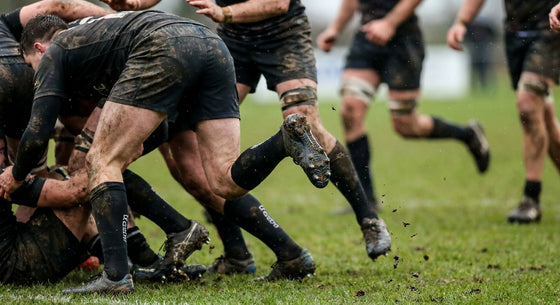
Crew and knee-high options are common in soccer, rugby, and other field sports where shin guards and higher cuts are part of the uniform. The added coverage can help prevent rubbing from guards or boots and keep everything stable through repeated impacts and long running volumes.
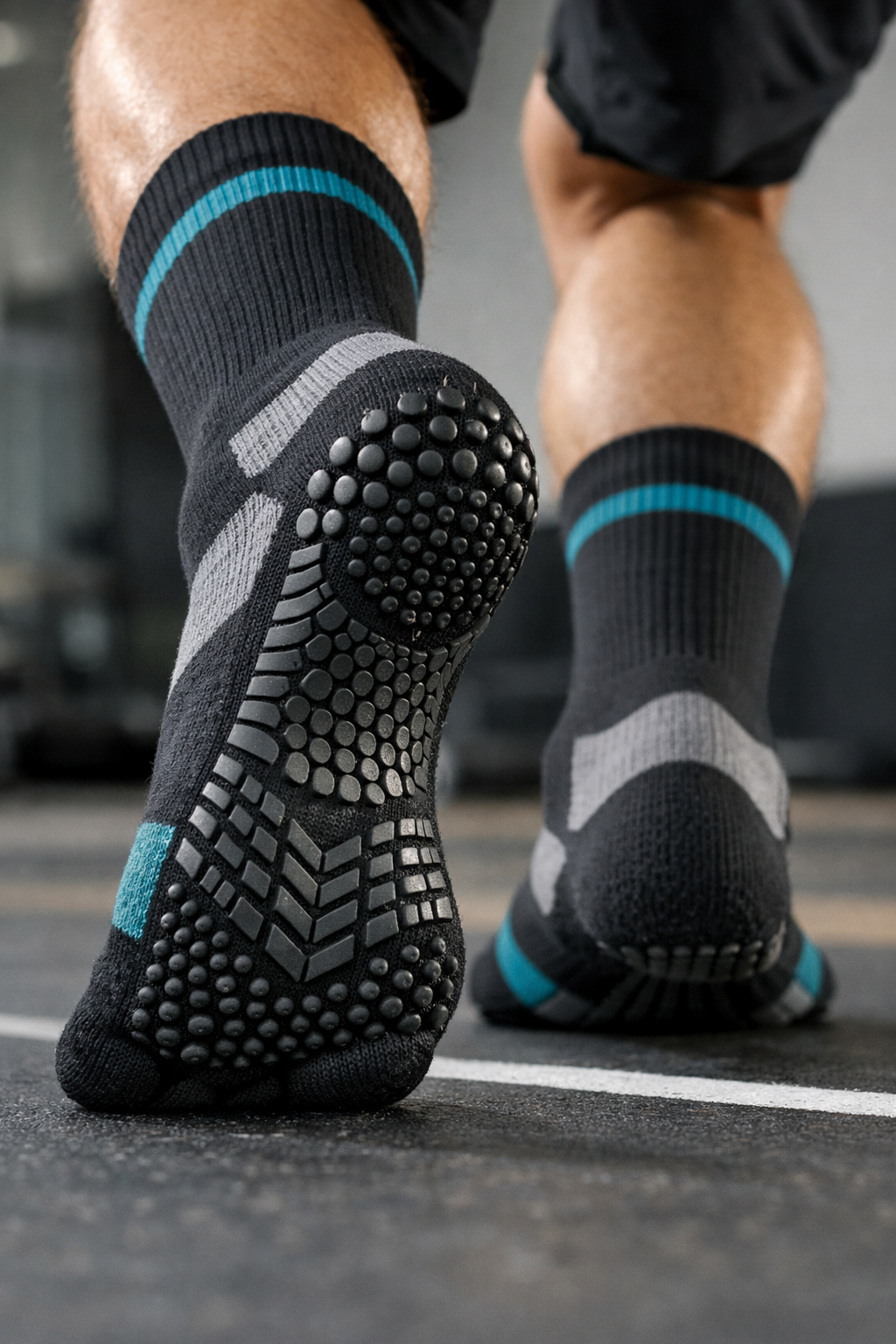
For many athletes, a higher cut also feels more secure under fatigue because the sock is less likely to migrate downward. The key is making sure the grip pattern still sits under the ball of the foot and heel, not drifting toward the arch.
Low-cut and quarter: training, court sports, and agility
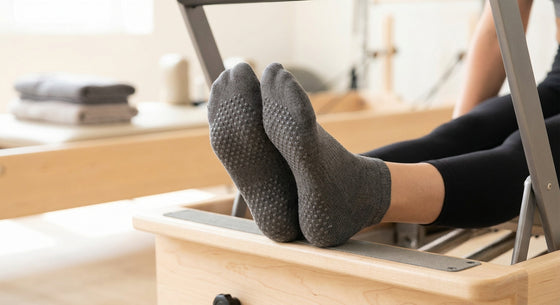
Low-cut and quarter styles can be a strong choice for gym work, court sports, and agility sessions where ventilation and lighter coverage matter. If your sessions involve frequent footwork but less contact with shin guards or long socks, a lower cut can feel cooler and less restrictive.
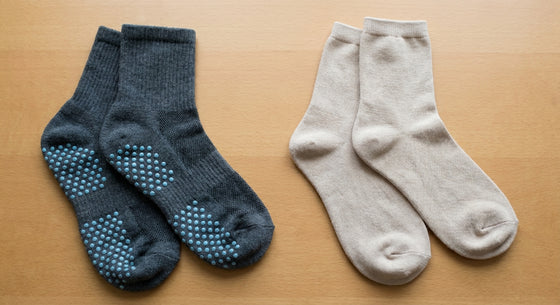
Regardless of height, prioritize a snug midfoot and consistent underfoot grip contact. The grip elements should be concentrated where you load most: heel strike and forefoot push-off.
Fit is the performance multiplier
Fit is where grip socks succeed or fail. They should feel compressive and secure without cutting off circulation, and they should not allow excess material to bunch under the arch or toes. Our Elite Grip Socks are engineered with a precision-fit footbed to eliminate bunching and keep grip zones locked in place through every movement.
If you are between sizes, many athletes do best with the size that minimizes extra fabric. Wrinkles are more than an annoyance: they create friction points, reduce consistent traction contact, and can increase blister risk during repeated cuts.
What to check before training or match day
- Heel pocket alignment: The heel cup should sit cleanly under your heel, not rotated.
- Toe space: Avoid a cramped toe box that can cause numbness, but do not leave excess room that invites sliding.
- Midfoot hold: The arch and instep should feel snug to reduce internal movement inside the shoe.
- No folds: Smooth fabric contact improves both comfort and traction consistency.
how to wear grip socks?
Putting grip socks on correctly is an underrated skill because positioning determines whether grip zones engage evenly. If the sock is twisted or the heel pocket is misaligned, the traction elements can sit in the wrong place and performance becomes inconsistent.
Use a deliberate, step-by-step approach so the sock behaves like part of the footwear system, not like a loose layer. This matters most in sports with hard cuts, stops, and re-acceleration.
- Start with dry feet: Moisture increases friction in the wrong places and can raise blister risk.
- Slide the sock on gradually: Avoid yanking from the cuff, which can twist the footbed alignment.
- Seat the heel pocket: Make sure your heel is fully "captured" before pulling higher.
- Smooth the arch and toes: Flatten any folds so the grip elements contact the insole evenly.
- Do a quick movement check: A few hops or lateral steps can reveal bunching before you lace up.
Pair grip socks with the right footwear setup
Grip socks perform best when the shoe already fits well. They cannot compensate for a boot that is too large, a stretched upper, or an insole that is worn smooth and unstable.
If your shoe fit is already snug, expect a short adjustment period. Extra traction can change how your foot "sits" in the shoe, and you may need to fine-tune lace tension so your foot stays secure without being over-compressed.
Lacing and insole tips for better lock-in
- Do not over-tighten by default: Many athletes find they can loosen slightly once grip socks reduce sliding.
- Secure the midfoot, free the forefoot: Aim for a stable instep with a comfortable toe box to allow natural splay and balance.
- Evaluate your insole condition: If the insole is thin, curled, or slippery, traction benefits may be inconsistent.
If you want a deeper dive into blister prevention and moisture management, the National Athletic Trainers' Association blister guidance is a useful reference point for athletes and support staff.
Comfort and skin care: reduce friction before it becomes injury
Performance is hard to access when your feet hurt. For longer sessions, moisture control is one of the simplest ways to reduce friction and lower blister risk, especially in hot environments or double-session training days.
If you are prone to hotspots, address them proactively. Light anti-chafe balm, well-placed tape on known friction zones, and careful attention to seam placement around the toes can keep small problems from becoming session-ending issues.
Key takeaway: Traction is only "high-performance" if it stays comfortable under fatigue. Smooth fabric contact, dry skin, and consistent fit keep grip working for you rather than against you.
Rotating multiple pairs across the week helps elasticity rebound and keeps each pair performing consistently. Some teams also note fewer comfort complaints when athletes avoid wearing the same pair for every session without adequate recovery time between washes.
Team and club guidelines: standardize to reduce equipment variables
Teams can get extra value by standardizing basic sock guidelines across the squad. When players wear mixed cuts, inconsistent sizing, or different wear habits, it adds equipment variables that can affect comfort and confidence, especially for athletes returning from injury.
A simple team approach can include consistent sock height for match day, a sizing recommendation, and a checklist for correct wear. Some squads also keep a small fit-testing routine during preseason to identify players who need a different cut or a footwear adjustment. If you are looking for a versatile option that works across multiple positions and roles, the Pro Grip Socks collection is worth exploring alongside our Elite range.
If you are working with a club supplier or exploring custom uniform consistency, Nextwave Socks is one example of a provider teams may encounter, but the core performance principles here apply regardless of brand: correct fit, correct wear, and a stable shoe setup.
Care and maintenance: keep traction working all season
Grip elements can lose effectiveness if they are coated or degraded by harsh washing habits. Maintenance is part of performance because traction consistency depends on clean grip zones and preserved elasticity.
- Wash inside out on a gentle cycle to clean the grip surface without unnecessary abrasion.
- Avoid fabric softeners: they can leave residue that reduces grip effectiveness.
- Air dry when possible: high heat can shorten elasticity life and affect fit over time.
Before key matches, test your setup in training first. That includes socks, lacing, and any insole changes, so match day is not the first time your foot mechanics feel "different."
Conclusion: small setup changes, noticeable performance returns
Grip socks can deliver a real upgrade in stability, comfort, and control, but only when the fundamentals are right. Choose a height that matches your sport, prioritize a wrinkle-free fit, put them on with intention, and pair them with well-fitting footwear and sound skin care.
If you coach or manage a squad, consider standardizing grip sock guidelines to reduce gear-related variables and keep athletes focused on performance. If you are an individual athlete, experiment in training, then lock in the setup that feels secure, natural, and repeatable.
Want more ways to improve traction and comfort without overcomplicating your kit? Explore how to wear grip socks? and share what has worked best for your sport in the comments.
Ready to upgrade your traction?
Explore our full range of performance grip socks — engineered for athletes who demand consistency, comfort, and control on every rep and every run.
Shop Elite Grip Socks → Browse Pro Grip Socks →Grip that’s scientifically proven.
Join 23,197+ athletes. Free worldwide shipping, up to 44% off the latest drop.
Shop grip socks →