How to Wash Grip Socks for Performance and Longevity
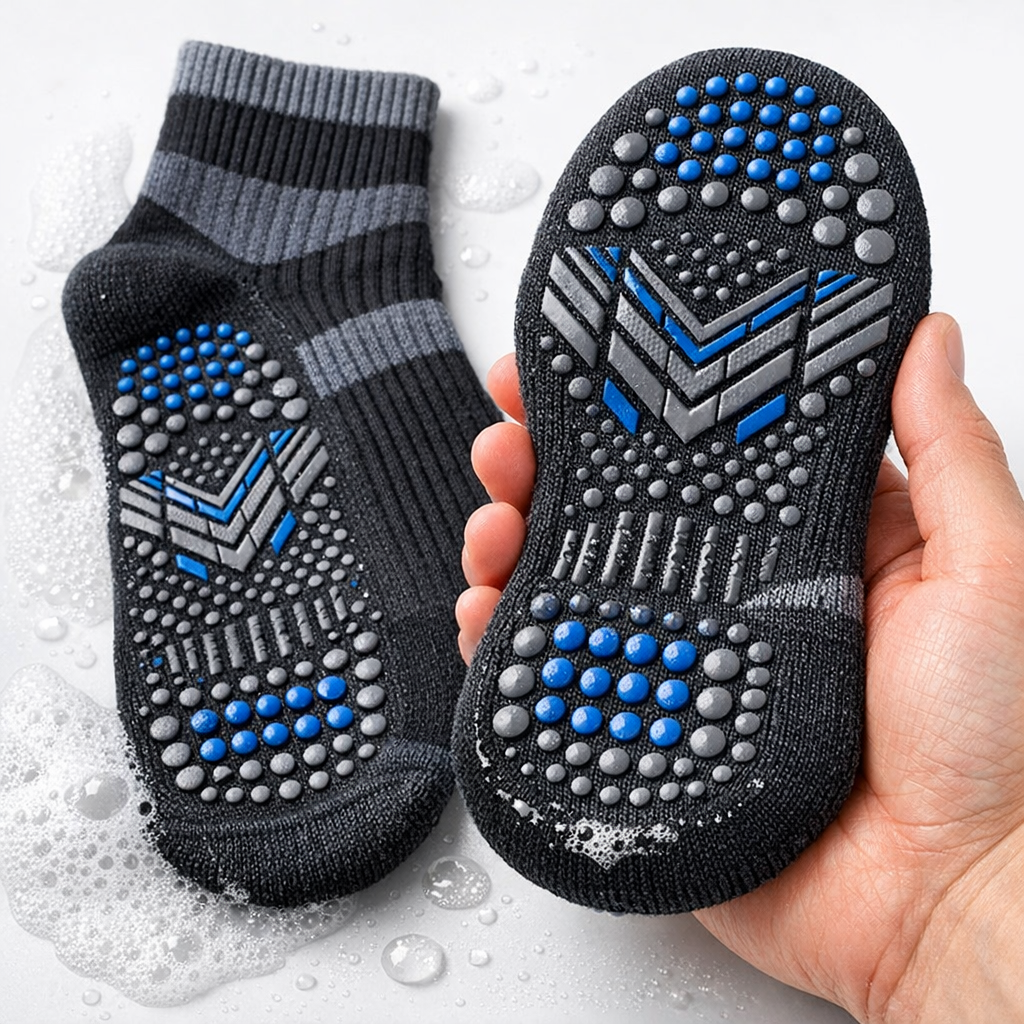
How to Wash and Care for Grip Socks for Peak Traction
Grip socks are designed to improve traction, control, and confidence during high-intensity training and competition. But the same silicone or rubber grip elements that help you cut, pivot, and accelerate can lose their tackiness faster when washed or dried the wrong way.
This guide breaks down a simple, repeatable care routine that protects grip performance, preserves fit, and keeps fabric supportive across long seasons and heavy training blocks. It is written for individual athletes and team staff who want reliable on-field feel without replacing gear more often than necessary.
Why Grip Socks Lose Traction Over Time
Grip socks usually fail in predictable ways: the grip pads get slick, the knit feels less supportive, and the fit starts to shift. Most of that comes down to residue, abrasion, and heat.
Sweat, body oils, and fine grit can coat the grip surface and reduce friction. Meanwhile, aggressive washing cycles and contact with rough items like zippers can scuff grip elements and fatigue elastic fibers.
Key takeaway: Most “lost grip” is not permanent damage at first. It is often buildup and wear that can be slowed dramatically with better wash and dry habits.
how to wash grip socks?
If you want the quick answer, treat grip socks like performance equipment rather than everyday cotton socks. The goal is to clean oils and debris without grinding down the grip pads or cooking the elastic.
Use cold or lukewarm water, a gentle cycle, and mild detergent. Avoid anything that leaves residue or stresses the materials, especially bleach, fabric softeners, and heavy scent boosters.
Best Practices After Every Session
Wash soon after use
Time matters. The longer sweat and oils sit in the fabric, the more they bind to fibers and the grip surface, which can make traction feel inconsistent.
Prompt washing also reduces odor buildup, which is often caused by bacteria feeding on sweat residue. Even a same-day rinse and wash beats letting socks bake in a closed kit bag overnight.
Turn them inside out or fold grip-to-grip
Turning socks inside out helps the interior knit release sweat salts and oils more effectively. If you prefer not to invert them, folding grip-to-grip reduces the chance that grip pads scrape against other garments.
This small step reduces abrasive contact, one of the fastest ways to dull the surface of grip elements.
Use a mesh laundry bag
A mesh bag adds protection in busy loads, especially when washing with training gear that includes zippers, snaps, or hook-and-loop fasteners. It also helps teams standardize kit care when multiple players are sharing laundry cycles.
If you want more general guidance on fabric care symbols and laundering basics, the American Cleaning Institute has clear, athlete-friendly references.
Detergent and Water Settings That Protect Grip
The safest default is cold to lukewarm water on a gentle cycle. Hot water can soften or warp some grip compounds over time and can accelerate elastic breakdown, which affects fit and compression.
Choose a mild detergent and use the smallest amount that still cleans effectively. Overuse can leave detergent film behind, and that film can make grip pads feel slick during play.
- Avoid bleach: It weakens fibers and can discolor fabrics.
- Avoid fabric softener: It coats fabrics, often reducing friction and breathability.
- Avoid heavy scent boosters: They can leave residue that interferes with grip feel.
Pre-Treating: Clean the Grip Without Over-Washing
Not every issue requires a full wash cycle, especially during tournaments or multi-session days. Light pre-treatment can restore feel and reduce the need for harsher cleaning later.
Quick rinse for dust, lint, and turf pellets
If the soles pick up dust, rubber pellets, or lint, rinse the grip surface under cool water. Use your fingers or a soft cloth to gently wipe away debris.
Skip stiff brushes or aggressive scrubbing. Friction is a major cause of surface wear on grip pads, and once that texture dulls, traction can feel less “tacky” even if the socks are otherwise clean.
Short soak for stubborn odor
If odor persists, a short soak in cool water with a small amount of gentle detergent is often enough. Sports-safe odor removers can work well too, as long as they rinse clean and do not leave a coating behind.
After soaking, rinse thoroughly and proceed with a gentle wash if needed. The goal is to remove the source of odor without stressing the grip elements.
Drying Grip Socks: The Hidden Performance Variable
Drying is where many grip socks lose longevity. High heat can warp grip elements and weaken elasticity, which changes fit and can cause bunching inside boots or shoes.
Best option: air-dry
Air-dry flat or hang dry in a shaded, well-ventilated area. Direct sun and high heat can age some materials faster, so shade is a safer default for consistent performance.
Air-drying also helps socks retain shape, which matters when you rely on a precise fit during cuts and quick direction changes.
If you must use a dryer
Use the lowest heat setting available and remove socks promptly. Avoid over-drying, because extended heat exposure is what typically causes the most damage over time.
When possible, reserve machine drying for emergencies, not daily routine.
Team Laundry Room Tips for Consistent Results
When you manage dozens of athletes, small inconsistencies add up quickly. The best team results come from standardizing process and removing the most common sources of abrasion and residue.
- Separate grip socks from abrasive items like zippers, heavy hoodies, and hook-and-loop straps.
- Standardize settings to cold or lukewarm water and gentle cycles across all loads.
- Remove shared softeners from the routine to prevent residue transfer from other garments.
- Use mesh bags to reduce friction and sorting errors during busy kit turnarounds.
For teams that issue consistent team gear, it can help to align sock specifications and care instructions across the squad. Some programs using providers like Nextwave Socks also include simple care cards in kit systems so athletes follow the same routine without guessing.
Extend Lifespan with Rotation and Smart Storage
Performance textiles benefit from recovery time. Rotating pairs gives fibers a chance to rebound between sessions, which helps maintain consistent compression and fit.
Storage habits matter too. Always let socks dry fully before placing them in a locker or bag, and avoid leaving them crumpled in a damp kit overnight where bacteria and odor compounds build faster.
- Rotate at least two to three pairs during heavy weeks.
- Store socks clean and dry in a breathable space.
- Do not pack damp socks tightly in closed compartments for long periods.
Conclusion: Keep the Grip, Keep the Fit, Keep the Confidence
Grip socks perform best when their surface stays clean, their pads stay intact, and their knit stays elastic. Washing soon after use, protecting the grips from abrasion, choosing gentle settings, and prioritizing air-drying can preserve traction and comfort for far longer than a “normal laundry” approach.
If you have a team laundry system, consistency is your advantage. If you are an individual athlete, rotation and good storage habits can be the difference between socks that last a few weeks and socks that stay reliable through a full season.
Want more performance care tips and gear guidance for training blocks and match weeks? Explore how to wash grip socks? and share your own laundry routine in the comments.
Grip that’s scientifically proven.
Join 23,197+ athletes. Free worldwide shipping, up to 44% off the latest drop.
Shop grip socks →