
How to Clean Grip Socks & Keep Them Fresh
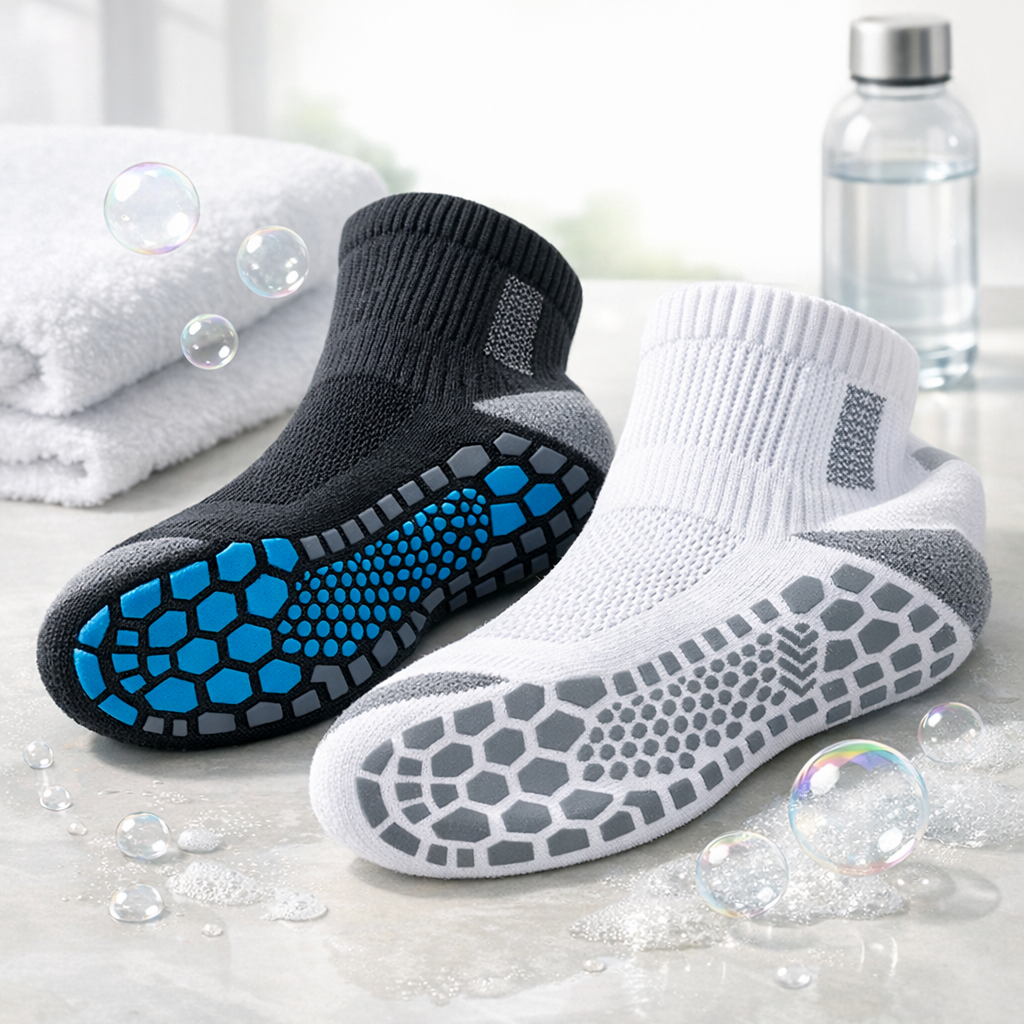
How to Keep Grip Socks Clean, Fresh, and Game-Ready
Grip socks do more than feel comfortable inside a boot or trainer. They help reduce foot slip, support quick direction changes, and keep you stable when sweat and pressure build during hard sessions. The downside is that grip zones collect skin oils, turf pellets, dust, and detergent residue, which can make them slick, stiff, and smelly over time.
This guide breaks down athlete-friendly routines that protect traction and stretch while improving hygiene. Whether you are an individual athlete managing your weekly kit or a team staff member handling bulk laundry, the goal is the same: keep grip socks performing like they should on training day and match day.
Why Grip Socks Lose Traction (and Start Smelling)
Grip elements work best when their surface is clean and slightly tacky. When oils from skin and sweat coat those pads, the contact friction changes, so the grip can feel less responsive. Add in dirt and turf debris, and the pads can become clogged, which also makes the sock feel stiff.
Odor is usually a timing issue as much as a cleaning issue. Damp socks left in a kit bag create a warm, low-airflow environment where bacteria thrive. The longer they sit, the more stubborn the smell becomes, even after washing.
how to clean grip socks?
If you want the shortest, most reliable routine, focus on a few fundamentals: expose the sweaty side, remove debris, wash gently, and dry without heat damage. Doing the basics consistently beats occasional extreme cleaning that can wear the sock down. The steps below scale well from one pair to a full team load.
Pre-Wash Routine: Set Yourself Up for a Better Clean
1) Turn them inside out
The inside of the sock holds most of the sweat, salt, and skin oils that feed odor-causing bacteria. Turning socks inside out puts that layer directly in contact with water and detergent. It also helps the knit fabric release grime more easily during the wash.
2) Shake or brush the grip pads
Before washing, remove loose debris from the grip zones to prevent it from grinding into the material. A quick shake over a bin works, or use a soft brush to dislodge turf pellets and dirt. This step reduces abrasion in the machine and keeps the grip pattern more responsive.
3) Wash soon after use
Try to wash grip socks the same day you wear them, especially after high-sweat sessions. Leaving them damp in a bag drives bacterial growth and locks in odor. If you cannot wash immediately, hang them to air out in a ventilated space first.
Washing Grip Socks the Right Way (Machine and Hand Options)
Grip socks benefit from cool to lukewarm water and mild detergent. Hot water and aggressive chemicals can weaken elastic fibers, fade colors, and reduce the life of grip elements. If you are managing multiple athletes, consistent settings help prevent accidental damage across the whole kit.
Machine wash: the athlete-friendly default
Machine washing works well when you reduce friction and let socks rinse thoroughly. The priorities are protecting the grip zones from abrasion and avoiding detergent buildup that can coat fibers. A little care here keeps socks feeling soft without sacrificing traction.
- Use a mesh laundry bag to reduce rubbing against zippers, studs in kit, and rough fabrics.
- Select a gentle cycle with cold or lukewarm water.
- Use mild detergent and avoid heavy dosing that leaves residue.
- Do not overload the drum so water can circulate and rinse dirt out of the grip zones.
- Skip fabric softener because it can coat fibers and reduce breathability and grip feel.
Hand wash: useful in tournaments and travel
Hand washing is a strong option when you need a fast reset between games. Use cool water and a small amount of mild detergent, then gently work the fabric rather than aggressively scrubbing the grip pads. Rinse until the water runs clear, because leftover detergent can make the sock feel slick.
Pre-Soak and Deep Clean: When Socks Are Extra Sweaty
If your grip socks are heavily saturated or already starting to smell, a short pre-soak can lift grime before the main wash. Use cool water with a small amount of gentle detergent for 15 to 30 minutes. This loosens sweat salts and oils that can cling to fibers and grip elements.
For periodic deep cleaning, extend the soak time and focus on thorough rinsing rather than stronger chemicals. Consistency is safer than harsh products that can strip materials and shorten lifespan. If you want science-based odor context, the CDC hygiene guidance is a useful general reference for controlling bacteria through regular cleaning and drying.
What to Avoid: Common Mistakes That Ruin Performance
Most grip sock damage happens in the laundry stage, not on the field. High heat, harsh chemicals, and residue-building products change the feel and function of technical materials. Protecting elastic recovery and tacky grip feel should guide your choices.
- Bleach (unless the care label allows it): it can break down fibers and weaken stretch.
- High heat washing or drying: heat can warp grip patterns and reduce elasticity.
- Fabric softener: can leave a coating that reduces breathability and traction.
- Over-scrubbing grip zones: increases wear and can make pads peel or crack over time.
Drying Grip Socks: The Step That Preserves Traction
Air drying is the safest method for performance socks because it avoids heat-related damage. Lay socks flat or hang them in a ventilated area away from radiators and direct sunlight. Make sure grip zones are not pressed tightly against a hot surface.
If you must use a dryer, keep it on low heat and remove socks promptly. Extended heat cycles can degrade stretch recovery and make grip elements brittle over time. This is especially important for teams laundering many pairs per week, where small damage compounds quickly.
Odor Control for Athletes and Teams: Win with Consistency
Odor control is mostly about preventing bacteria from thriving between sessions. Rotate multiple pairs so each set fully dries before the next use, which slows odor buildup and helps socks last longer. Avoid storing used socks compressed in a sealed pocket or plastic bag.
For team environments, set up a simple system: ventilated bins for worn kit, quick turnarounds to the wash, and clear rules on separating socks from muddy items. If you use custom kits, separating darks and lights also prevents color transfer and keeps designs looking sharp, including custom sets some teams order through providers such as Nextwave Socks.
Key takeaway: Clean grip zones work like clean studs. When debris and oils build up, traction drops and discomfort rises, especially under high sweat and repeated impact.
Quick Performance Checks Before Match Day
A simple inspection takes less than a minute and can prevent slipping, rubbing, or distractions during competition. Grip socks should feel like performance equipment, not just another piece of clothing. Use these checks before you pack your bag or step onto the pitch.
- Grip feel: pads should feel tacky, not slick or overly stiff.
- Elastic rebound: the sock should snap back without bagging at the ankle or arch.
- Seams and interior feel: seams should lie smooth to reduce hot spots and blisters.
- Odor and dryness: if it still smells strongly when dry, plan a cool soak and a full rinse cycle.
Keep reading: our guide to how long grip socks last, or see grip sock care guide.
Conclusion: Clean Socks, Better Traction, Fewer Distractions
Grip socks take a beating, but most performance issues are preventable with a simple routine: turn them inside out, remove debris, wash gently, and air dry whenever possible. Avoid high heat and residue-building products, and you will preserve both traction and comfort. For athletes and teams, small habits like rotating pairs and ventilated storage make a noticeable difference across a season.
If you found this guide helpful, share it with a teammate or kit manager and add your own laundry tips in the comments. For more resources and options related to performance sock setups, explore how to clean grip socks?.
Grip that’s scientifically proven.
Join 23,197+ athletes. Free worldwide shipping, up to 44% off the latest drop.


