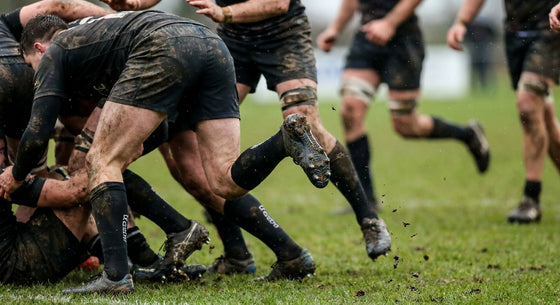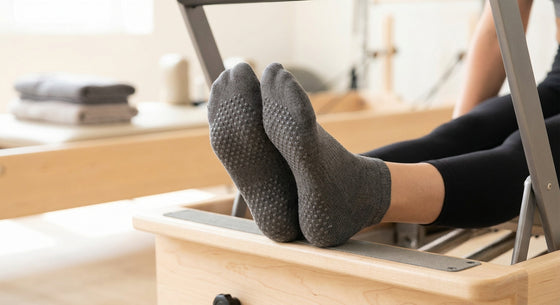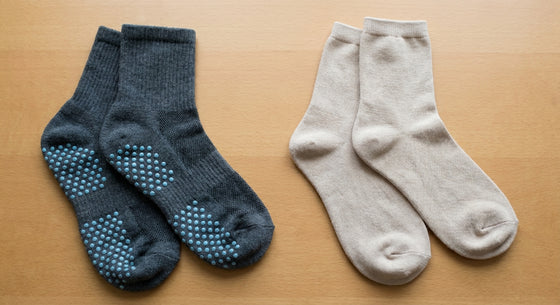
Are Grip Socks Legal in Professional Sports?
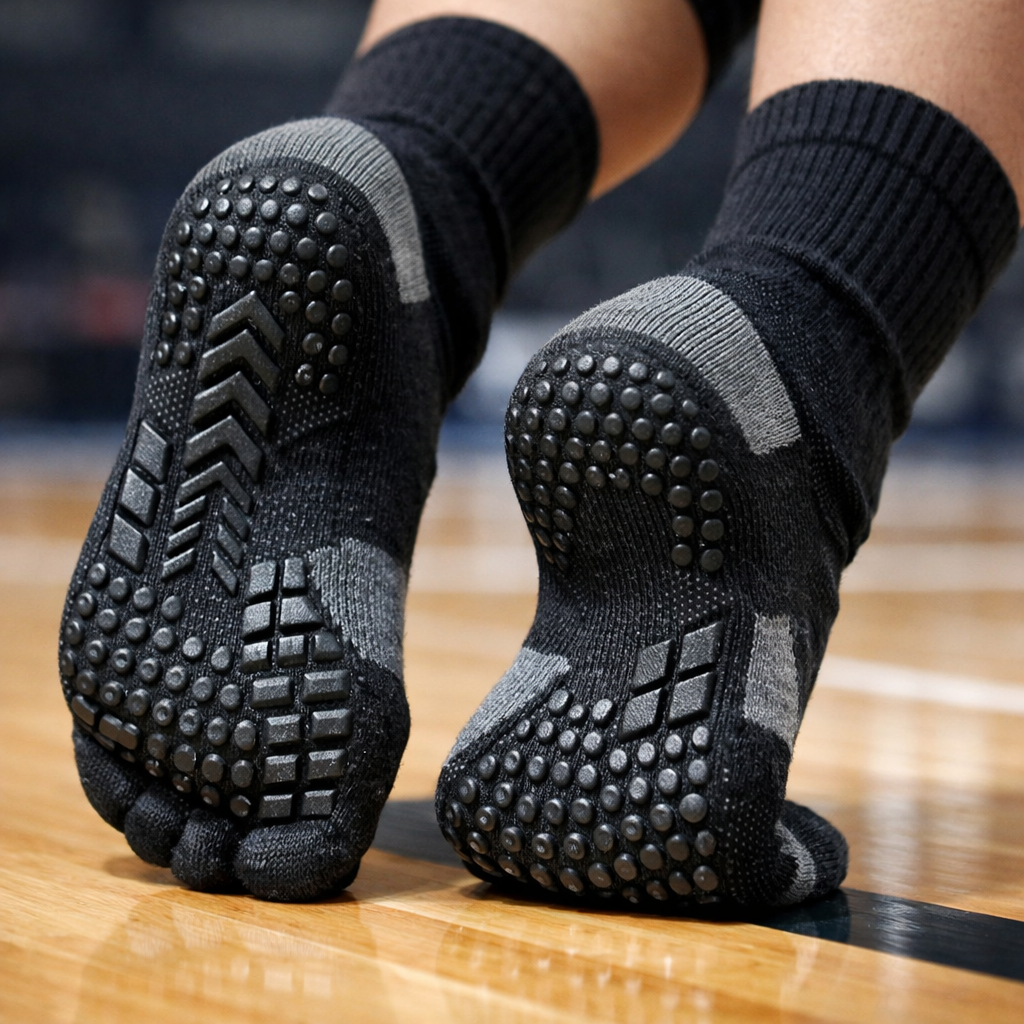
Grip Socks in Competition: Rules, Safety, and Performance Without the Myths
Grip socks have become a common part of modern training and match-day prep, especially for athletes who want a more stable feel inside the boot or shoe. Yet one question keeps coming up in locker rooms and team chats: are they actually allowed? The answer is nuanced and depends on the sport, league rules, and how the socks are worn.
This article breaks down why the “illegal” rumor persists, what most governing bodies actually regulate, and the practical steps athletes and teams can take to stay compliant. The goal is simple: help you pursue high-performance choices while staying on the right side of uniform and equipment policies.
Why the “illegal” rumor won’t go away
Grip socks are rarely banned because of the grip feature itself. Instead, most issues arise from uniform presentation rules, branding limits, and how an athlete modifies or layers socks. When enforcement varies from one competition level to another, it creates confusion that sounds like a blanket prohibition.
In many sports, the foot and lower-leg area is tightly regulated because it is part of the visible kit and interacts with protective equipment. If grip socks change the look of the official sock, introduce extra logos, or require “double socking” that alters the uniform standard, they may be flagged. The grip is often incidental compared to these compliance details.
are grip socks illegal
In most professional and amateur settings, grip socks are not outright illegal. Whether you can wear them depends on your league’s uniform rules, the governing body’s equipment regulations, and sometimes the preferences of a specific event organizer. The same sock may be allowed in one competition and questioned in another based on appearance or policy wording.
The practical takeaway is that “legal” is not a universal label in sport. It is a rulebook question, not a viral-clip question. If you treat grip socks like any other piece of performance apparel and verify compliance early, you can usually avoid last-minute issues.
Uniform compliance: the most common reason athletes get stopped
Uniform rules are often stricter than athletes expect. Many leagues require socks to match team colors, maintain a consistent look across the squad, and avoid non-approved alterations. Grip socks can conflict with those standards if they are visible, patterned differently, or worn in a way that changes the official kit silhouette.
Common uniform rule “tripwires”
- Color matching: Socks may need to match a specific shade or pattern in the approved team kit.
- Logo limits: Some leagues cap logo size, placement, or number of visible marks.
- Approved supplier rules: Teams sometimes have kit contracts that require official socks or specific product categories.
- Over-sock and under-sock restrictions: “Double socking” can create a non-compliant look, especially if the outer sock no longer appears uniform across players.
This is especially relevant in soccer and similar field sports where socks are integrated with shin guard coverage and consistent team appearance. Altering socks with cuts, excessive tape, or visible layers may draw attention from officials even if the grip elements themselves are harmless.
Safety and surface integrity: what regulators actually care about
Most governing bodies evaluate equipment through a safety lens: does it create a hazard for the wearer, opponents, or the playing surface? Grip pads made from silicone or rubberized materials are typically acceptable when they are smooth, intact, and not excessively abrasive. Concerns usually appear when the grip material is unusually thick, peeling, sharp-edged, or likely to mark indoor floors.
For indoor courts, venues may have additional restrictions designed to protect surfaces. A sock that leaves residue or scuffs can be treated as a facility issue rather than a sport issue, but the result is the same: you may be asked to change. When in doubt, check the venue guidance and ask ahead of time.
What to look for in a “low-risk” construction
- Flat, flexible grip elements that do not form sharp ridges
- Secure adhesion so pads do not peel during play
- Non-marking materials for indoor surfaces when applicable
- No modifications like added grip strips or DIY coatings
If you want to understand how rules typically frame “dangerous equipment,” it can help to review general guidance from your sport’s governing body. For example, FIFA’s Laws of the Game emphasize safety and allow officials to prohibit equipment deemed dangerous, which is a useful reference point even outside soccer: IFAB Laws of the Game.
Performance advantage: why socks rarely trigger fairness bans
Competitive advantage arguments do not often lead to outright grip sock bans. Many sports allow performance apparel as long as it does not cross into the realm of external traction devices or illegal equipment additions. The grey area appears when grip features are extreme enough to be interpreted as an “added device” rather than normal apparel.
In practice, most officials focus on whether the sock changes the interface between footwear and playing surface in an unnatural way. Grip socks primarily influence the foot-to-insole relationship inside the shoe, not the shoe-to-ground traction that spikes, studs, or outsole patterns control. That distinction matters when rules prohibit traction aids attached to footwear.
How to stay compliant without sacrificing your routine
Teams that manage this well treat grip socks like any other piece of regulated equipment: verify, standardize, and communicate. Individual athletes can do the same by checking policies early rather than assuming “everyone wears them.” Enforcement is often stricter at higher levels and during showcased events with formal kit inspections.
A quick compliance checklist for athletes and equipment staff
- Read the current uniform and equipment policy for your league or federation, focusing on sock color, height, logos, and modifications.
- Confirm how socks should be worn (single layer versus under-sock) and whether tape rules affect shin guard coverage or sock integrity.
- Ask about venue surface rules for indoor courts or special turf policies, since marking materials can be a deal-breaker.
- Choose a “standard look” with compliant colorways and minimal visible branding, so the sock reads like normal kit.
- Do a pre-event check with an equipment manager, referee coordinator, or event organizer if you are unsure.
If you are ordering team gear, consider discussing uniform compliance upfront with your supplier. Some teams work with providers such as Nextwave Socks to align color, branding visibility, and overall presentation with their competition requirements, while still keeping the focus on fit and feel rather than flash.
Key takeaway for high-performance athletes
Grip socks are usually allowed, but compliance is rarely about grip. Most issues come down to uniform appearance, logo restrictions, and whether the materials meet safety and surface standards.
The best performance routines are the ones you can use consistently without needing last-minute changes on game day. If grip socks are part of your setup, make sure they blend into your team’s uniform rules and do not introduce facility concerns. A small admin step before the season can protect your preparation when the stakes are highest.
Conclusion: use the rulebook to your advantage
Grip socks are widely used in training and competition and are rarely prohibited outright. When they are disallowed, it is usually because of uniform compliance, branding visibility, or how they are worn in combination with official socks and tape practices. Safety concerns tend to focus on surface integrity and whether the sock presents a hazard, not on performance enhancement.
If you have encountered inconsistent enforcement or have questions about a specific league, share your experience with your coaches or teammates and compare notes with the official regulations. For more resources on performance apparel and team kit options, explore are grip socks illegal.
Grip that’s scientifically proven.
Join 23,197+ athletes. Free worldwide shipping, up to 44% off the latest drop.
Shop grip socks →