Are Grip Socks Thick Enough for Cold Weather Training?
Are Grip Socks Thick Enough for Training and Cold Weather?
Thickness is one of the first things athletes notice when choosing grip socks, especially when training intensity climbs or temperatures drop.
But performance is not just about adding bulk. The best grip socks balance cushioning, grip placement, moisture control, warmth, and fit so you stay stable without losing speed or touch.
This guide breaks down what “thick enough” really means for high-intensity work and winter sessions, plus how teams and individual athletes can choose the right construction for their environment.
Are grip socks thick: what athletes really mean by “thick enough”
When athletes ask “are grip socks thick,” they are usually trying to solve one of three problems: impact protection, warmth, or a more secure feel inside the shoe.
Thickness can help with all three, but it can also create new issues if it changes the fit or traps sweat. In sports science terms, you want the right amount of material in the right zones, not a uniformly bulky sock.
A useful way to think about thickness is targeted function: cushioning where impact is highest, breathable knit where heat builds up, and grip elements that support traction without creating pressure points.
High-intensity training: why targeted cushioning beats bulky thickness
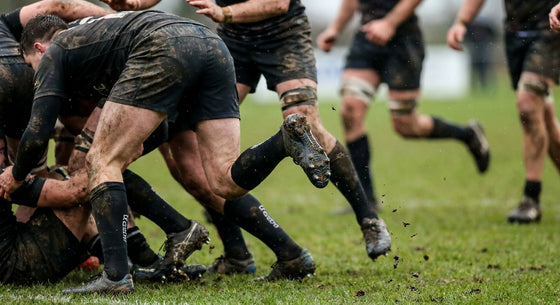
For sprints, agility work, plyometrics, HIIT, and indoor court training, the goal is stability during rapid force changes. Your sock has to manage friction, reduce hot spots, and stay locked in place while you cut and accelerate.
A medium-weight sock with focused padding often performs better than a thick sock everywhere. Too much thickness can reduce ground feel, increase internal movement, and make the foot feel like it is “floating” inside the shoe.
What thickness should do during hard sessions
The best training-friendly thickness acts like shock management, not a soft pillow. Look for cushioning under the heel and forefoot, where landing forces and repeated push-offs concentrate.
This helps reduce peak pressure and can lower the chance of irritation during longer sessions. It is especially valuable when volume is high, such as repeated shuttle runs or multi-drill practices.
When thickness starts to hurt performance
Overly thick socks can change how your foot interfaces with the shoe. That can make the upper feel tighter, reduce fine control, and increase shear forces if the sock compresses and rebounds during movement.
Heat build-up is another downside. When the foot runs hotter, sweat increases, and sweat can amplify slipping if moisture control is not strong.
- Best for indoor high-intensity and tight-fitting footwear: light to medium weight, high breathability, secure arch support, and low-profile grip.
- Best for mixed sessions (field and gym): medium weight with targeted cushioning and durable grip placement.
Cold-weather grip socks: warmth is insulation plus dryness
In winter training, athletes often assume the solution is a thicker sock. Thickness helps, but warmth depends on insulating air and maintaining a dry microclimate against the skin.
If sweat sits in the fabric, feet can cool quickly once intensity drops, such as between drills, during coached breaks, or after a hard run. That is why cold-weather performance is as much about moisture management as it is about insulation.
Look for construction that traps warmth underfoot while still allowing heat and moisture to escape where the foot runs hottest.
Materials and knit structure that support warmth
Looped terry underfoot and thicker yarns can increase insulation by trapping air. A higher cuff or calf coverage can also reduce heat loss around the ankle, where circulation can be more exposed.
However, the knit must still move moisture away from the skin. Breathable panels and strategic ventilation can be the difference between staying warm for two hours and feeling cold after the first break.
Fit matters more in winter than most athletes expect
In cold conditions, an overly thick sock can tighten footwear and restrict circulation. Reduced blood flow often makes feet feel colder over time, even if the sock itself is warmer on paper.
A practical check is this: if switching to thicker socks makes your laces noticeably tighter or changes your foot position in the boot, you may be sacrificing warmth and control. If you want a deeper overview of winter layering principles, this cold-weather safety guidance is a helpful baseline for understanding heat loss and protection.
- Best for cold outdoor training: medium-to-thicker cushioning with strong moisture control, ankle or calf coverage for warmth, and a fit that does not compress the foot.
Grip and thickness: how traction elements change the feel
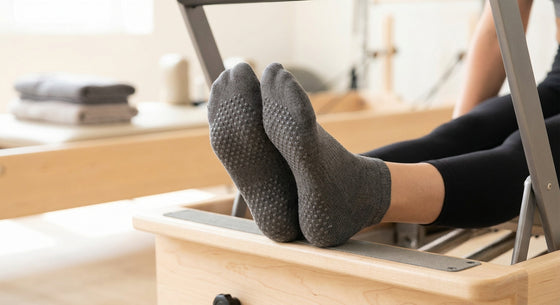
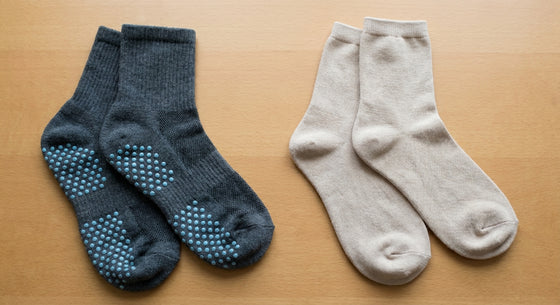
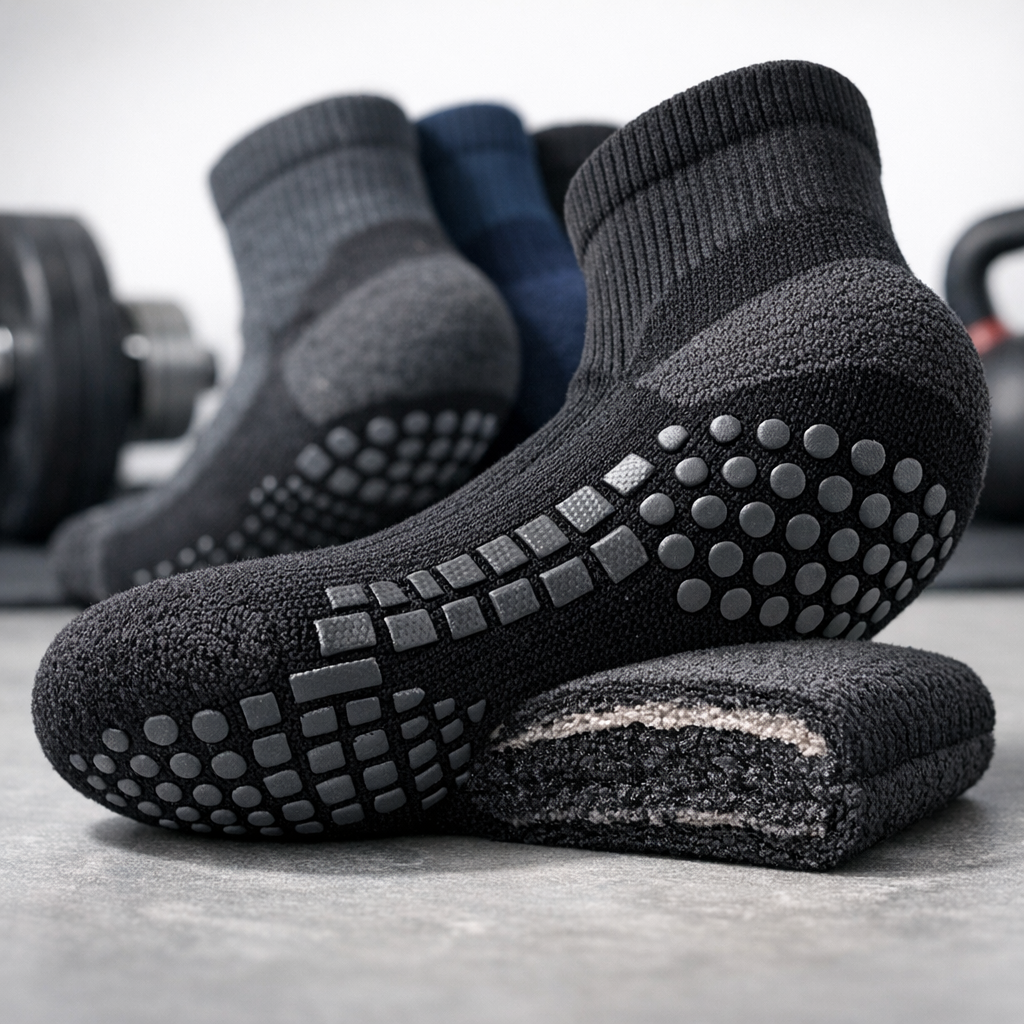
Grip socks add traction using silicone or rubberized elements, and their design interacts directly with thickness. Grip should be effective under load, but still low-profile enough to avoid pressure points.
In tight boots or trainers, a thinner sock with a precise grip layout may outperform a thicker sock with aggressive grip that increases friction. On the other hand, for sock-only training on turf or indoor floors, a bit more structure and cushioning can improve stability and comfort.
Where grip is placed matters as much as how much grip you have
Underfoot grip that aligns with the forefoot and heel contact zones generally supports acceleration and braking. Side-to-side stability can also improve when grip placement matches the main shear directions of cutting movements.
What you want to avoid is a design that creates uneven pressure or bunching, which can distract proprioception and increase irritation during long sessions.
Key takeaway: “Thick enough” is not a single number. The best grip socks use smart construction: targeted cushioning, moisture control, and grip placement that supports how you actually move.
A practical checklist: choosing the right grip sock thickness
If you are selecting socks for a team, consider the most common footwear, surface, and session structure. For individual athletes, start with your highest-priority problem: slipping, blisters, cold feet, or lack of feel.
Then match thickness to function rather than guessing. This approach is usually more reliable than choosing the thickest option available.
- Identify the environment: indoor court, gym floor, turf, grass, or cold outdoor field.
- Check footwear fit: if thicker socks change lockdown or circulation, reduce thickness or adjust sizing.
- Look for targeted cushioning: heel and forefoot padding for impact, lighter knit through the midfoot for breathability.
- Prioritize moisture control: sweat management is performance management, especially in winter.
- Choose grip that matches your use: low-profile for tight shoes, more structure for sock-only work.
Custom specs for teams: dialing in performance without overbuilding
For programs managing multiple training settings, custom grip socks can help standardize performance across the roster. The benefit is not “more thickness,” it is more precision: cushioning zones, knit density, compression levels, cuff height, and grip layout tailored to the sport and climate.
Even subtle changes, like adding terry underfoot while keeping the upper breathable, can improve comfort without compromising fit. Some teams exploring options through providers such as Nextwave Socks use customization to keep the same traction feel across different athlete preferences and seasonal conditions.
If you want to dive deeper into how moisture affects blister risk and traction, this medical overview of friction blisters offers useful context on how heat, sweat, and shear interact.
Conclusion: thick enough is about smart construction
Grip socks can absolutely be thick enough for high-intensity training and cold-weather performance. But the “best” thickness depends on targeted cushioning, breathable warmth, moisture control, and grip elements that stay effective without creating pressure or fit issues.
For most athletes, medium-weight socks with strategic padding and well-placed grip offer the best mix of protection, control, and feel. In winter, staying dry is often the hidden factor that keeps feet warmer longer.
If you have questions about matching sock thickness to your sport, surface, or climate, share what you are training for and what footwear you use. For athletes and teams who want to explore options, visit are grip socks thick.
Grip that’s scientifically proven.
Join 23,197+ athletes. Free worldwide shipping, up to 44% off the latest drop.
Shop grip socks →