Where to Buy Grip Socks for Pilates: Best Picks
Pilates Grip Socks: Performance, Stability, and Smart Buying for Athletes
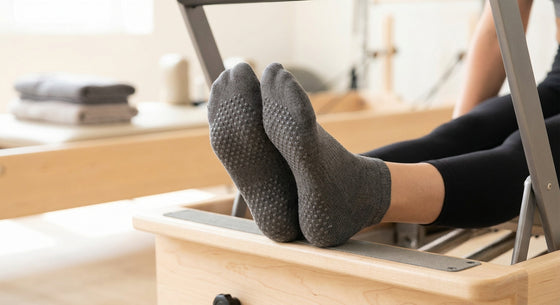
Grip socks have moved from “nice to have” to essential equipment in Pilates, especially for athletes and teams using reformers, slippery studio floors, or fast transitions between positions.
When traction improves, movement quality often improves too. Less slipping can mean better alignment, cleaner reps, and more confident intensity during balance-focused work.
This guide explains where to find Pilates grip socks, what separates high-performance construction from basic options, and how teams can buy consistently for training blocks and travel.
Why grip socks matter for Pilates performance
Pilates often demands precise foot placement and controlled force transfer through the whole kinetic chain. When your foot slides on a reformer carriage or mat, you can lose stability at the ankle and change joint angles up the chain.
Grip socks reduce unwanted motion at the foot-to-surface contact point. That can help athletes maintain better posture under fatigue, especially during unilateral work and long eccentric phases.
For teams, grip socks also create consistency. When every athlete has similar traction, coaches can cue technique without constantly modifying for who is slipping and who is not.
where to buy grip socks for pilates?
You can find grip socks in several places, and each channel has advantages depending on your timeline, fit needs, and whether you are buying for one athlete or a full roster.
Pilates studios
Studios usually stock options that match their equipment and flooring. The biggest benefit is convenience: you can try them on quickly and confirm grip feel immediately.
This is a practical choice for first-time buyers, travelers, or anyone who forgot socks before class. Selection may be limited, especially for extended sizing or bulk purchases.
Sporting goods retailers and specialty fitness stores
Retailers often carry a wider range of materials, cushioning levels, and compression profiles. This can help athletes who cross-train in strength training, court sports, or yoga and want a sock that matches multiple sessions per week.
You may be able to compare thickness and structure in person, but inventory can vary by location. If your team needs identical pairs for a season, you may still end up ordering online for consistent reorders.
Online brand stores and marketplaces
Online shopping typically offers the widest selection of sizes, grip patterns, colors, and multi-pack options. It is also often the most efficient route for teams or clubs that need consistent restocks or want custom designs.
When ordering online, prioritize clear sizing charts, detailed product photos of the grip layout, and return policies. If you are looking at team or club solutions, some companies such as Nextwave Socks may offer ordering workflows that support coordination and reorders without turning it into a complicated equipment project.
What to look for in high-performance Pilates grip socks
Not all grip socks perform the same once sweat, repeated washes, and high training volume enter the picture. The key is to evaluate construction details that affect traction, fit, and durability.
Grip placement that matches your training
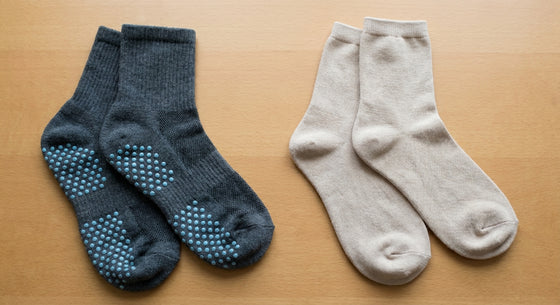
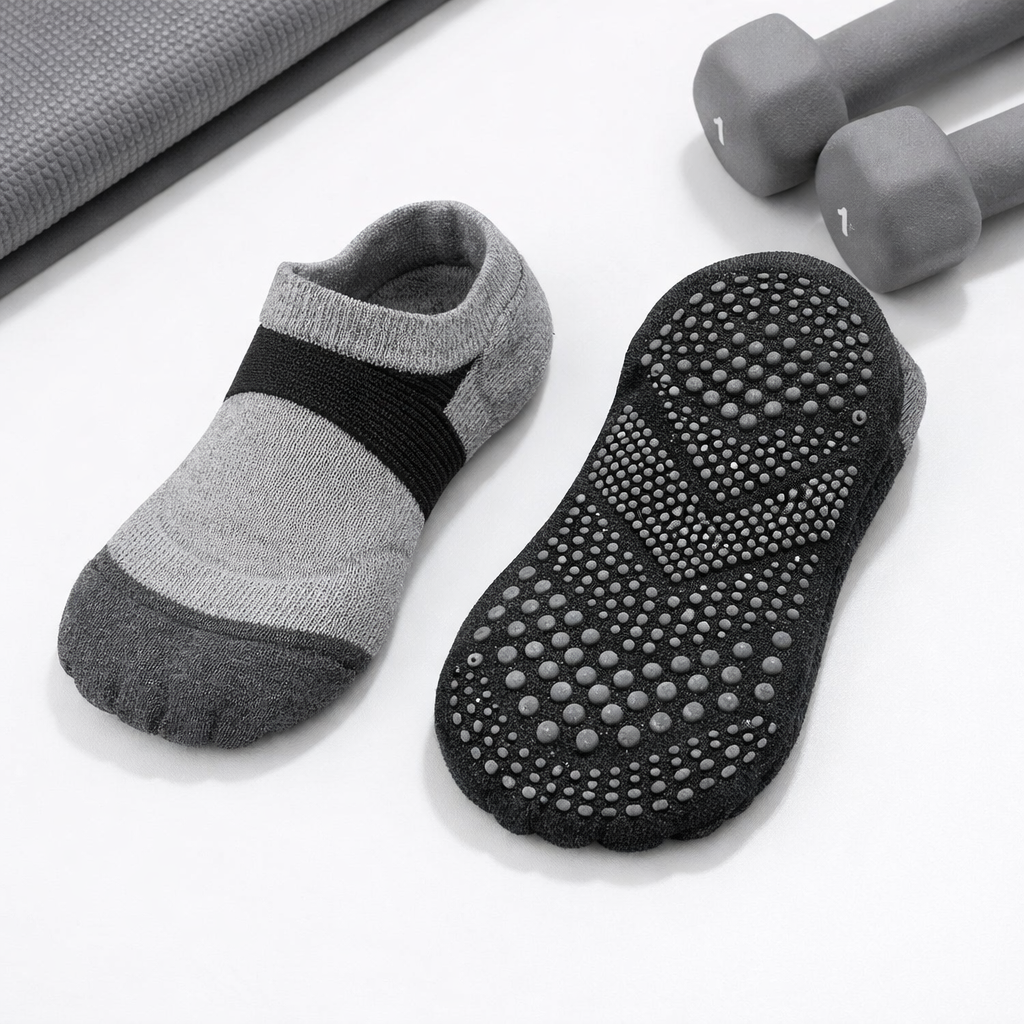
Grip patterns generally fall into two categories: full-sole coverage or targeted zones under key contact points. Full-sole grip can feel more secure across varied foot positions, while zoned grip may feel more flexible for athletes who want more sensory feedback.
For reformer-heavy training with frequent foot changes, full-sole grip can reduce “missed” traction when you land slightly off the intended zone. For mat work emphasizing articulation and toe control, targeted grip may feel less restrictive.
- Full-sole grip: more uniform traction during transitions and varied foot placement
- Targeted grip zones: potentially more mobility and ground feel, but less forgiving if placement shifts
Traction that survives washing and sweat
The grippy material should maintain friction after repeated laundering. If grip elements flatten, peel, or harden, traction drops and athletes unconsciously start bracing or gripping with the toes to compensate.
That compensation can increase fatigue in the foot and calf and may reduce the quality of balance and control work. Always check care instructions since heat and aggressive drying cycles can shorten grip lifespan.
Fit that prevents twisting, bunching, and sliding
Unlike many sports where footwear “locks” the sock in place, Pilates is often performed without shoes, which makes sock fit far more noticeable. A sock that twists can change how pressure loads under the foot, and bunching can create hot spots and distraction.
Look for a secure midfoot and heel shape that resists rotation. If you are between sizes, consult the sizing chart and consider the tighter option if the fabric has good stretch and recovery.
Breathability and moisture management
Sweat changes friction at the skin and sock interface, which can affect stability even if the sole grip is strong. Breathable yarns help disperse heat and reduce moisture buildup during longer sessions or double days.
Athletes training multiple times per week should treat moisture management as a performance feature, not a comfort luxury. Better moisture control often equals more consistent traction and fewer mid-session adjustments.
Reinforced heel and toe for high-use athletes
Reformers, mats, and studio floors create repeated abrasion at the heel and toe. Reinforcement in these zones can meaningfully extend sock lifespan for athletes who do Pilates as part of a strength and conditioning plan.
Durability matters for teams because frequent replacements lead to mixed models and inconsistent grip feel across the roster. A more durable build can support a cleaner, more consistent training standard.
Team buying: how to keep performance consistent across a roster
For teams, one of the most overlooked factors is batch-to-batch consistency. Two pairs that look similar can still differ in sizing, compression, or grip density, and small differences show up quickly when athletes are balancing, lunging, or moving fast.
Consider setting a simple team standard: sock height, grip coverage type, and acceptable color range. Then document the exact model specs and re-order from the same source when possible.
- Standardize requirements: crew versus low-cut, full-sole versus zoned grip, compression level
- Order early: allow time for exchanges and for athletes to test during practice
- Track feedback: note any issues with slipping, overheating, or fit across positions
Key takeaway: A team-wide grip sock standard can reduce variability, improve confidence during balance work, and make coaching cues more consistent across athletes.
Practical buying tips athletes actually use
Small purchasing details can make the difference between a sock you trust and a sock you stop wearing after two sessions. Treat this like any performance gear decision: match features to training demands.
Match sock height to environment and preference
Low-cut styles can feel minimal and cool, which some athletes prefer for spring and summer training. Crew styles add coverage and warmth, and they can feel more secure for athletes who dislike ankle exposure on equipment.
If you train early mornings or in colder studios, a bit more coverage can reduce stiffness perception during warm-up. For travel teams, crew height can also reduce skin contact with shared surfaces.
Check return policies and sizing charts
Because grip socks are worn close to the skin, return policies can be stricter than other apparel. Before ordering multiple pairs, verify sizing guidance and confirm whether exchanges are allowed for unopened items.
If you are building a team order, consider a small “fit run” first, then place the bulk purchase once sizing is confirmed. You can learn more about choosing the right size by reviewing general fitting guidance on educational resources such as American College of Sports Medicine for broader training and apparel considerations.
Follow care instructions to preserve grip
Grip longevity often comes down to laundering habits. Excess heat can degrade grip elements or reduce their tackiness over time.
As a general rule, wash after use, avoid high heat drying when possible, and keep socks away from fabric softeners if the care label warns against them. A consistent care routine helps traction stay consistent through a training block.
When custom grip socks make sense for teams and training groups
Custom grip socks can be useful when you need uniformity, easy identification, or a coordinated look for competition travel. The performance goal is consistency: same fit, same grip layout, same feel across the roster.
Before committing, confirm logo placement will not interfere with grip zones, and verify color matching expectations. Also plan around minimum order quantities and lead times so you are not forced into last-minute substitutions.
- Best for: school teams, clubs, studios running cohort programs, traveling squads
- Plan for: lead time, minimum quantities, sizing mix, re-order availability
- Avoid: adding design elements that change traction on high-contact areas
Conclusion: choose grip socks like performance equipment
Pilates grip socks are not just a studio accessory. For athletes, traction and fit can influence stability, movement confidence, and the quality of balance and control training.
Whether you buy at a studio, a retailer, or online, focus on grip durability, secure fit, breathability, and reinforcement where it counts. Teams should prioritize consistency across reorders to keep training standards aligned.
If you have questions about fitting, team ordering, or what construction details matter most for your sport, share your thoughts and keep the discussion going. Explore options and learn more here: where to buy grip socks for pilates?
Grip that’s scientifically proven.
Join 23,197+ athletes. Free worldwide shipping, up to 44% off the latest drop.
Shop grip socks →