Where to Get Grip Socks: Quality Athletic Socks Guide
Grip Socks for Athletes: How to Choose Quality and Where to Find Them
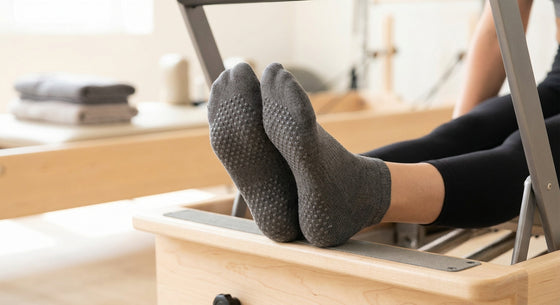
Grip socks are built to improve traction inside your shoe, which can help you cut, stop, jump, and change direction with more control. They are not a magic fix for footwork, but they can reduce in-shoe slippage that costs energy and timing during fast play.
This guide explains what separates a high-quality grip sock from a “sticky sock” that falls apart after a few washes. It also covers smart places to shop, whether you are buying a single pair for training or outfitting an entire team.
Why grip socks matter for performance
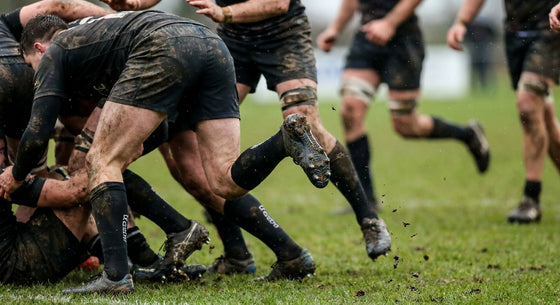
Most athletes think about shoe traction against the court or field, but your foot also moves against the insole during hard decelerations and rapid direction changes. That in-shoe movement can increase friction, create hotspots, and make your first step feel less stable.
Grip socks aim to reduce that internal slip so force transfers more efficiently from foot to shoe. In practical terms, that can mean cleaner cuts, more consistent takeoffs, and fewer mid-play micro-adjustments that drain energy.
where to get grip socks?
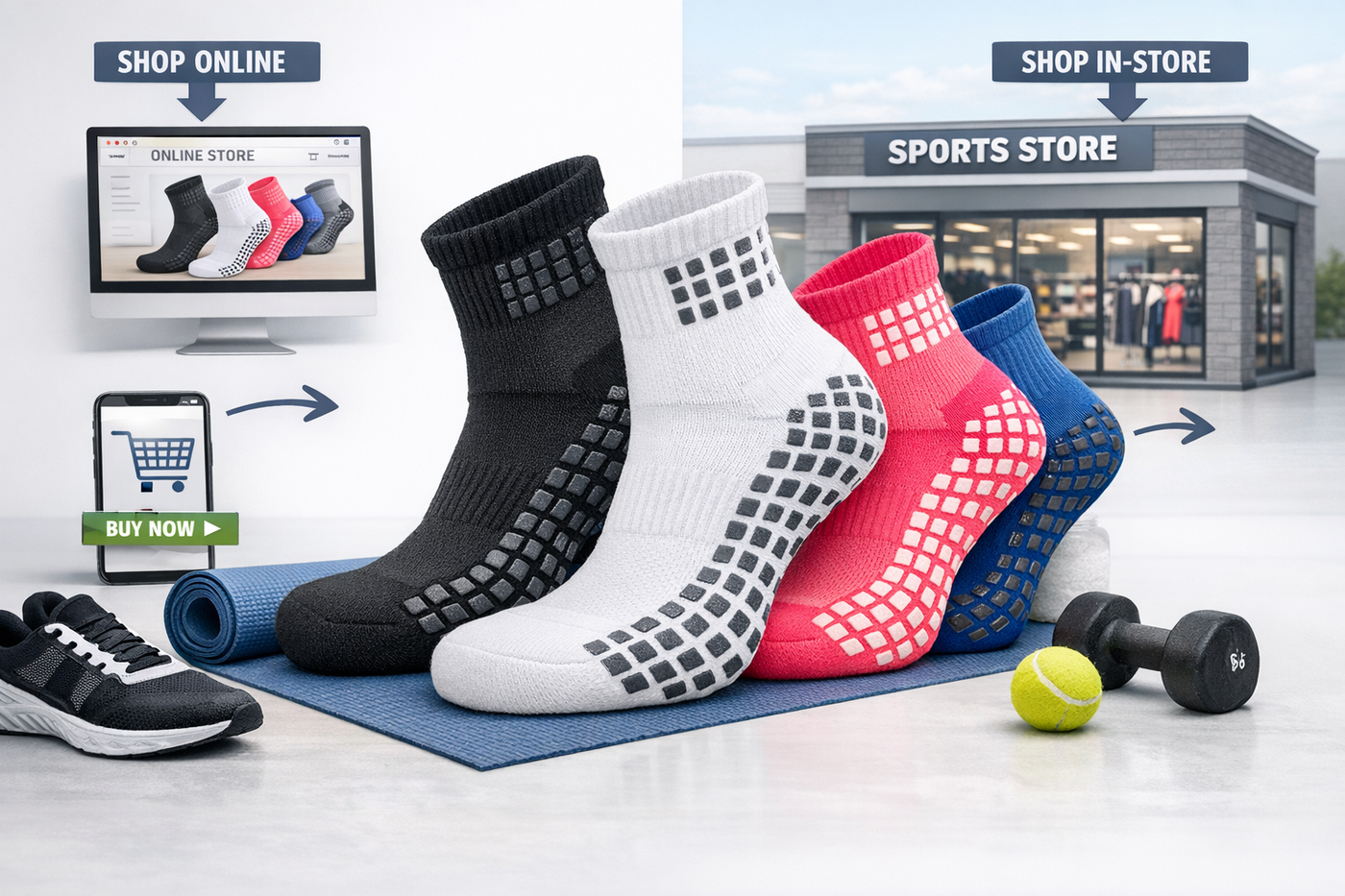
The “best” place depends on your priorities: immediate availability, sport-specific construction, consistent sizing, or team customization. Start by choosing a source type that matches your use-case, then evaluate products with the quality checklist in the next sections.
Specialist performance sock brands and teamwear suppliers
Specialist suppliers typically design around sport movement patterns, not just general gym use. You are more likely to find purposeful yarn blends, stable compression zones, and grip layouts that are tested for multi-directional play.
If you are outfitting a squad, these suppliers often support consistent color matching, size runs, and re-order availability. Some organizations explore options like Nextwave Socks when they need team-ready consistency without guessing on quality.
Sporting goods retailers
Retail stores are convenient if you want socks immediately or want to feel the material before committing. The tradeoff is that selection sometimes leans toward general fitness socks with minimal sport-specific fit features.
If you buy in-store, focus less on thickness and more on structure: heel shape, arch hold, and cuff stability. Try them with your actual sport shoe if possible to check for bunching or pressure points.
Online marketplaces
Marketplaces can be fast and inexpensive, but quality is inconsistent. Two pairs that look identical in photos can perform very differently once you factor in knit density, sizing accuracy, and how the grip holds up after washing.
If you buy from a marketplace, treat reviews as a starting point and prioritize listings that clearly state materials, sizing ranges, and care instructions. Also look for close-up images of the grip elements and stitching around the heel pocket.
What “quality” looks like in a grip sock
A common mistake is judging grip socks only by how sticky they feel in your hand. Performance comes from a combination of grip placement, fit stability, moisture management, and durability under repeated training loads.
Grip layout and coverage
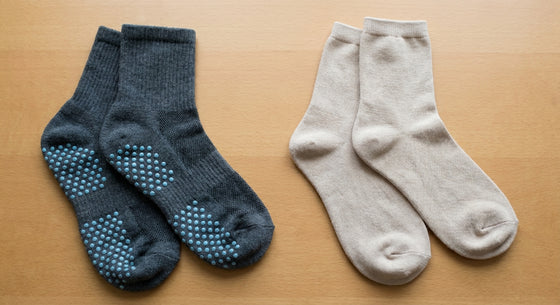
Look for grip coverage in the forefoot and heel, since those zones handle much of the braking and push-off work. A well-designed pattern supports movement without feeling like your foot is glued in place.
- Forefoot grip supports quick cuts and accelerations.
- Heel grip helps reduce sliding during stops and landings.
- Pattern density should feel secure without creating pressure points.
Material performance and breathability
Moisture management matters because sweat increases friction and can soften skin, raising blister risk. Quality grip socks often use moisture-wicking yarns and breathable knit zones to keep temperature and humidity under control.
Look for a knit that balances stretch with structure. Overly stretchy fabric may feel comfortable at first but can lose shape mid-session, which undermines both comfort and control.
Fit and stability: the “hidden” performance features
Fit issues cause more problems than grip issues. A sock that bunches, twists, or slides at the arch can create hotspots even if the grip pads are excellent.
- Secure arch band for midfoot stability without cutting off circulation.
- Shaped heel pocket so the sock seats properly and does not rotate.
- Cuff that stays put to prevent slippage and distractions during play.
Durability and washability
Grip needs to last through training volume, not just one great first session. If grip elements flake, peel, or become slick after laundering, performance drops quickly and the sock becomes a false economy.
Before buying, check care instructions and consider how your team actually does laundry. A sock that only performs with delicate handling may not survive a real season of practices, travel, and shared wash routines.
Sport-specific support
Different sports place different demands on the foot. Court athletes often benefit from targeted cushioning and strong lateral support, while field athletes may prioritize lighter weight and breathability in a tighter boot.
Use sport context to guide your choice in cushioning zones, compression feel, and ventilation placement. The goal is a stable interface without sacrificing shoe feel and responsiveness.
Team buying: customization changes the checklist
Outfitting a team is less about finding a single “best pair” and more about building consistency across a roster. You want every athlete to get the same fit, the same grip behavior, and a kit that can be replenished mid-season.
What to confirm with a team supplier
Ask practical questions early so you do not end up with mismatched replacements later. A reliable supplier should be clear about timelines, size availability, and how customization affects performance.
- Minimum order quantities and how pricing changes by volume.
- Sizing runs so your smallest and largest athletes are covered.
- Lead times for initial orders and for re-orders.
- Re-order availability to match the original kit later.
- Logo placement and numbering that does not compromise stretch or breathability.
Knit-in versus printed decoration
Decoration methods can affect stretch, ventilation, and long-term wear. Knit-in elements typically move with the fabric, while some printed applications can reduce breathability or feel stiffer in high-flex areas.
Ask where decoration will be placed and whether it changes the knit structure or adds layers. For performance socks, subtle design choices can matter more than people expect during long training blocks.
Common pitfalls to avoid
Very cheap grip socks often cut corners in yarn quality and recovery, so they may feel fine initially but lose shape quickly. Overly aggressive grip can also feel uncomfortable, especially if it creates “catch points” inside the shoe during rotation.
At the other end, thick “one-size” socks can overheat feet and reduce shoe feel, which matters for touch, timing, and agility. Aim for precise sizing and stable structure rather than maximum padding.
Key takeaway: The best grip sock is the one that matches your sport’s movement demands, fits precisely, and maintains grip and structure after many sessions.
A quick pre-purchase checklist
Use this list to make faster, more confident decisions when comparing options online or in-store. It keeps you focused on performance factors that show up in real training.
- Confirm the sport use-case (court vs. field vs. gym).
- Choose precise sizing and avoid vague “fits most.”
- Look for stable arch support and a shaped heel pocket.
- Check grip placement for forefoot and heel control.
- Review care instructions and the expected grip lifespan.
- For teams: verify customization, lead times, and a re-order plan.
Conclusion: buy for repeatable performance, not first-impression stickiness
Grip socks can support better control by reducing in-shoe slip, but only if the sock fits well, manages moisture, and holds up over time. Start with a reliable source, then judge socks by grip layout, material performance, and durability, not just how tacky they feel out of the package.
If you have found a feature that made the biggest difference for your sport, share it with your teammates or compare notes with your training group. To explore team and athlete options, visit where to get grip socks?.
Grip that’s scientifically proven.
Join 23,197+ athletes. Free worldwide shipping, up to 44% off the latest drop.
Shop grip socks →